

Get Lost! And Find Yourself…
January 26, 2026 | Topics: Stories
If you’re bored or too predictable, do what your older sister or brother once told you—Get lost.
By Philip Chard
With an introduction and photographs by Eddee Daniel
Introduction
I’ve been enjoying Philip Chard’s column, Out of My Mind, for a long time. We are like-minded in our attraction to the natural world. As soon as I read this story about getting lost, I knew I wanted to share it with my readers—and, as you’ve come to expect, to add some photographs of places that you can visit to go along with it. As he says in his story, finding places to literally get lost in our region can be challenging.
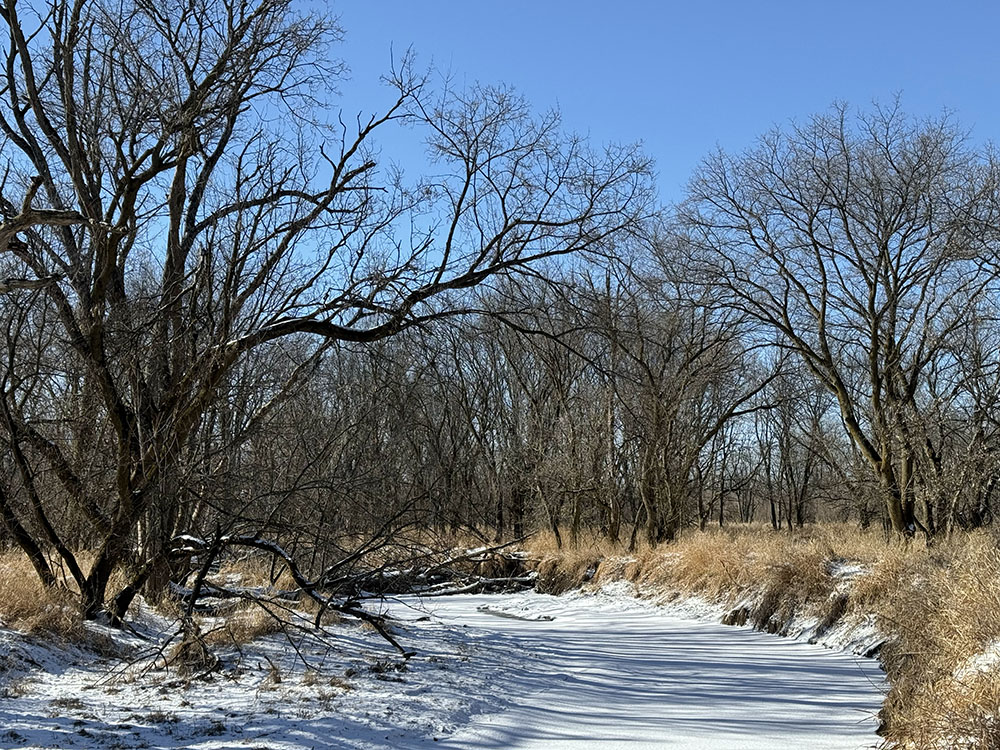
I have often extolled the virtues of imagining myself in a wilderness, but what Chard is suggesting takes the idea to another level. The size of a natural area matters. But size alone will not necessarily provide an opportunity to get lost since so many of our parks are thoroughly threaded with deliberately easy-to-follow trails. The trick is to find places, such as state natural areas or wildlife areas, that are less developed. And then, to go off trail for a while. (Since some of these places involve wetlands, now—when everything is frozen—is actually a good time to do this! See “How to have fun safely on the ice.”)
This is not an activity for the faint-hearted. Remember to be safe whenever you wander in even a small wilderness! Knowing how to find your way back from being lost is part of the process. (I would recommend carrying a compass, but the GPS in your phone is likely an even better tool for the purpose!)
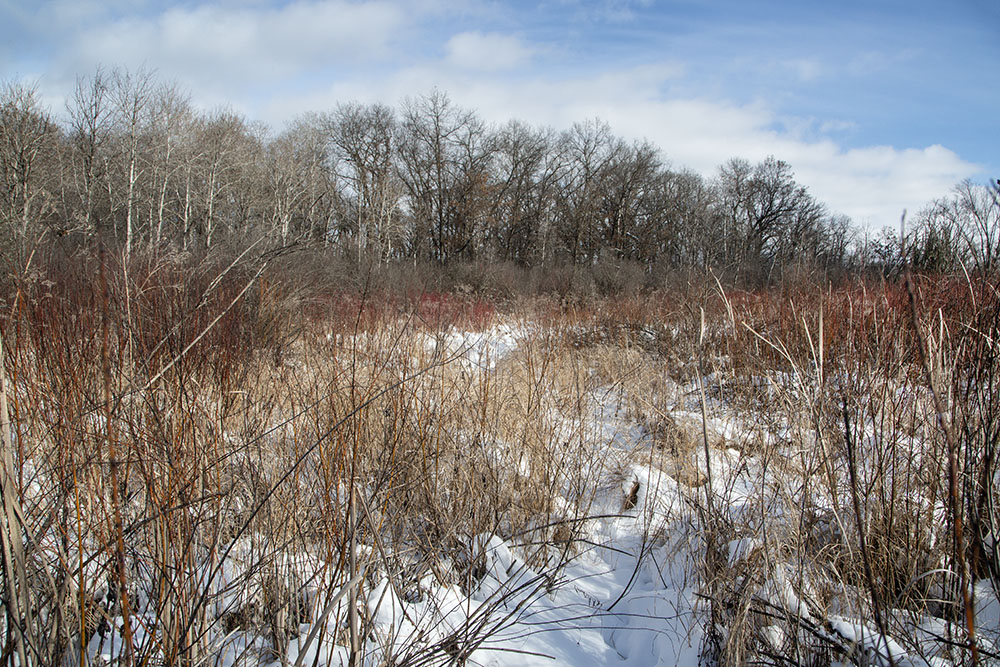
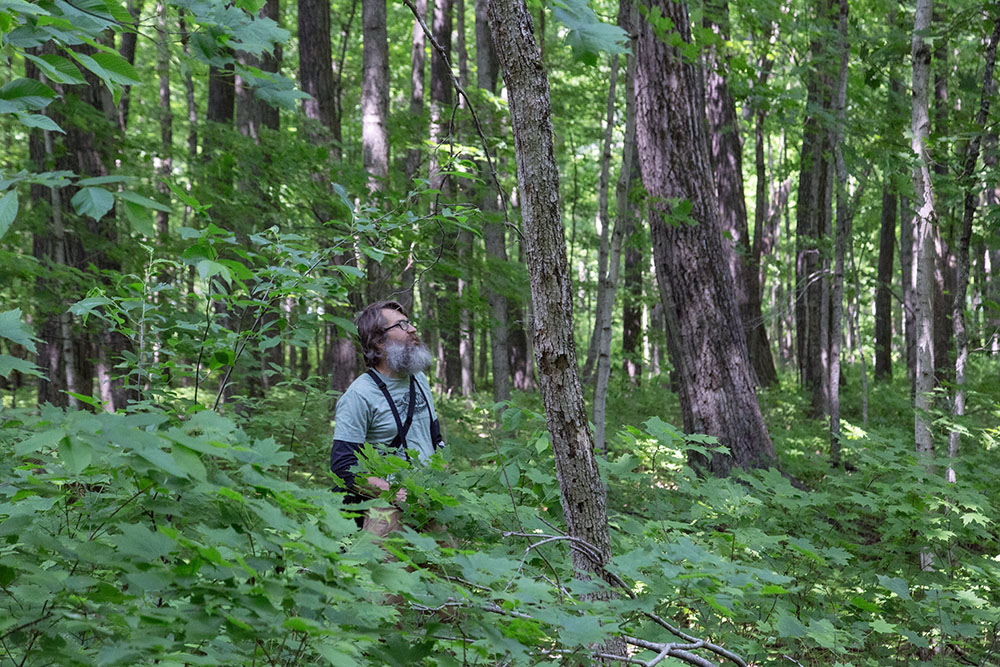
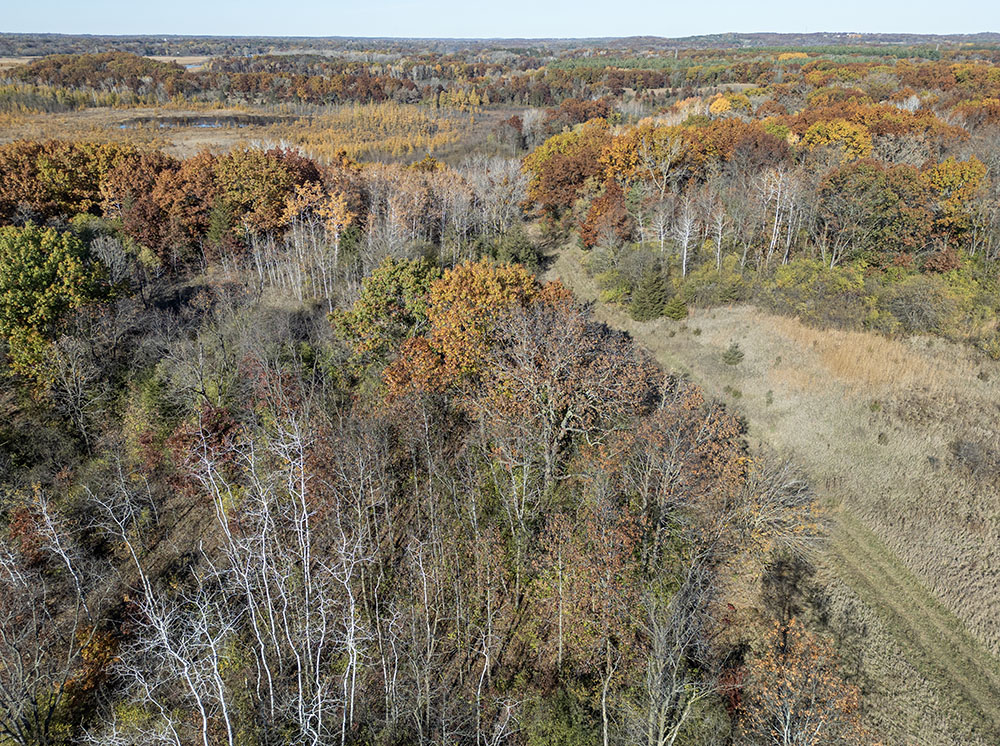
Links in the captions will take you to our Find-a-Park pages for each place. In some cases I have written my own stories about the experiences of exploring them, which are also linked.
~ Eddee
Get Lost!
By Philip Chard
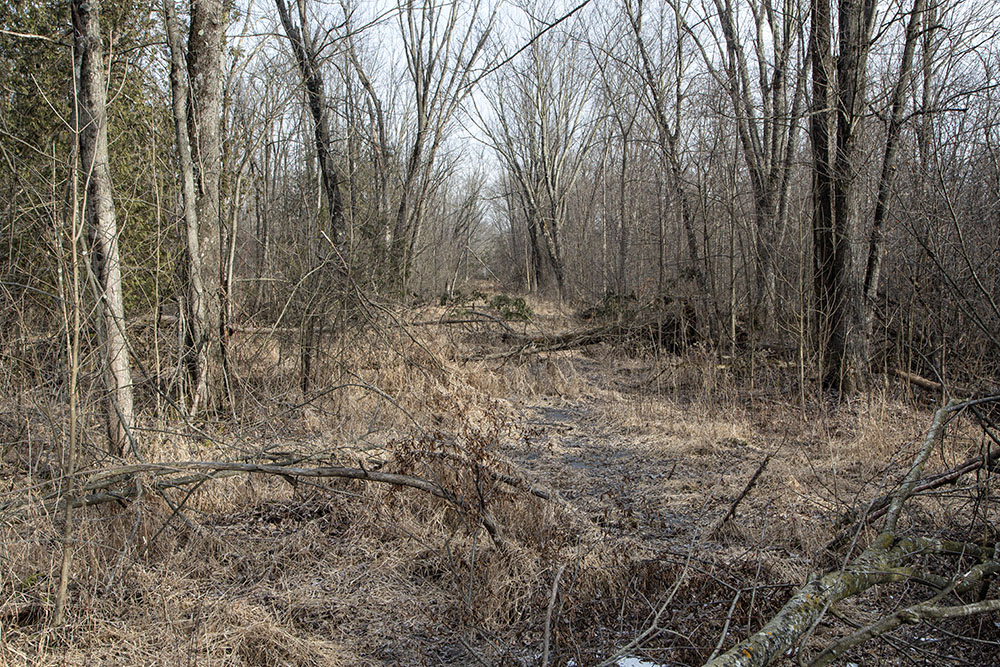
Near as I could figure, it had been an hour since I’d known my location. I was hiking off trail, and the floor of the forest was crackling dry, so there was no retracing my steps, and the dense overcast prevented any solar fix on my heading. I followed a deer trail for a time, but it ended abruptly at the edge of a cedar bog.
I leaned against a white pine and smiled to myself.
“I’ve done it,” I thought. “I have no idea where I am.”
My affinity for getting lost is a reaction against being found so much of the time. Phone calls, texts, emails, location apps, GPS; they all seem to know where I am.
While there may be those who argue I am lost in a spiritual sense, in most other respects I am intensely found. So, when my foundation becomes too secure, I get lost.
Find Yourself?
Strange as it may sound, a good place to get lost is hard to find. Our ancestors could just stagger out of the cave or hogan, wander off in any direction and, with a little carelessness, become swallowed up by the wilderness.
In fact, many of them viewed aimless treks in the wild as a way to find themselves in a metaphysical sense. Many prophets embraced getting lost geographically as a prerequisite for being found spiritually.
While some may find disorientation in a shopping mall a mystical experience, I prefer lonely locations such as forests, marshes, mountains, large bodies of water, huge fields of high corn, and back road mazes far from major highways. Obviously, getting lost in certain locales, such as the wilderness, is not without risks, so anyone doing so needs to respect their limits in this regard.
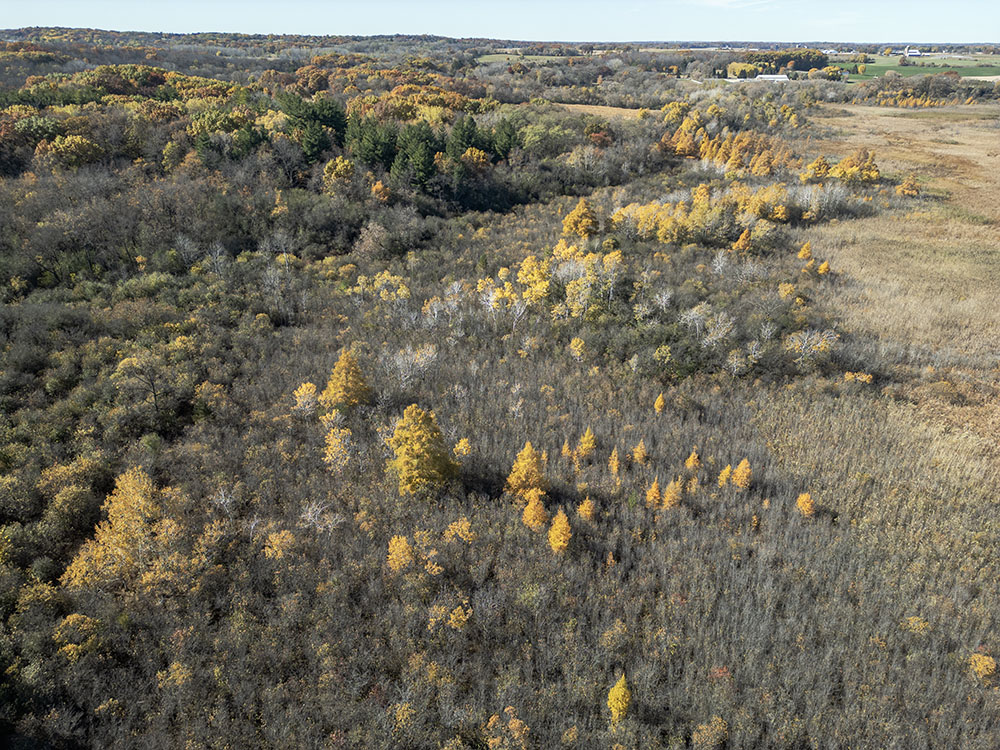
Becoming spatially disoriented in the Midwest can be challenging, but with considerable effort I’ve managed to do so in Kettle Moraine Forest, the Sylvania Wilderness, some large parks along the Mississippi River and, when the fog has been thick enough, while sailing Lake Michigan. When I was a resident of Michigan’s Upper Peninsula, getting lost was easy. Becoming found again was tougher.
Temporary Disappearance
The first time I became truly lost was in a thick-as-mud forest in northern Minnesota. It was the sort of topography where you could meander for days, or until a hunter might come across your corpse, so I found the experience unnerving. On that occasion, I swallowed hard on my panic and let my intuition lead the way. Obviously, it did.
When I do manage to get lost on purpose, I linger peacefully in the safety of temporary disappearance, happy to be beyond the reach of the human world with its insistence that we always be findable. One of the great pleasures of this approach is discovery, happening upon new places, having little adventures, awakening old senses that have grown numb in the din of modern mayhem.
For instance, I’ve noticed that when I’m lost in the woods, animals come closer. They seem less intimidated by a befuddled person. This has granted me some close encounters with all sorts of creatures, including owls, deer, black bear, coyotes, snakes and small varmints.
However, you don’t have to plunge into the wilderness to lose your way on our planet’s surface. Like almost everything else we Americans do, getting lost in a vehicle is an option. Just carve out a half-day or more, take off in any direction, show a preference for back roads and turn whichever way looks most confusing.
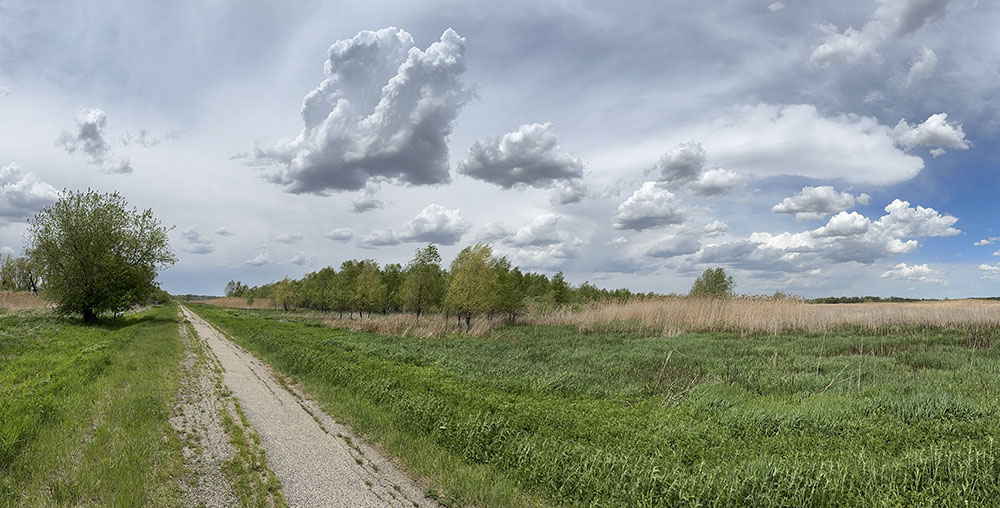
Stop when you find something interesting, such as a small-town restaurant, a park, a nature center, an old downtown, auction, local museum, flea market or a child’s lemonade stand. When you get lost, you temporarily lose your life as it is and find a piece of how it could be. That’s worth some disorientation.
So, if you’re bored, too predictable, too stable or too found, do what your older sister or brother once told you.
Get lost.
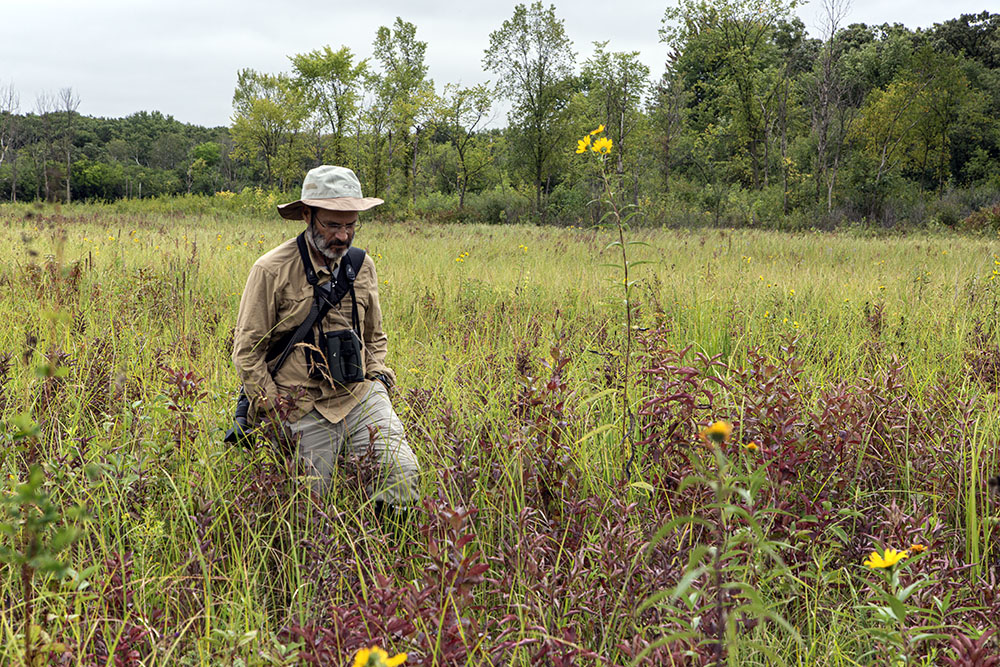
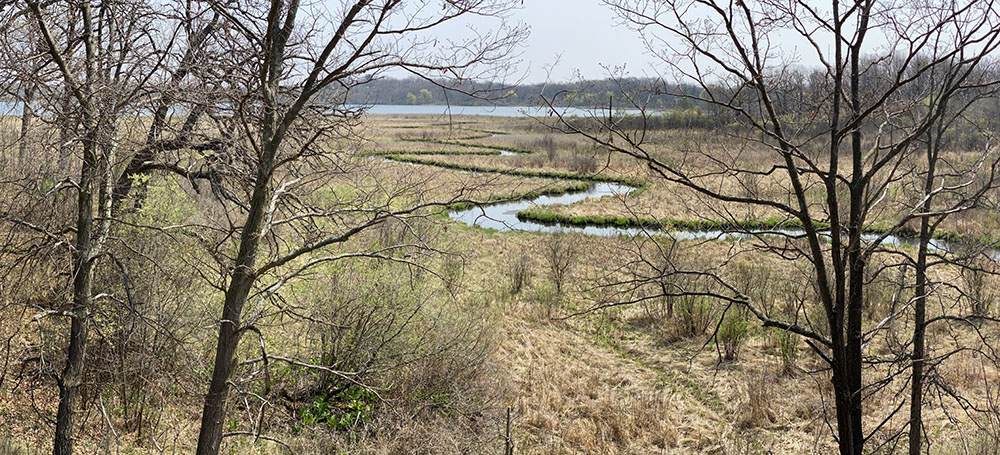
This story originally appeared in Philip Chard’s column, Out of My Mind, in the Shepherd Express on Nov. 19, 2025. It is reprinted here with permission. The banner image at the top is from Lulu Lake State Natural Area.
Related stories:
Jackson Marsh Wildlife Area: Degrees of Wilderness … and Solitude
Honey Creek Wildlife Area: A Winter Wilderness Revealed
Where is Milwaukee’s Remotest Point?
Island of Nature: Exploring a Blank Spot on the Map of Milwaukee
A Walk in the Wilderness of Cedarburg Bog!
Philip Chard is a psychotherapist, author and trainer. For more, visit philipchard.com. Eddee Daniel, writer/photographer, is a board member of Preserve Our Parks, the Project Director of A Wealth of Nature, and editor of The Natural Realm blog.
The Natural Realm blog is part of A Wealth of Nature, which is a project of Preserve Our Parks.
About Preserve Our Parks
Preserve Our Parks, Inc. is an independent nonprofit organization dedicated to the preservation of parks and green spaces. Our mission: To advocate for and promote Milwaukee area parks and open spaces and to strive to protect the tenets of Wisconsin’s Public Trust Doctrine.
For more than 25 years, we have been a leader in advocating for the protection of Milwaukee County park lands, halting many proposals to develop, privatize, or sell local parkland and lakefront spaces. More information about POP, including past accomplishments, is available at www.preserveourparks.org.
3 thoughts on "Get Lost! And Find Yourself…"
Comments are closed.
Thanks for reposting this one – I’m a fan of Philip Chard’s column and remember how this one spurred memories of the deeply liberating feeling that swept over me when I was (somewhat deliberately) lost in the woods in the Chequamegon-Nicolet National Forest after my divorce. In this time of chaos, fear and uncertainty here in my home town of Mpls, it’s good to be reminded that I still need to get lost.
Wonderful story! I need to find some place to get lost in. All of my hiking trails are feeling a little too familiar these days.
If you want to try getting lost & unlost, try orienteering. The Badger Orienting Club hosts meets in SE Wisc. https://badgerorienteering.com/