

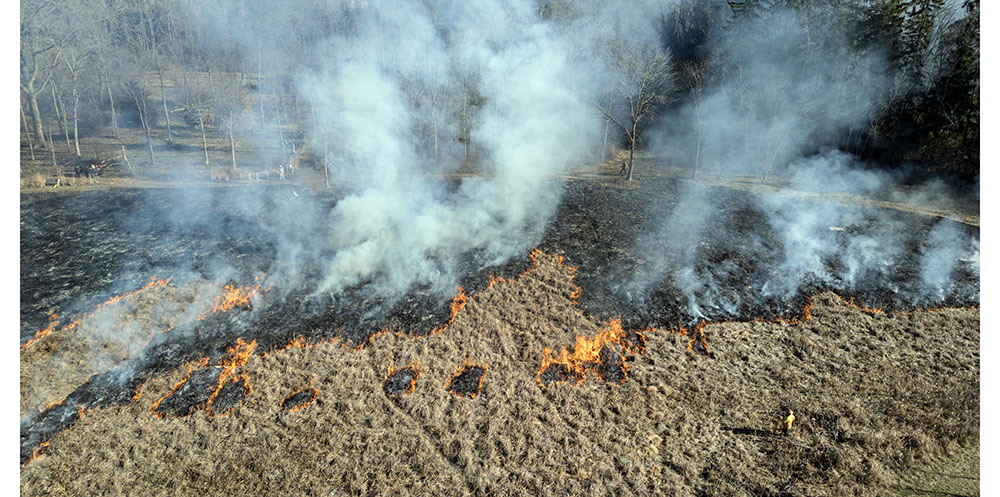
Prairie burning at Schlitz Audubon Nature Center: Good for ecology and education!
October 21, 2026 | Topics: Places, Stories
By Schlitz Audubon Nature Center staff
With an introduction and photography by Eddee Daniel
Introduction
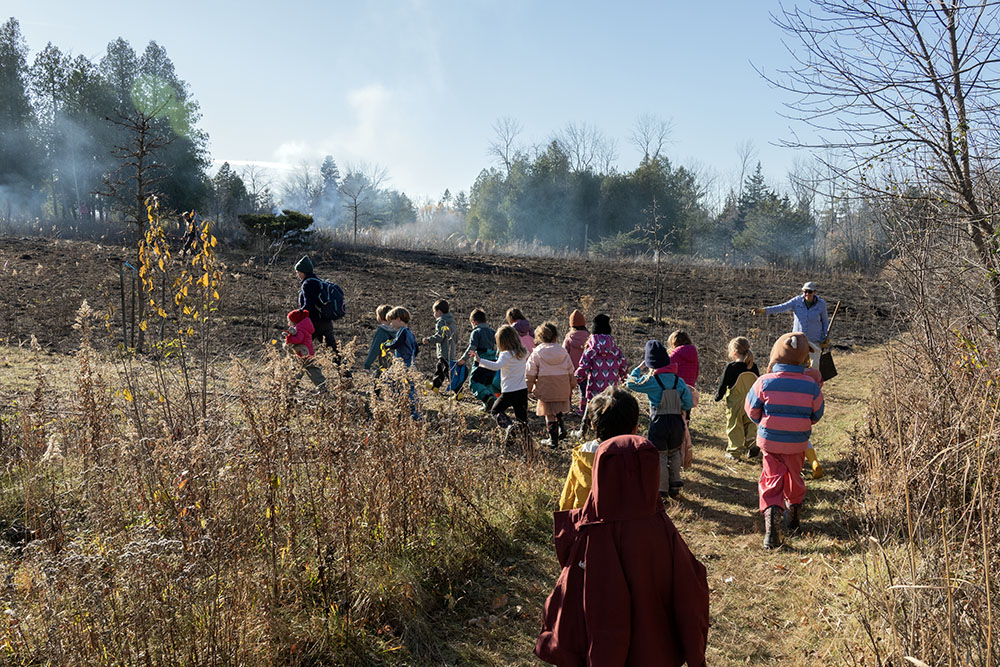
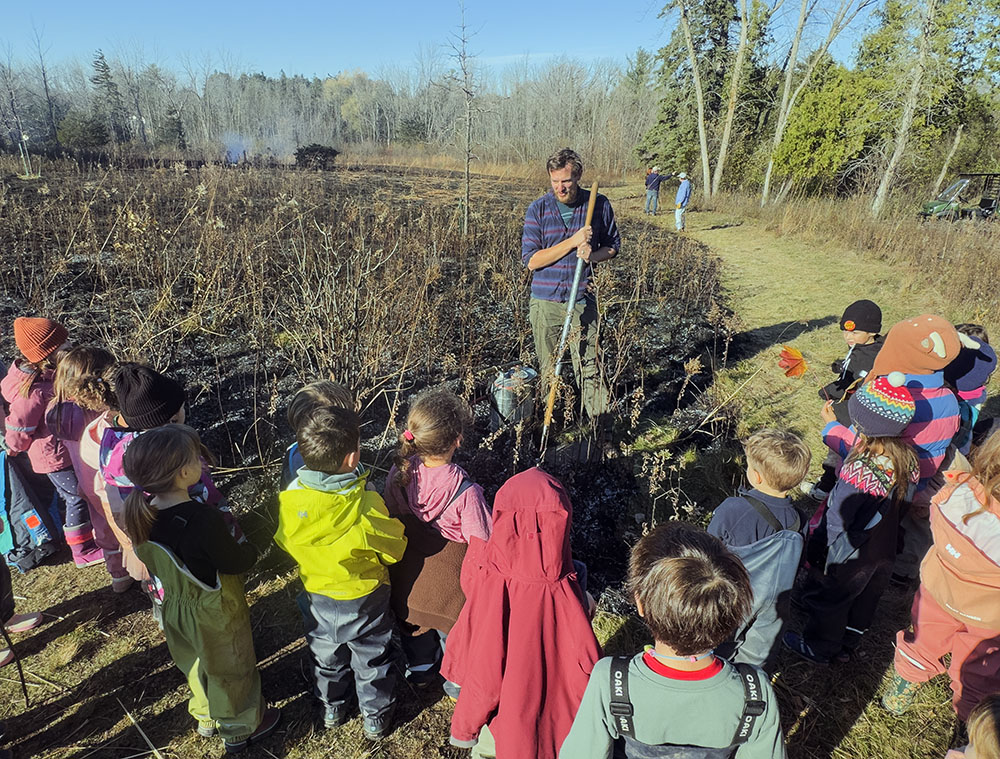
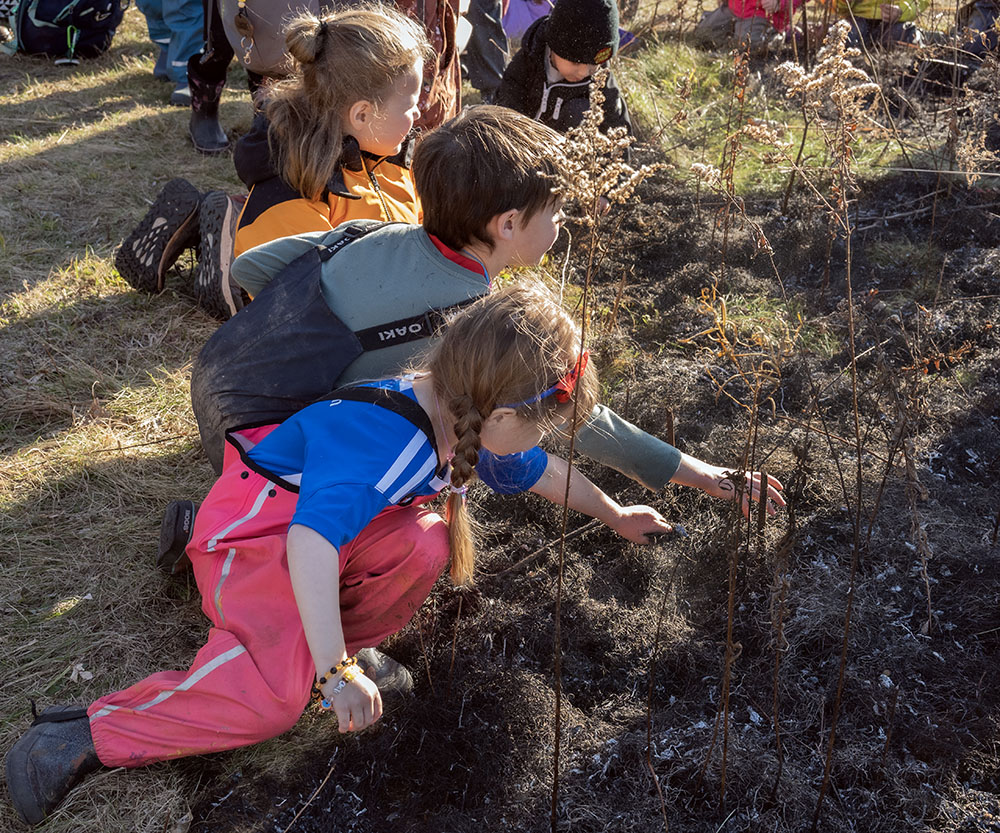
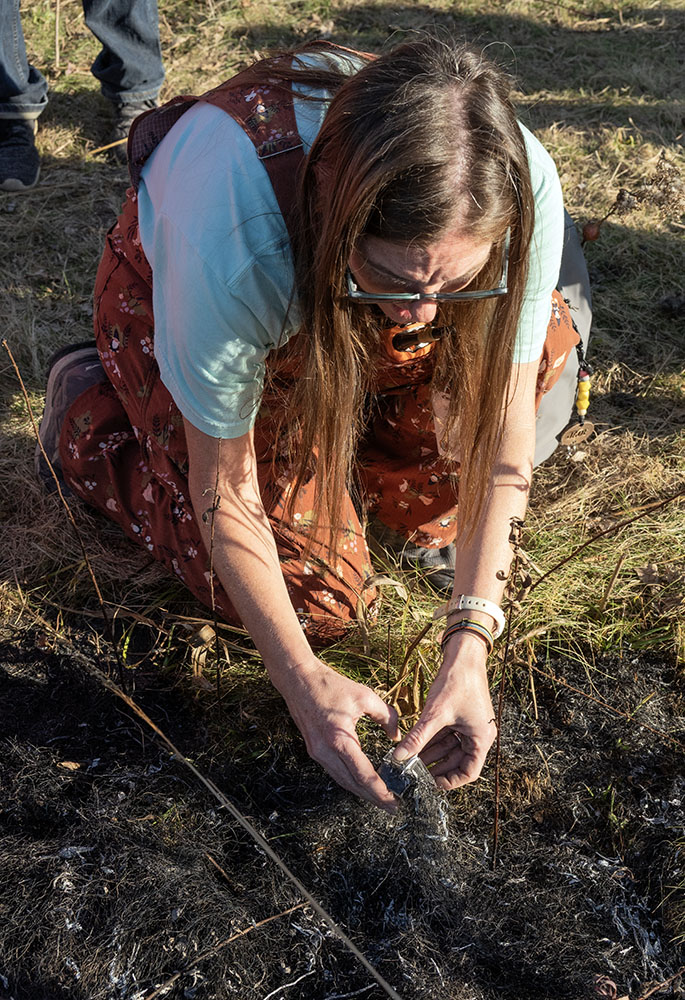
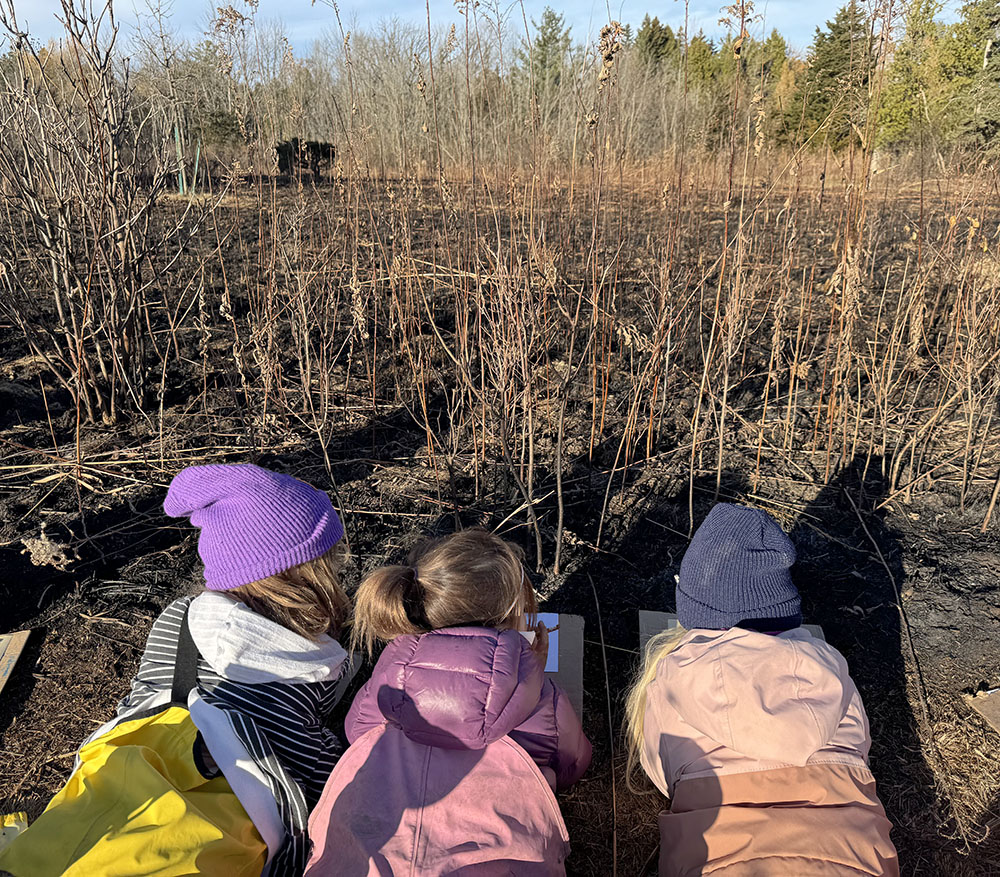
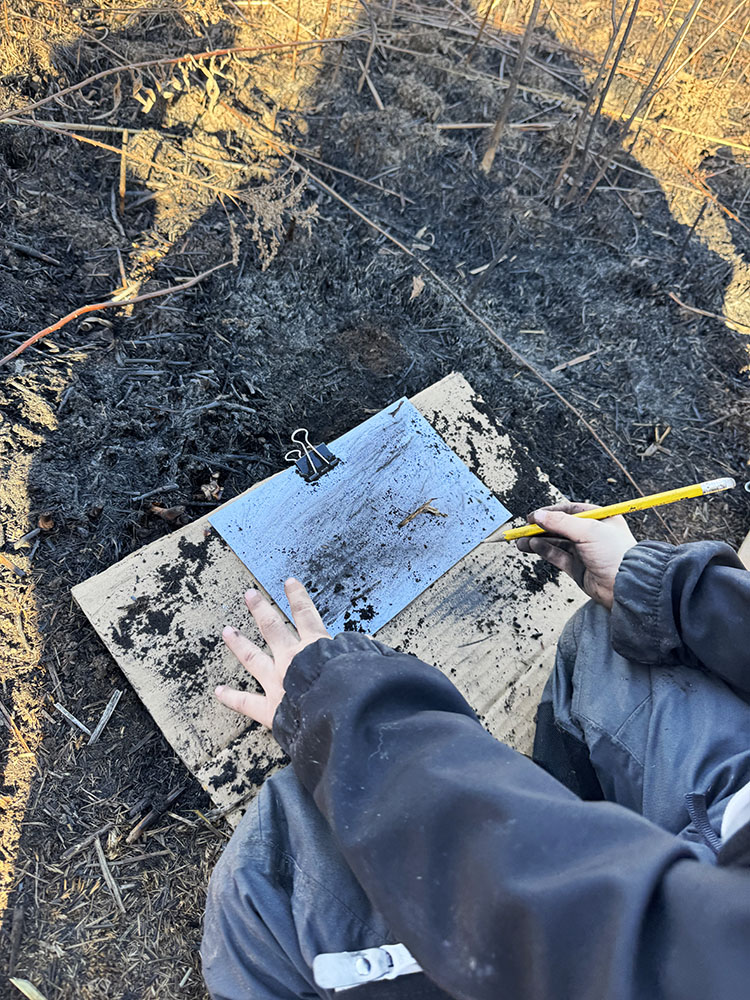
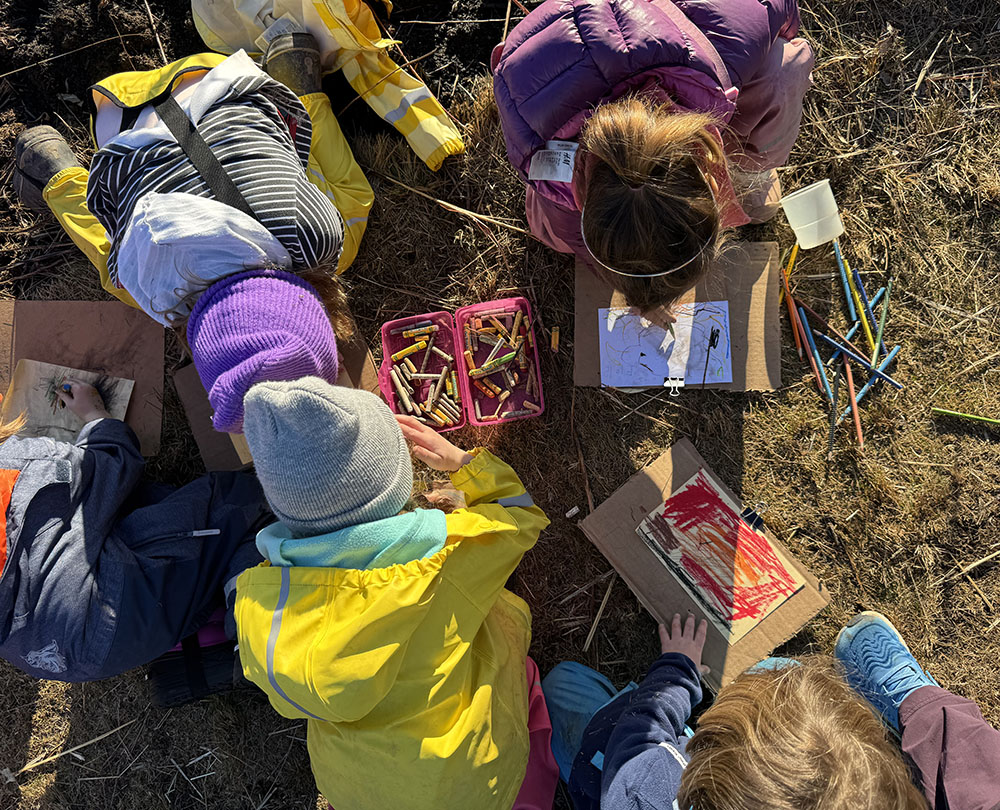
Regular followers of this blog know that I enjoy photographing controlled burns. In many ways, this one was similar to most of the others. However, for one particular reason this one was quite unusual and special. That reason is the involvement of the children who attend the Schlitz Audubon Nature Center’s preschool. Having seen so many burns I know very well how safe they are. Still I was amazed and delighted when, after the blaze was securely tamped down, a whole line of youngsters filed onto the field along the edge of the burn break, shepherded by their teachers. I watched as they collected ash and bits of charred wood to use back in the classroom to create artworks. The art teacher in me was especially thrilled! This was one of the best hands-on lessons in environmental stewardship that I have witnessed. Be sure to scroll all the way through the photos to see the kids in action. ~ Eddee
The Prairie Burn: Good for ecology and education!
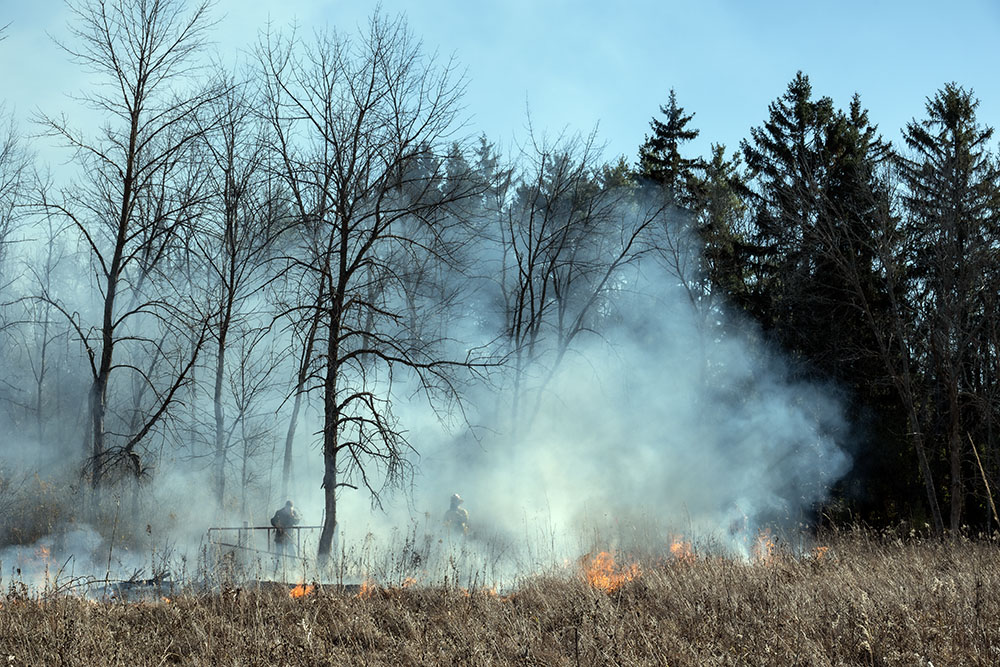
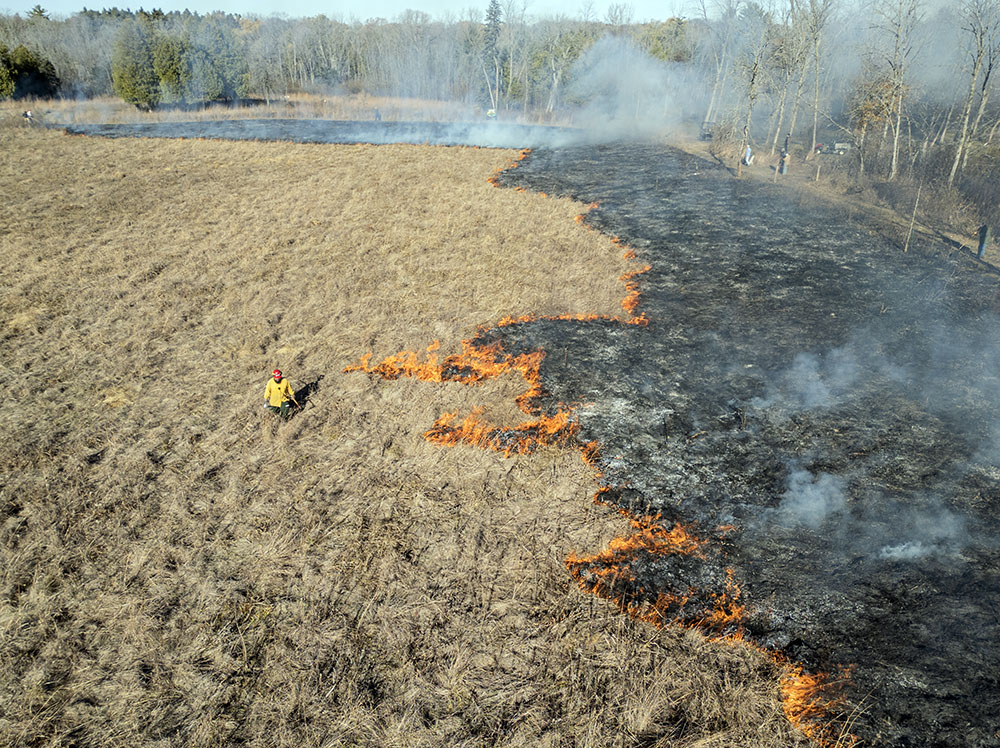
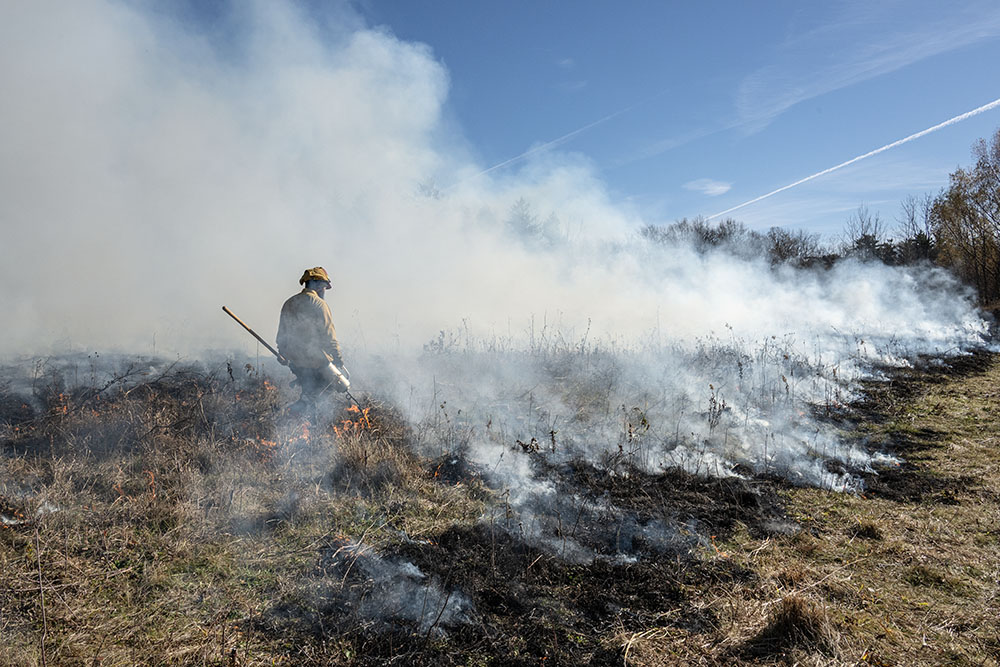
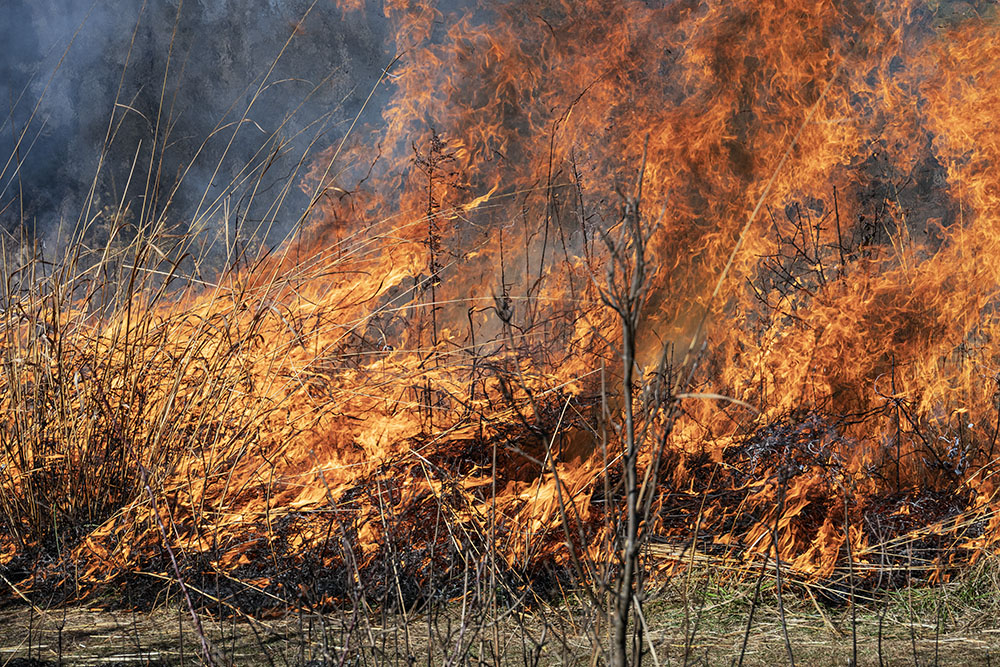
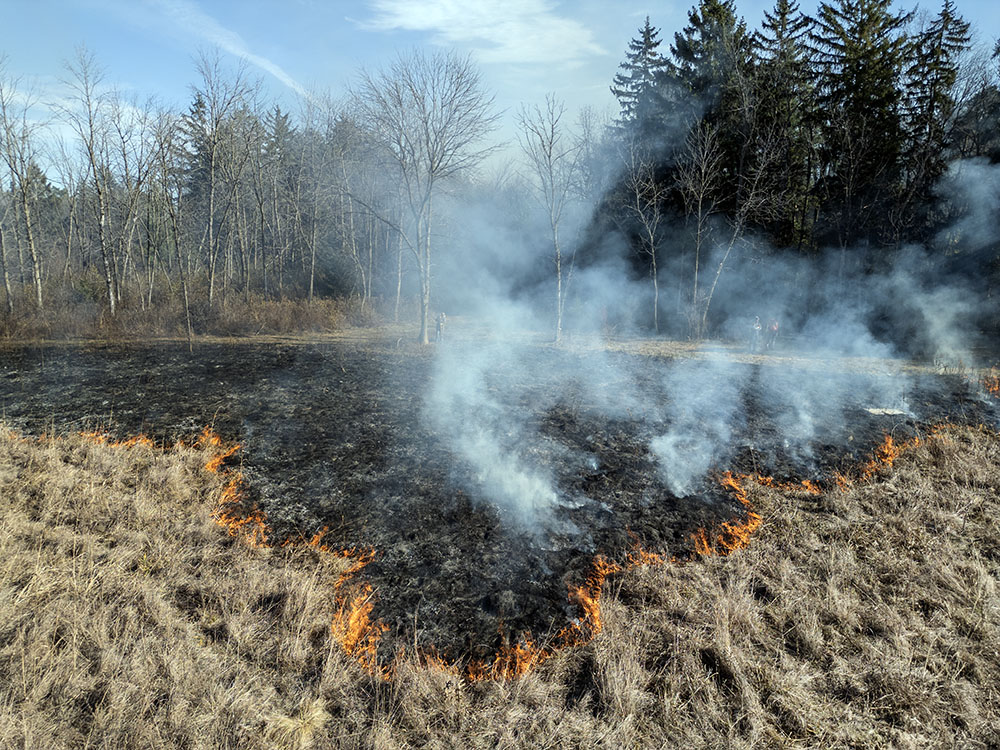
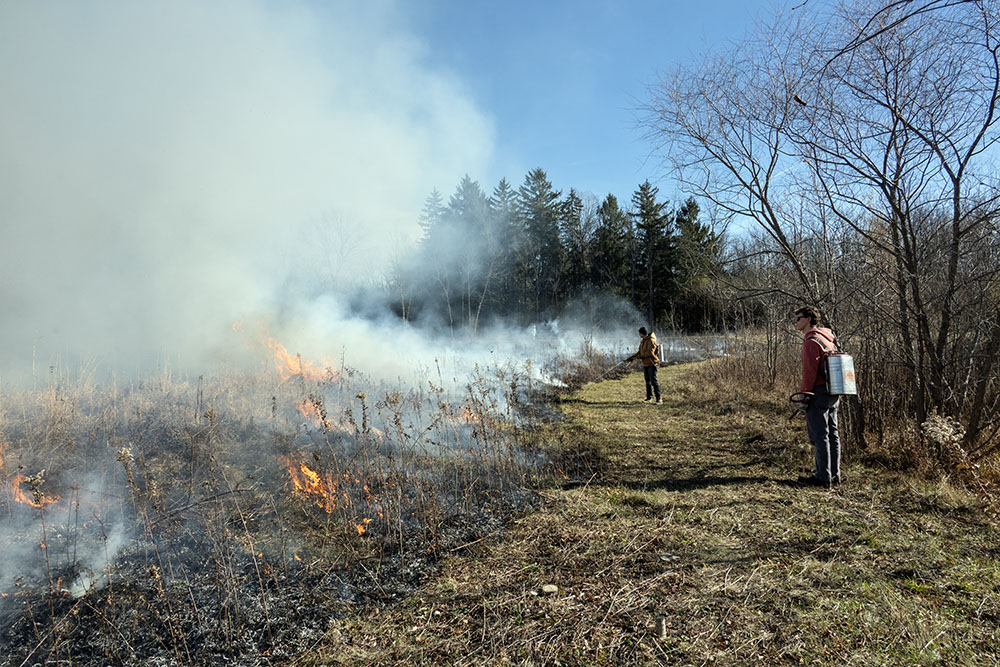
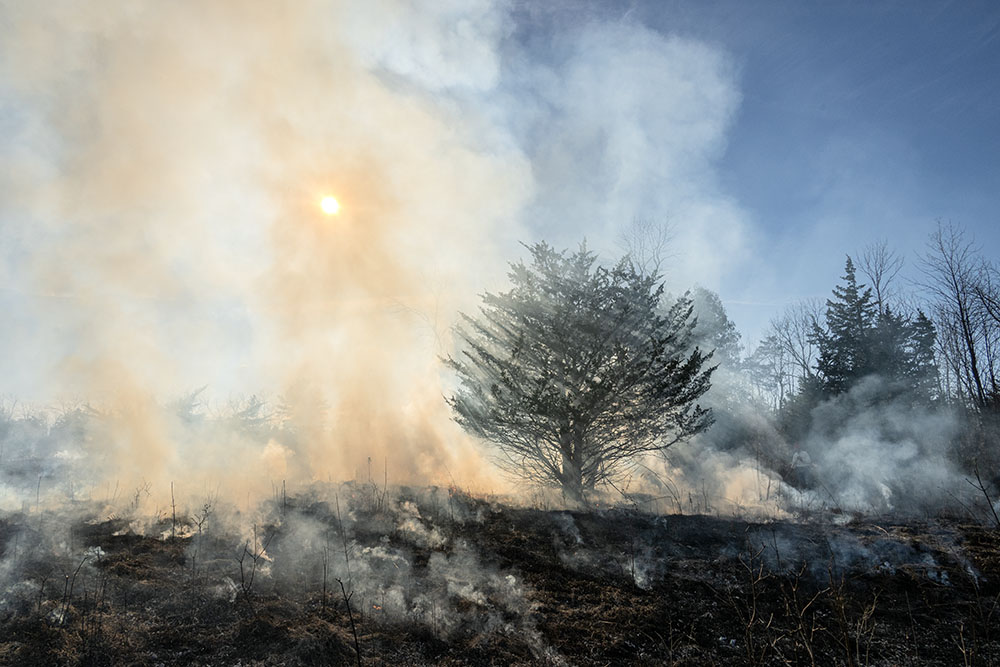
Controlled prairie burns are an important part of stewardship at Schlitz Audubon Nature Center! The Conservation and Land Management Team leads controlled prairie burns in spring and fall, with help from their dedicated Land Stewardship Volunteers. This particular burn took place in November of 2025 and covered about three acres along their West Meadows trail.
Regular prescribed burns, about every two to three years, keep prairies healthy and help prevent dangerous uncontrolled, unplanned fires. Burning in the fall helps forbs such as wildflowers flourish in the spring and summer, as it makes it easier for seeds to reach the soil. It also helps maintain the prairie ecosystem by suppressing woody shrubs, including many aggressive invasive plants.
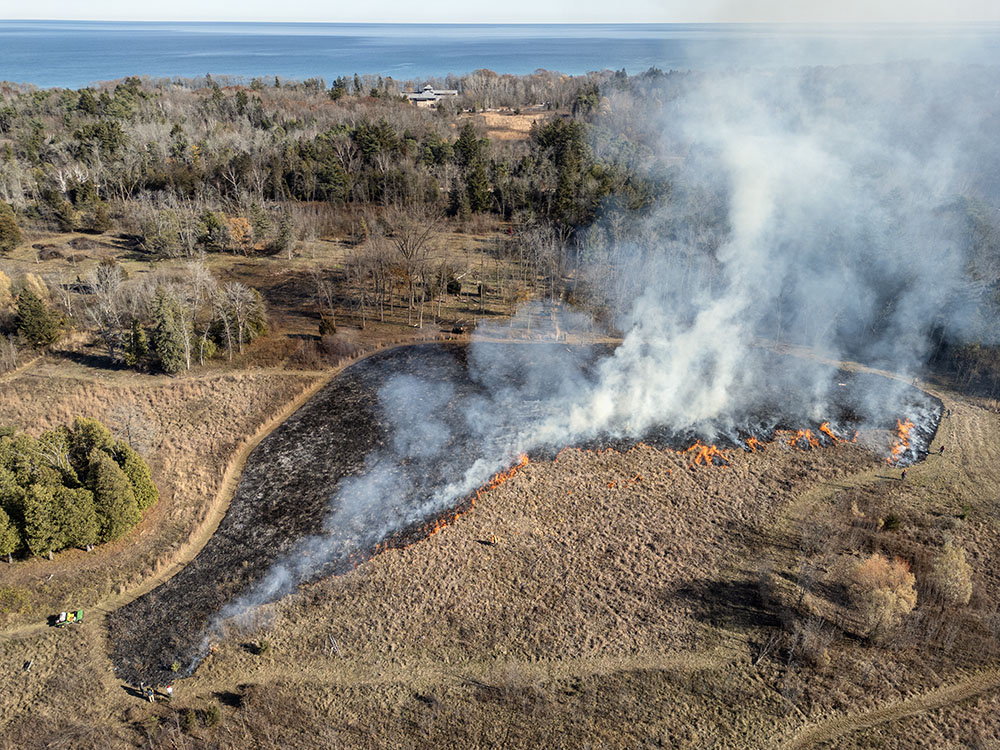
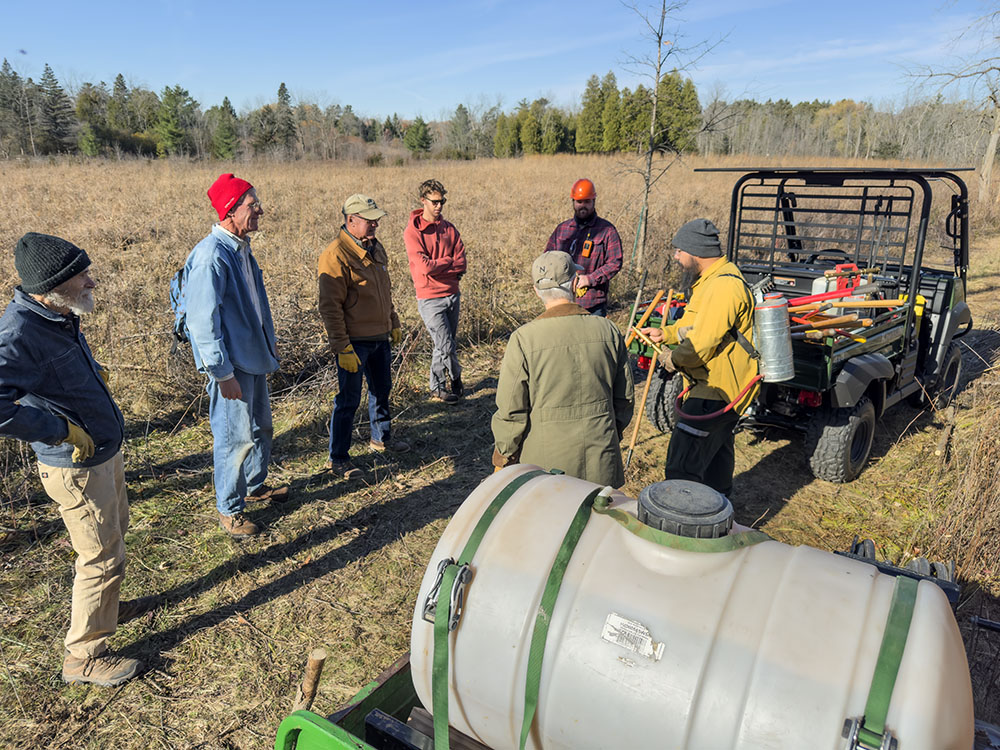
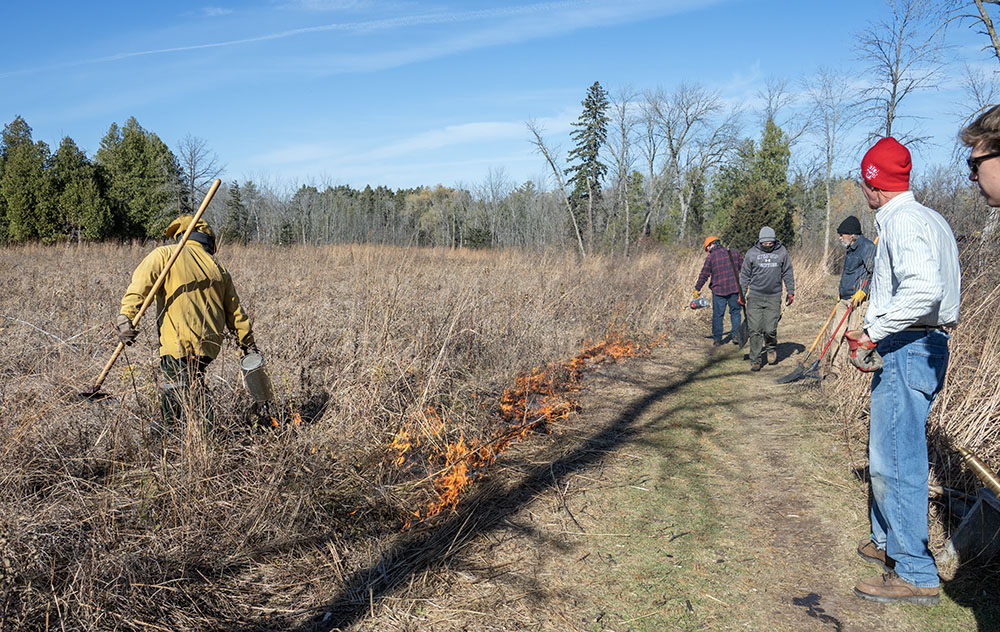
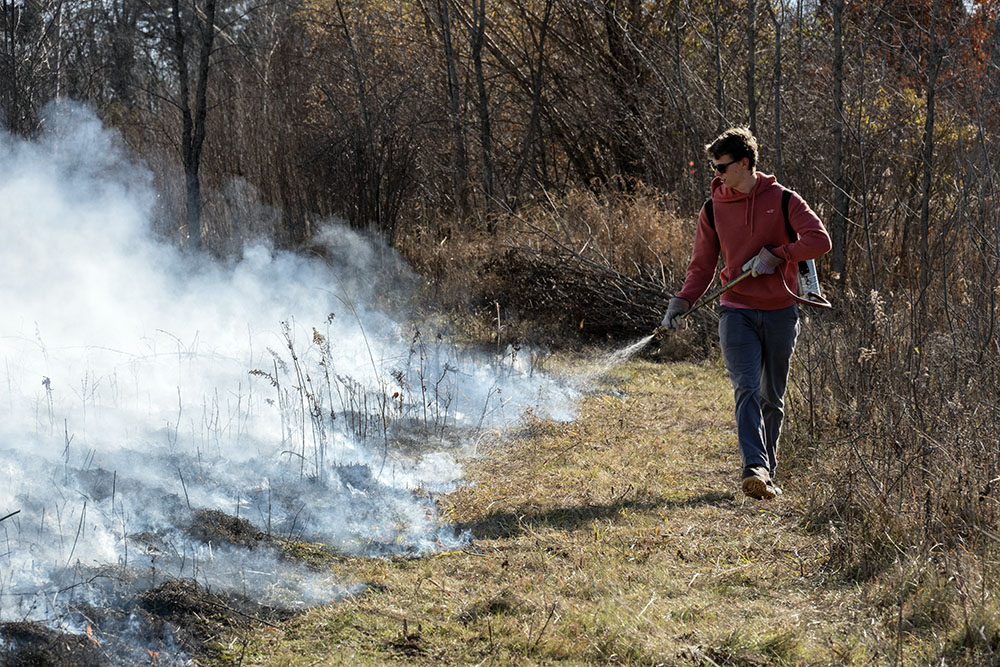
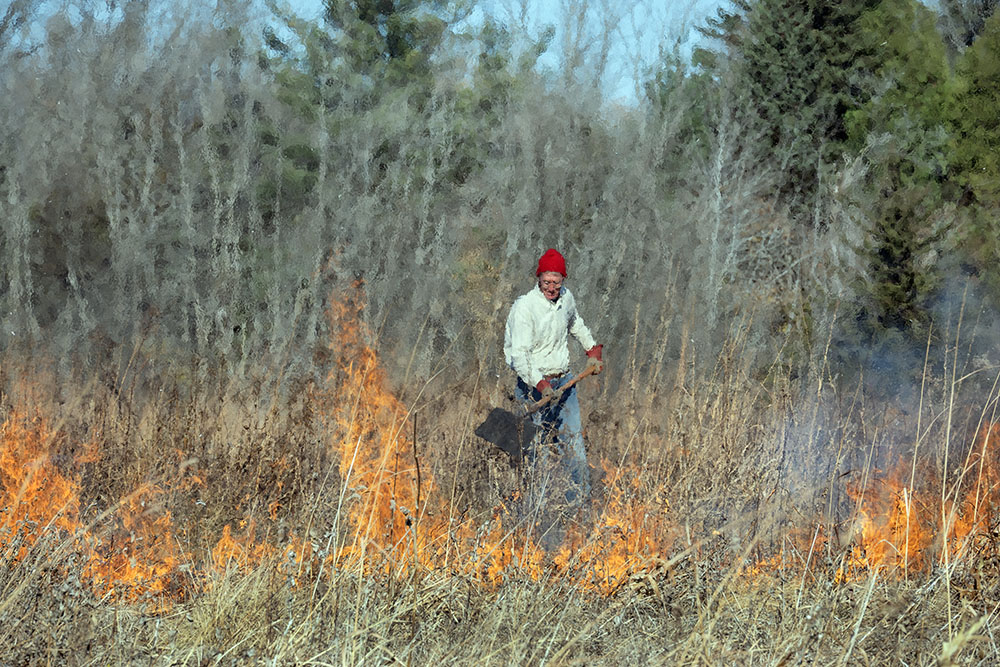
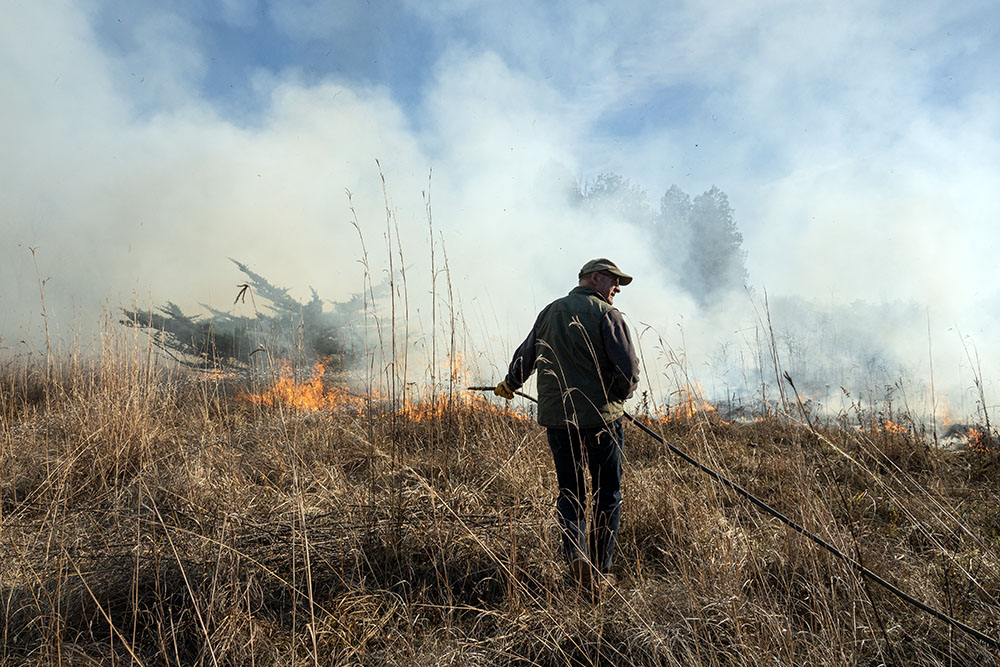
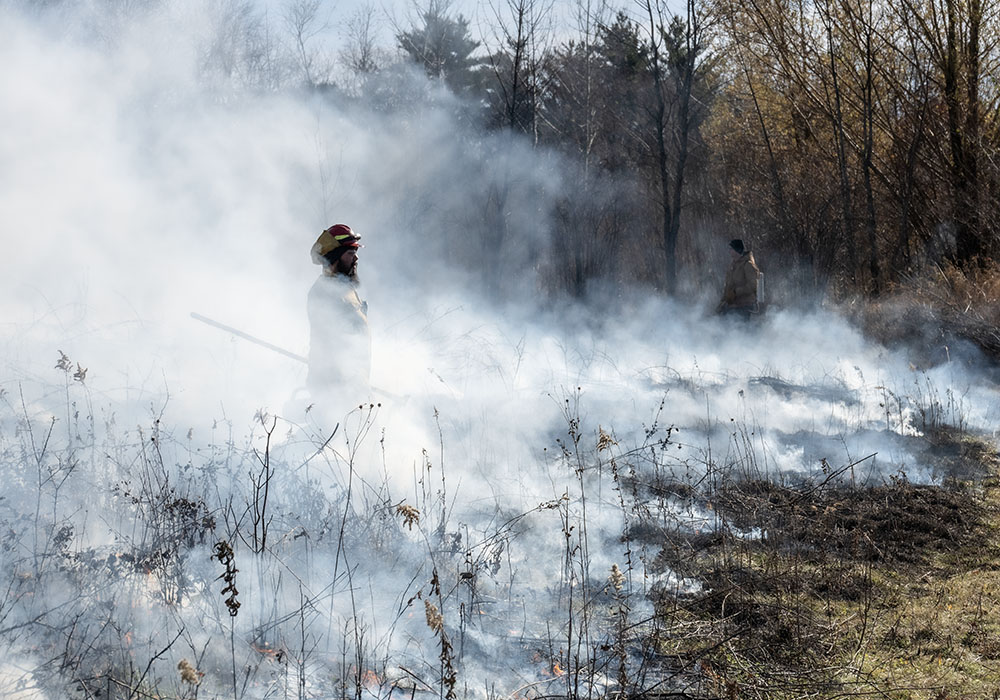
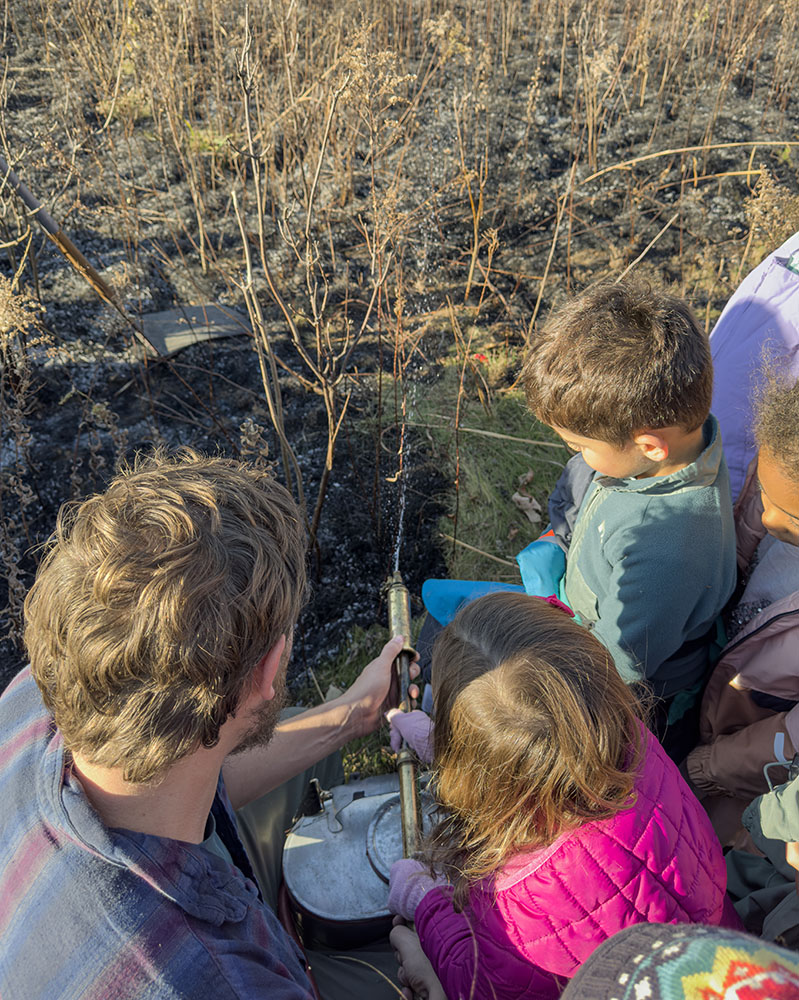
The entire team of staff and volunteers play a role in ensuring all goes smoothly and safely. The expert Conservation Staff checks the weather regularly leading up to the scheduled burn day as well as the day of, ensuring humidity, temperature, and wind conditions are just right. They also create fire breaks which serve as boundaries, ensuring the flames stay contained. Trained volunteers help with additional safety measures as the burn is underway. They spray water and use a fire swat or flapper to control the fire along the boundaries and to protect trees.
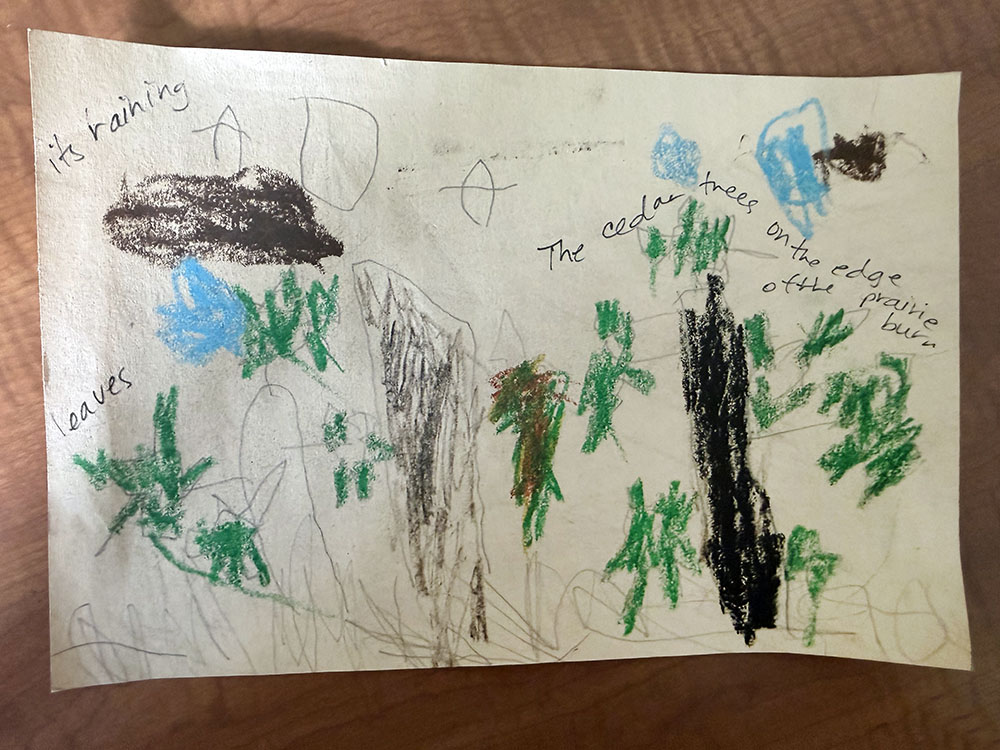
Controlled burns are also an excellent educational opportunity for all ages to learn the value of burning for ecological and habitat maintenance. For example, classes from the Center’s Nature School watch the burn from a safe distance, ask questions, and share observations about what they’re experiencing. They even return afterwards to draw the transformed landscape using the charcoal and ash left behind. For two decades the Nature School has been a local leader in early childhood nature education. The school includes an enhanced K4 program, a true pre-kindergarten class.
View the images below to experience this spectacle of conservation in action!
For more information about Schlitz Audubon Nature Center go to our Find-a-Park page.
Related stories:
To burn or not to burn: Three prescribed burns in three days!
Under Control: Burning Lakeshore State Park!
A controlled burn at Forest Beach Migratory Preserve
Emphasizing the “Control” in Controlled Burn at Pringle Nature Center
Fellenz Woods Preserve: A controlled burn
An Earth Day Success Story: MMSD’s Greenseams® Program Rejuvenates a Restored Prairie
Several staff members of Schlitz Audubon Nature Center contributed to the writing of this story.
Eddee Daniel, writer/photographer, is a board member of Preserve Our Parks, the Program Director of A Wealth of Nature, editor of The Natural Realm blog—and a former art educator and member of Schlitz Audubon Nature Center.
The Natural Realm blog is part of A Wealth of Nature, which is a program of Preserve Our Parks. Schlitz Audubon Nature Center is a project partner of A Wealth of Nature.
About Preserve Our Parks
Preserve Our Parks, Inc. is an independent nonprofit organization dedicated to the preservation of parks and green spaces. Our mission: To advocate for and promote Milwaukee area parks and open spaces and to strive to protect the tenets of Wisconsin’s Public Trust Doctrine.
For more than 25 years, we have been a leader in advocating for the protection of Milwaukee County park lands, halting many proposals to develop, privatize, or sell local parkland and lakefront spaces. More information about POP, including past accomplishments, is available at www.preserveourparks.org.