

Mukwonago River: A Guide to Preserves in a Surprisingly Pristine Watershed
August 10, 2026 | Topics: Places
By Eddee Daniel
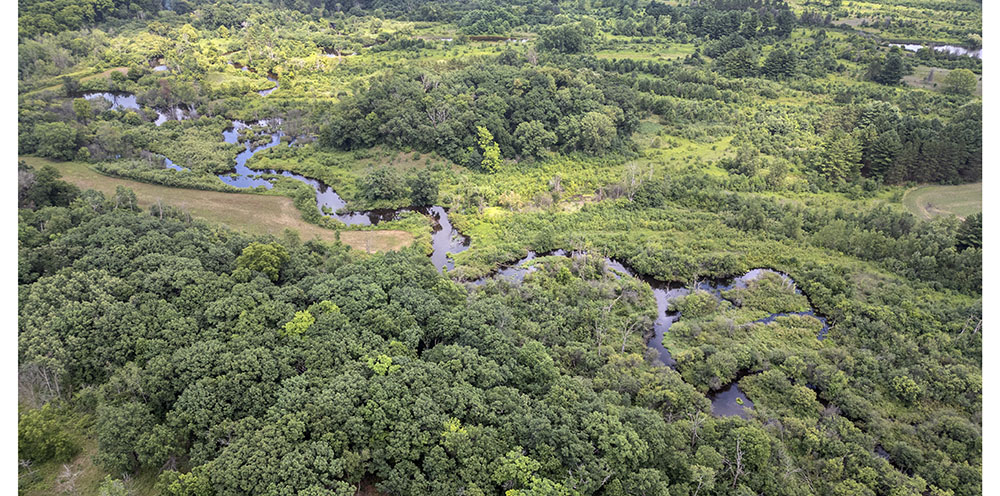
The Mukwonago River is either one of the cleanest rivers in southeast Wisconsin, one of the cleanest in the state, or one of the cleanest in the country, depending on who you ask (and it may well be all three). By all accounts, however, the river and its watershed are pristine enough to be of global ecological significance. It is home to fifty-six species of fish. To put that statistic into perspective, a watershed of its size is considered excellent if it has over twenty species. Fifty-six is outstanding!
The good news goes way beyond fish. There are at least fifteen species of freshwater mussel, the most threatened family of animals in North America. Being filter feeders, mussels are particularly sensitive to water quality, which has been deteriorating worldwide. The river and environs also support a great diversity of native plants and wildlife, such as waterfowl, reptiles, amphibians, insects, aquatic and wetland plants. One of the last and largest stands of wild rice in Southeastern Wisconsin can be found in the watershed. It is a refuge for such animals as sandhill cranes, tree frogs, mink, red fox, butterflies and dragonflies.
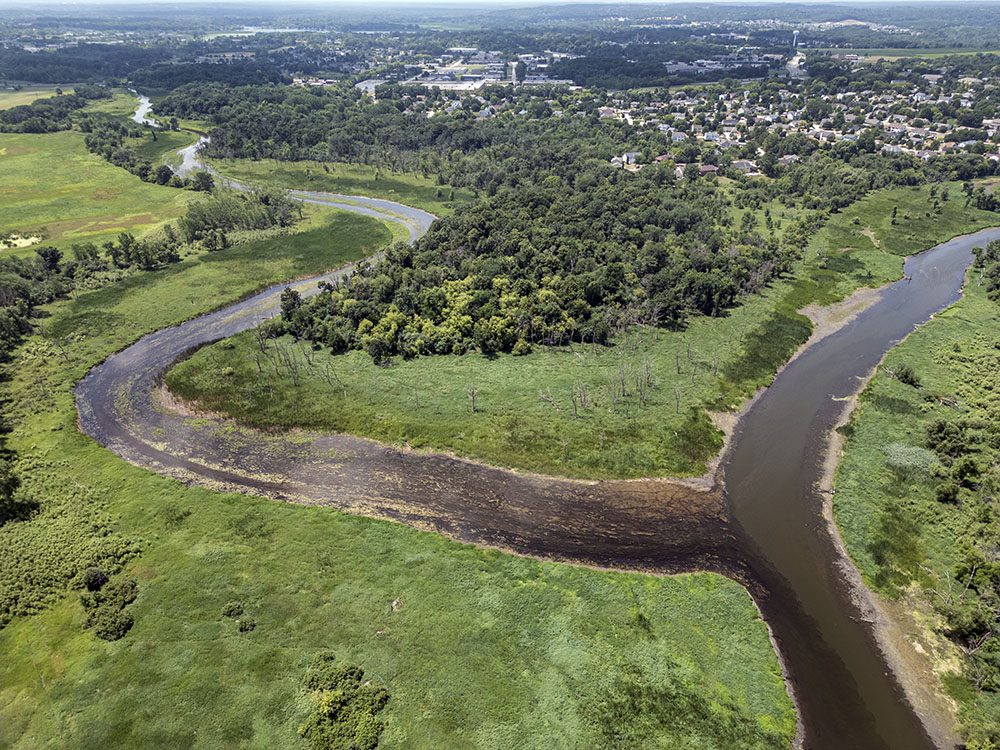
It isn’t a grand river. Just fourteen miles long and seldom more than a few feet deep. I’ve kayaked a few stretches, which is possible when the water level is sufficiently high. But it can be quite challenging due to the generally shallow depths and channels frequently clogged with vegetation. However unassuming, the Mukwonago River and its tributaries drain a watershed that is over 47,000 acres in area. What is at least as remarkable as the quality of this exceptional watershed itself is the fact that all of it is within an hour of Milwaukee, in Wisconsin’s most urbanized region.
No river can remain pristine on its own, especially in a region with an expanding human population like this one. It requires a lot of intentional intervention, especially the preservation of substantial amounts of land within the watershed, uplands along with wetlands. To that end a number of important organizations have made the Mukwonago River watershed a focus of conservation efforts. These include the Wisconsin Department of Natural Resources (DNR), Waukesha County, The Nature Conservancy, The Prairie Enthusiasts, Waukesha County Land Conservancy (WCLC), and Friends of the Mukwonago River.
The timing of this story coincides with the recent announcement of a merger between WCLC, and Friends of the Mukwonago River. “This is an exciting new chapter for conservation in our community,” says Allison Heine de Romero, Executive Director of WCLC. “The Waukesha County Land Conservancy is honored to carry this important work forward, ensuring the legacy of protecting the Mukwonago River continues with renewed strength and vision. By adding this important conservation effort to our mission, we can expand our ability to protect the river and surrounding lands for future generations.” WCLC owns and maintains six preserves within the watershed.
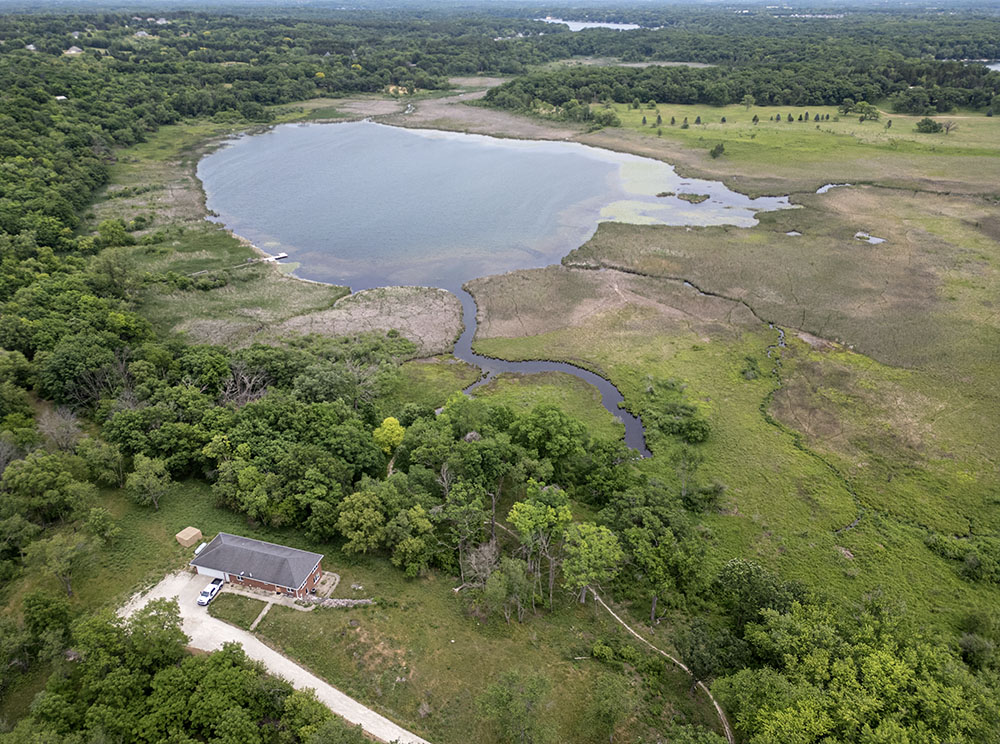
For its part, The Nature Conservancy (TNC) considers the Mukwonago River so important that it established one of only three worldwide Nature Conservancy Wetlands Network field stations in the watershed at its Pickerel Lake Fen Preserve. (The other two are in Utah and the Amazon River Basin.) TNC maintains three other preserves within the watershed, including the largest, Lulu Lake State Natural Area, which is jointly administered by TNC and DNR.
The many conservation properties serve a number of purposes beyond preserving beneficial wildlife habitats and protecting water quality. The primary source of water in the river is groundwater discharge, meaning the river is spring fed. At least one of these springs is easy to access at the end of a trail in the Lulu Lake preserve. I’ve filled my water bottle from gushing groundwater there. Definitely refreshing after a strenuous hike on glacial terrain! The rates of groundwater recharge, or absorption of rainfall, is significant due to the amount of protected, undeveloped land in the watershed. Overdevelopment of the watershed would threaten this phenomenon, making the acquisition of additional preserves an important goal.
Although secondary to their conservation roles, some of the preserves provide opportunities for passive recreation. This is particularly important given their proximity to Milwaukee! Hiking, birding and wildlife viewing are prominent pastimes. Some are open to hunting in season. While much of the river can be challenging to kayak, as stated earlier, there is one section that is very popular for this sport. A substantial channel of the Mukwonago River connects Eagle Spring Lake with Lulu Lake, making it easy to navigate. Be forewarned, however: motor boats are allowed there, too. If you’re able to avoid weekends and holidays, however, I’ve rarely found it to be busy.
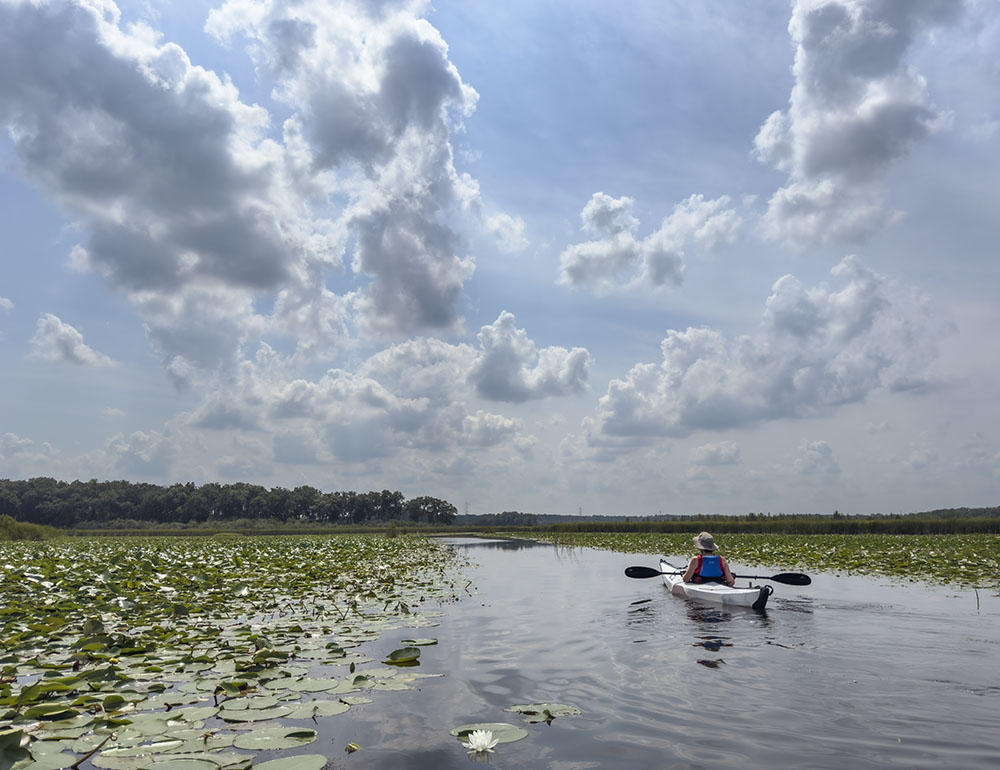
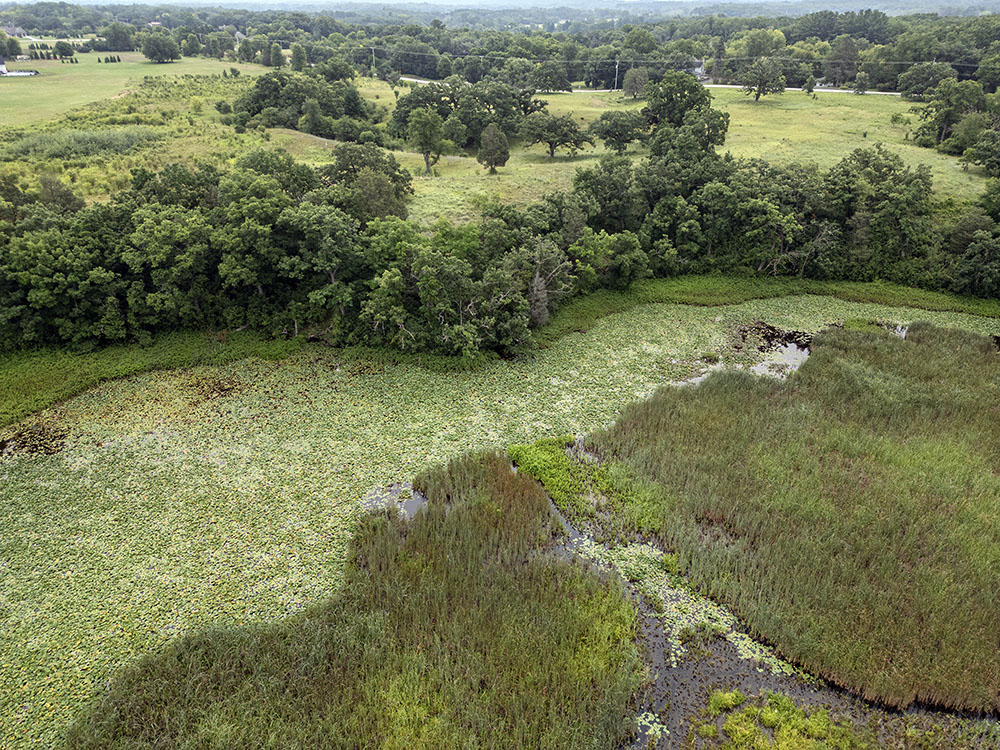
The images that accompany this story are essentially a visual tour of parks and preserves within the Mukwonago River watershed. I’ve attempted in the past several months to visit as many as I could locate. There are too many to include more than one image per place for most of them (seventeen, if my count is accurate). But to make up for it, I’ve also created a Flickr album with many additional images in order to provide a more comprehensive visual guide for those who wish to delve further. As usual, the links in the captions will take you to additional information, if available, about each place. None of the places have entry fees, except as noted.
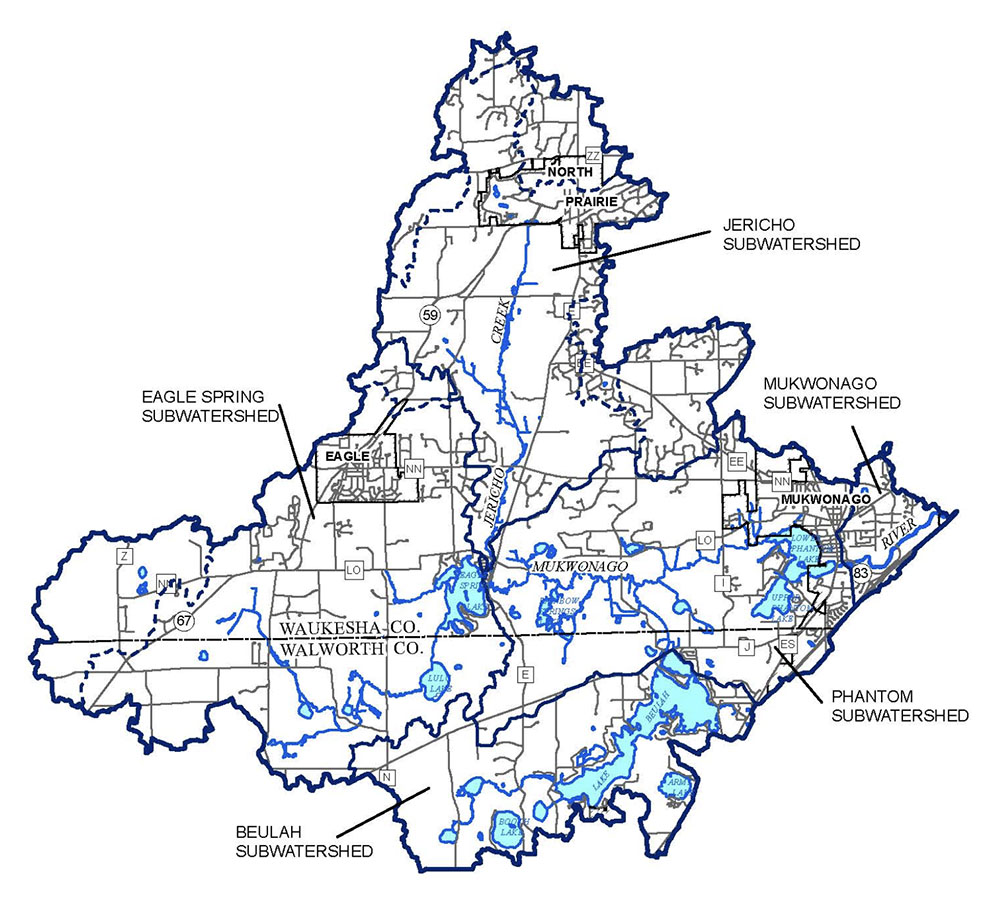
Guide to Parks and Preserves in the Watershed
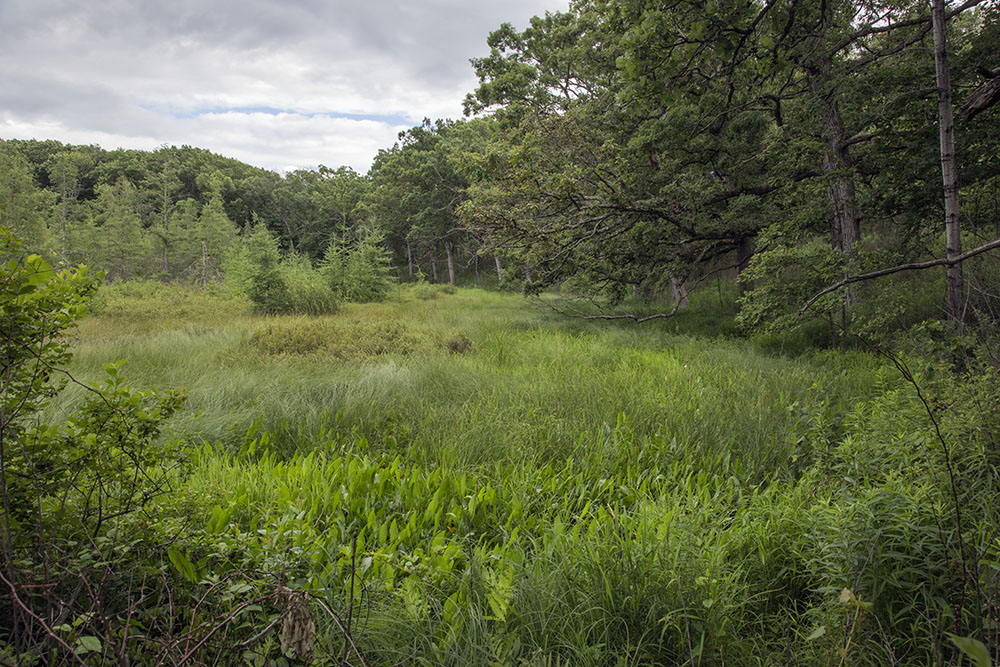
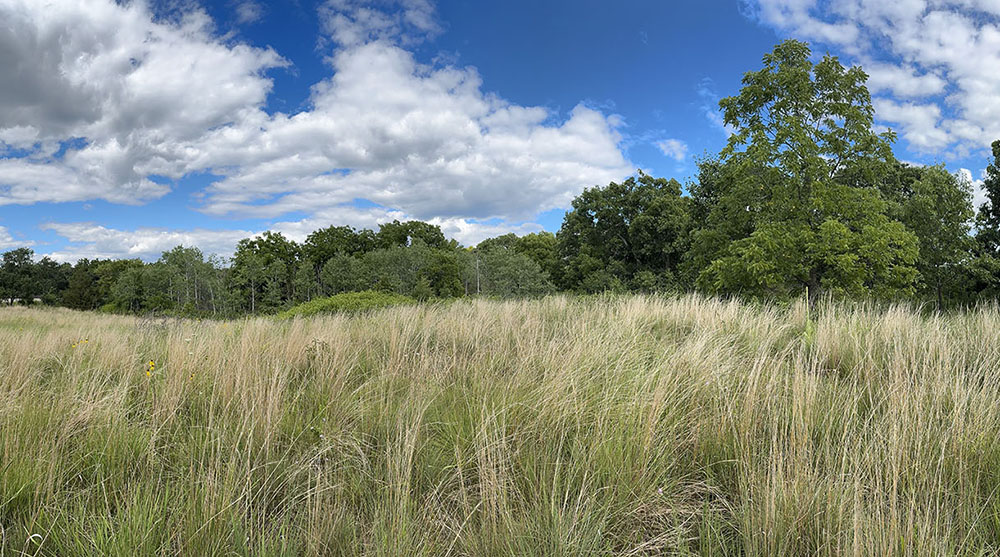
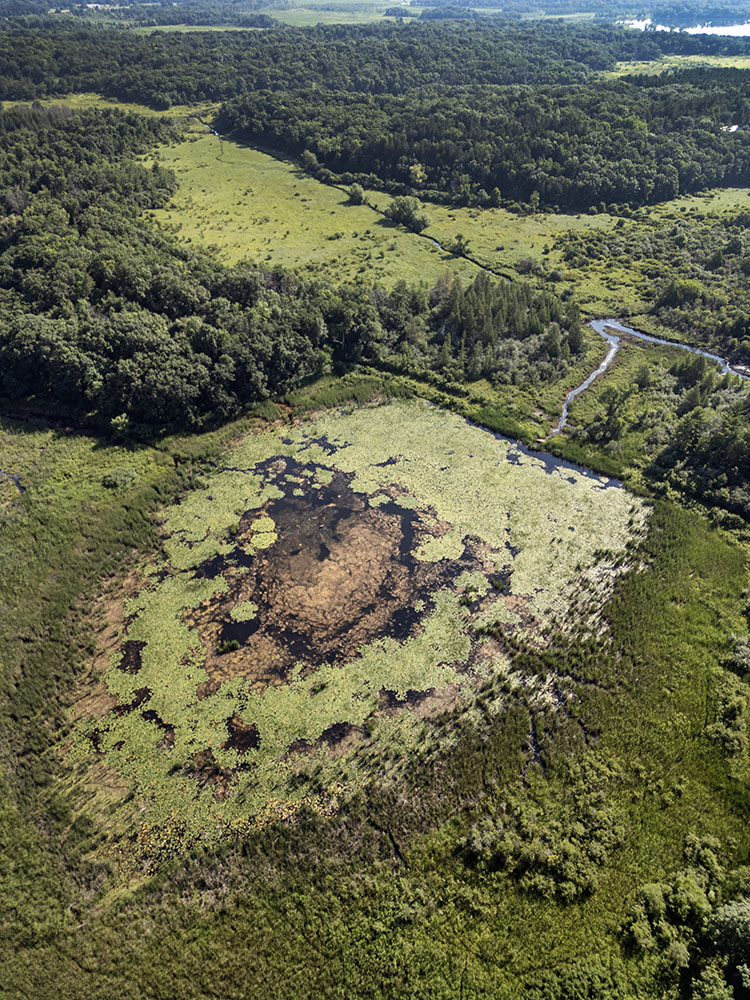
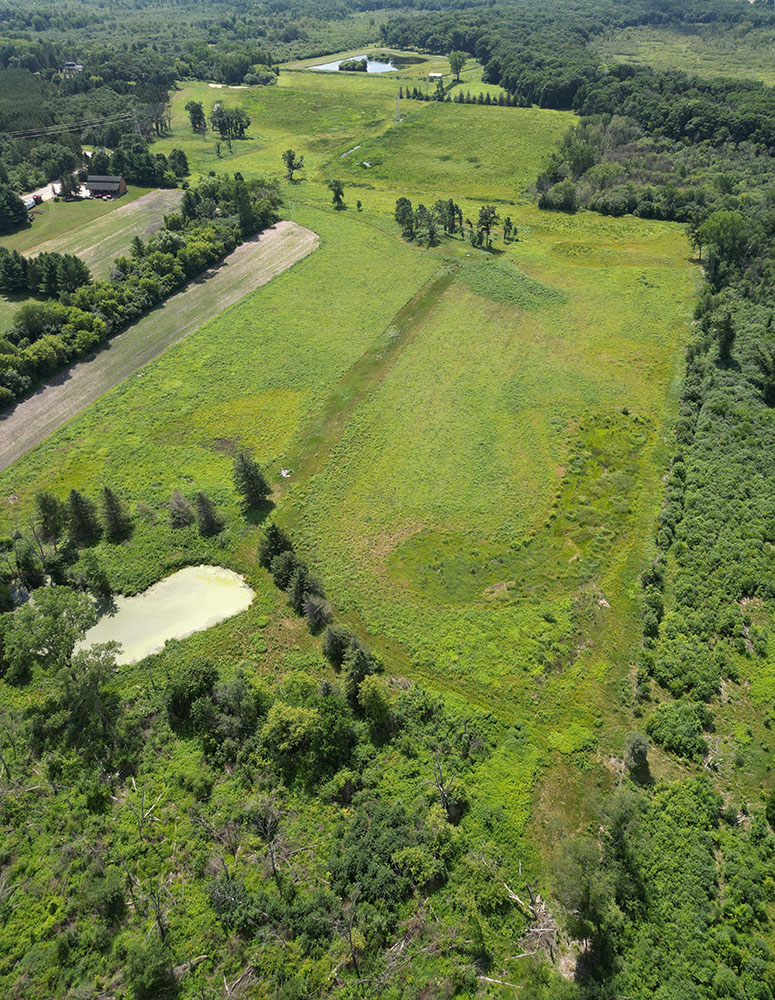
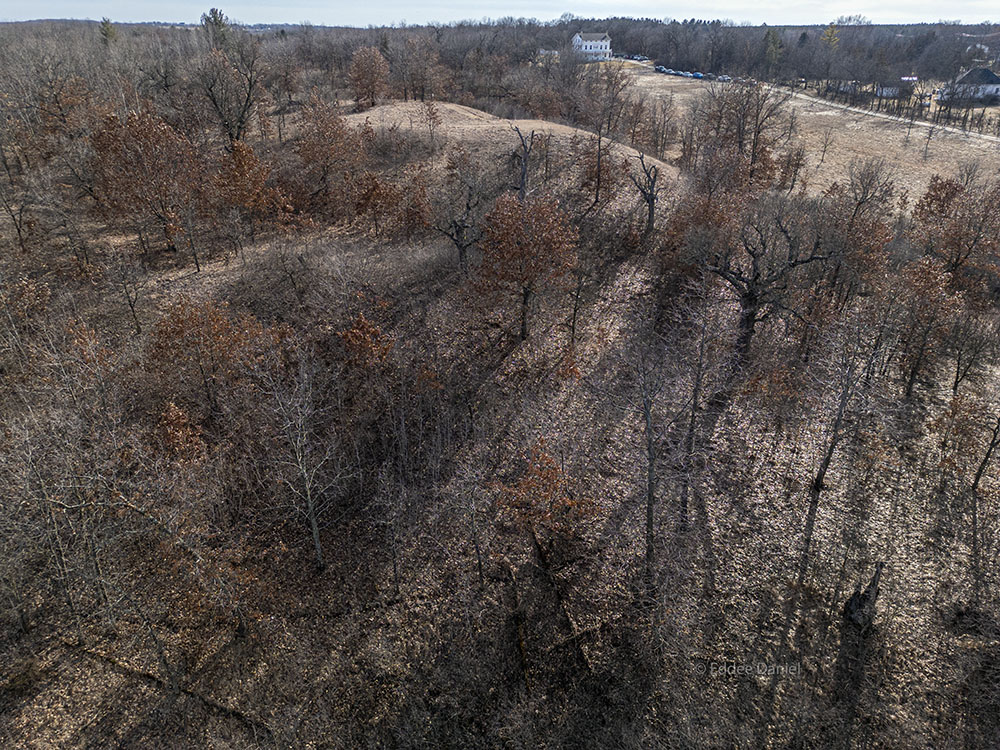
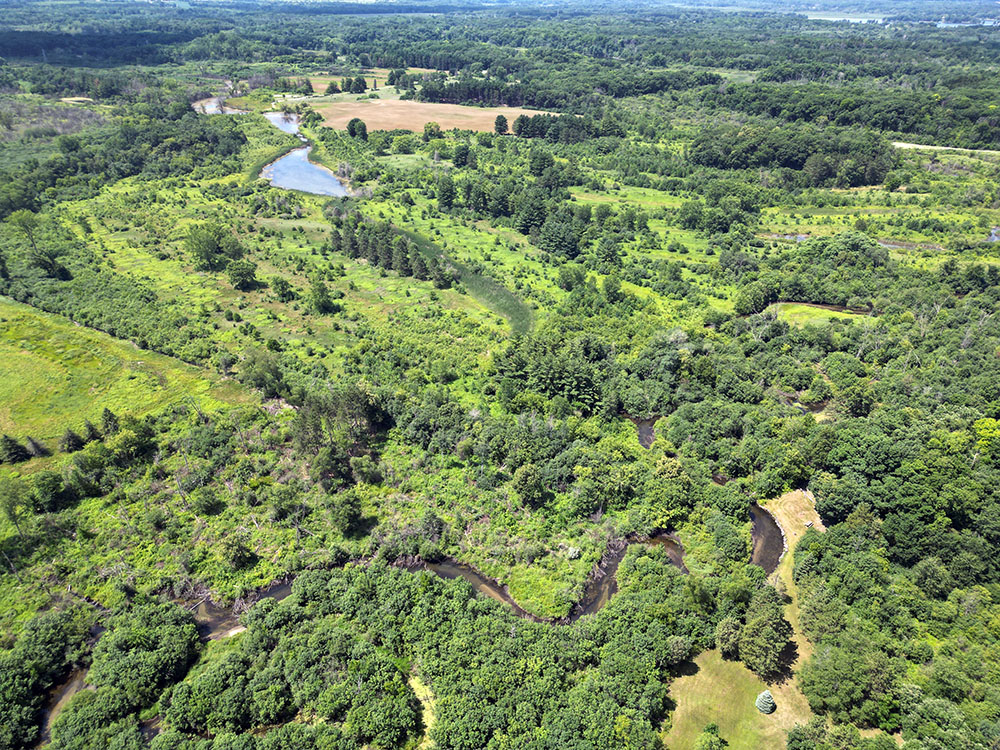
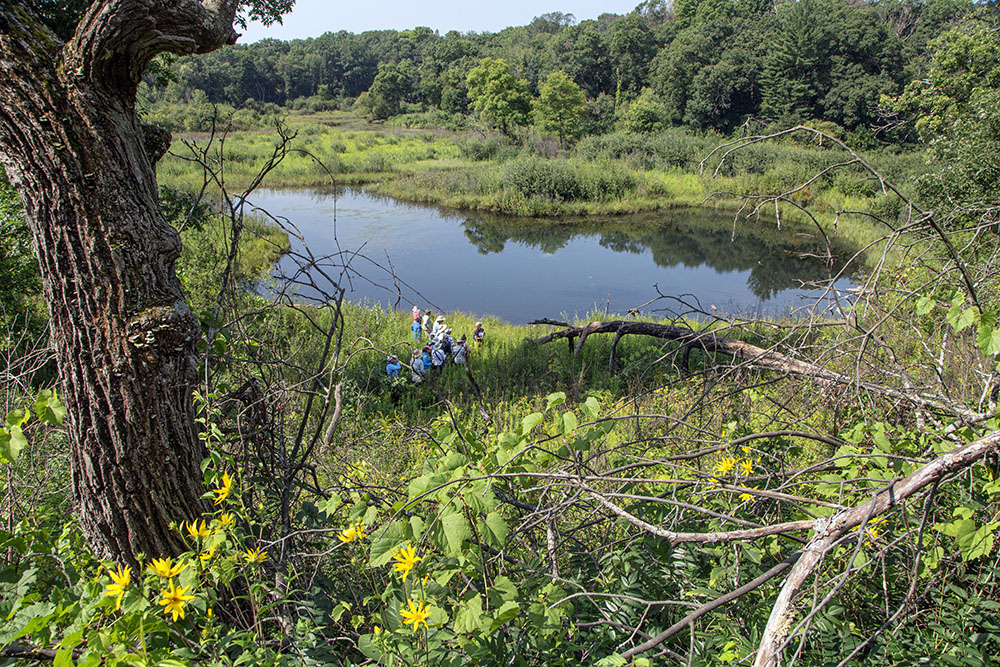
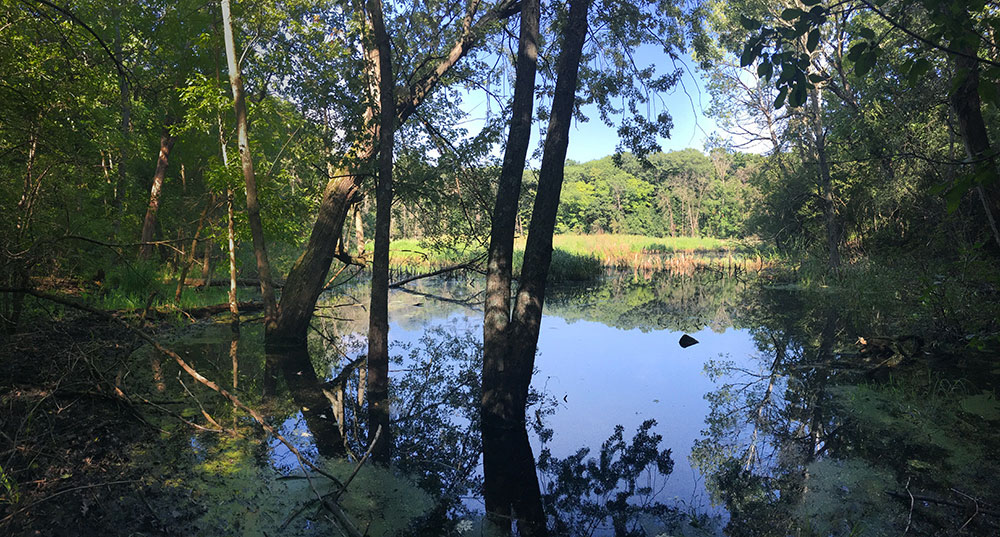
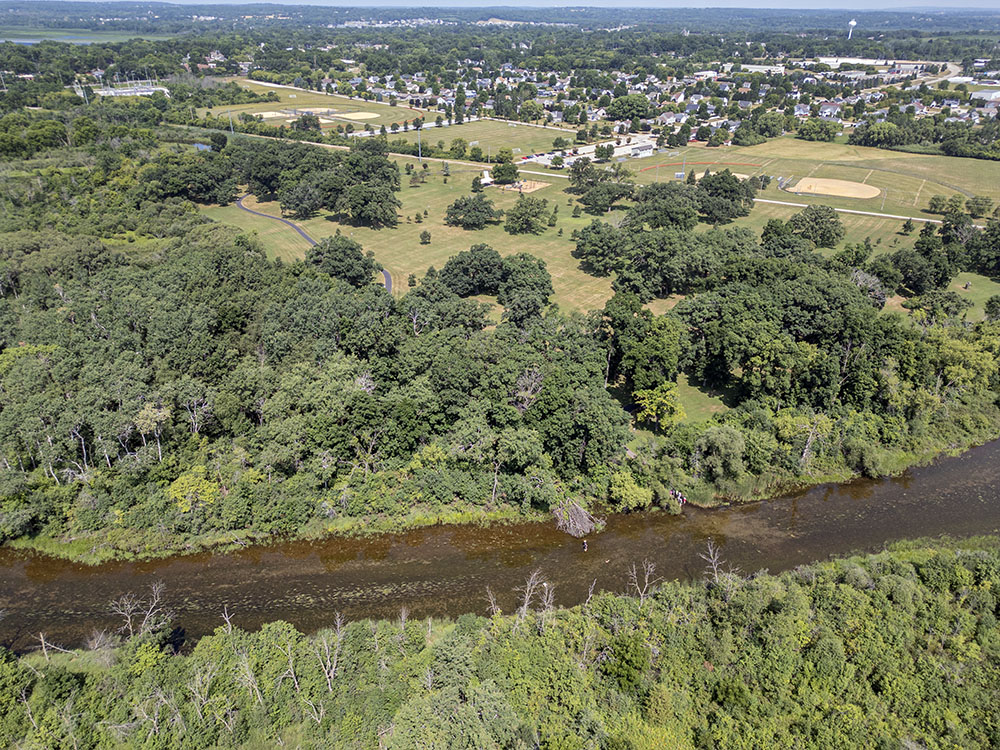
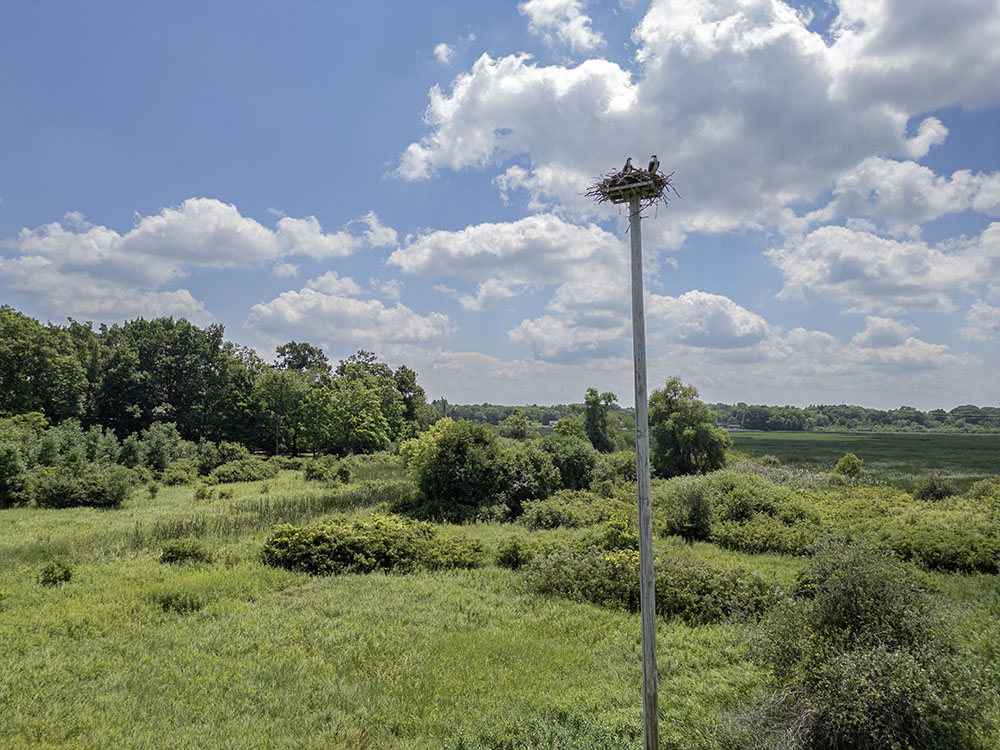
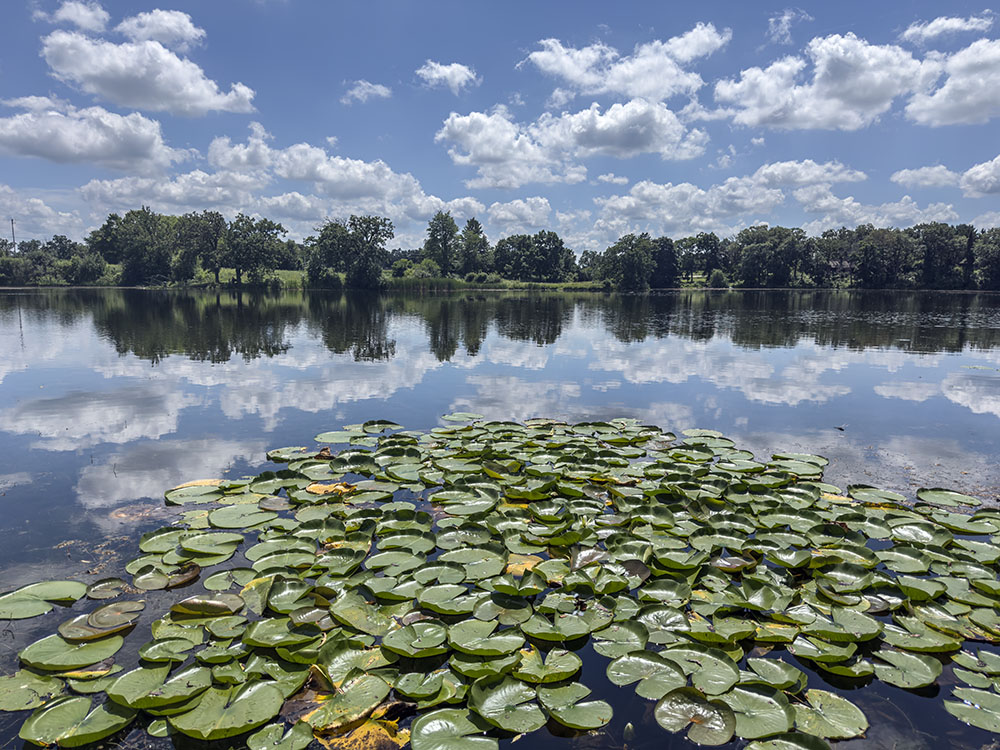
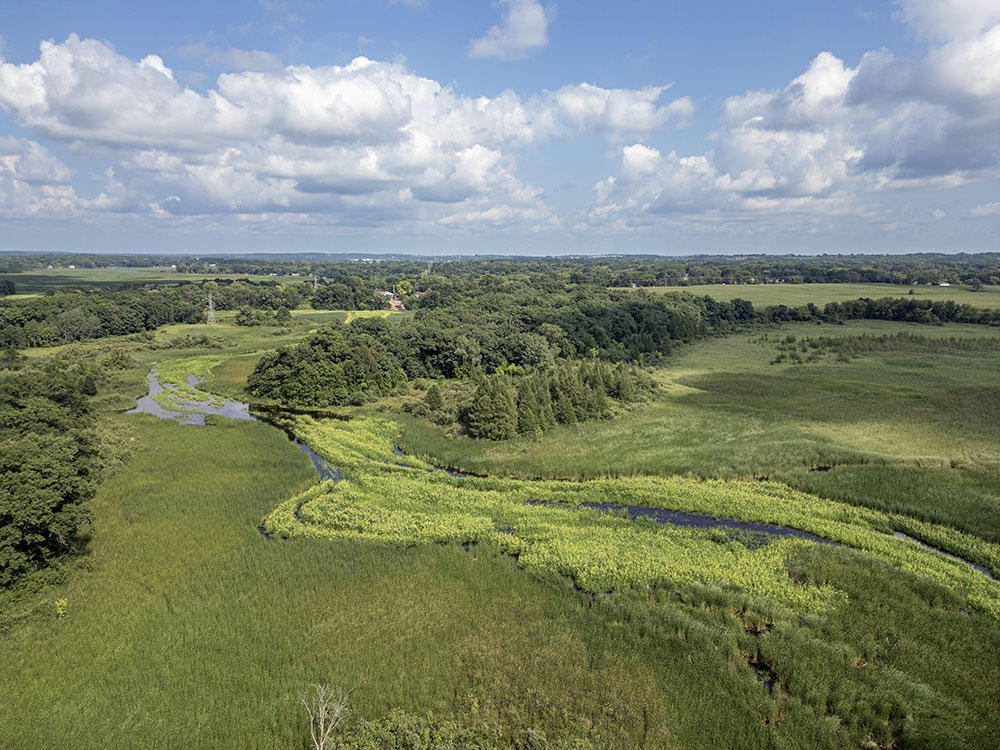
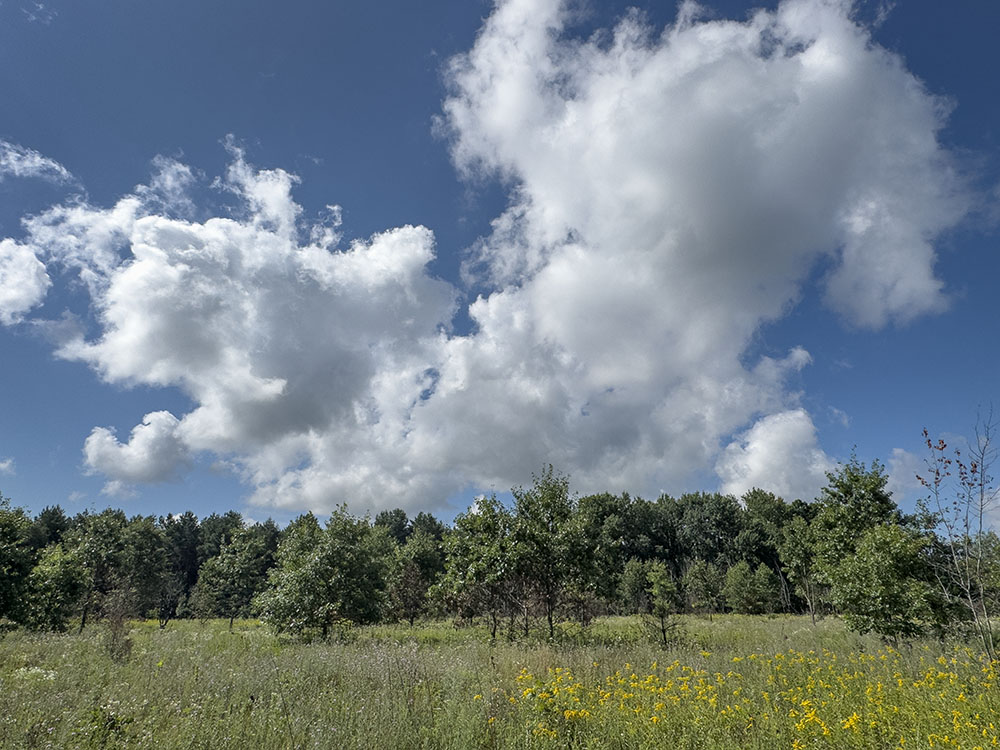
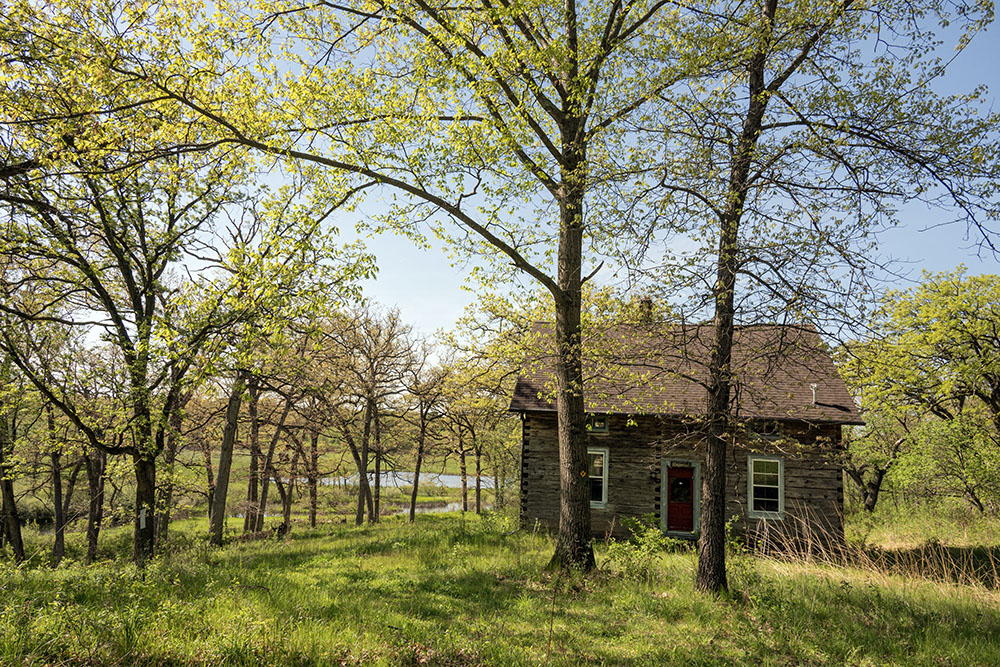
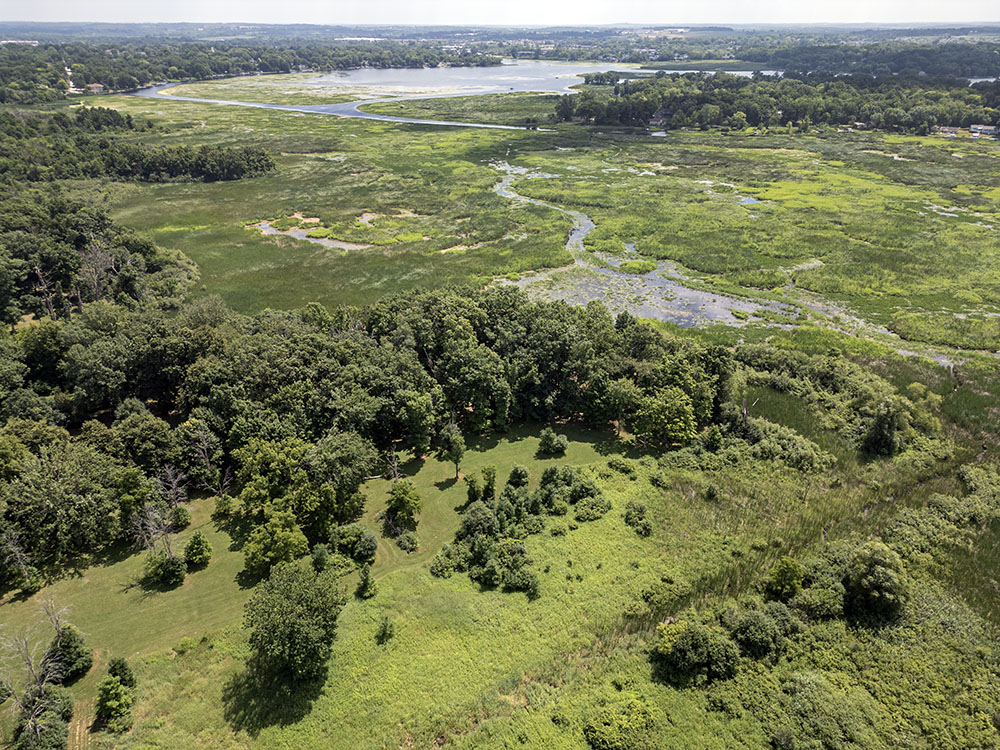
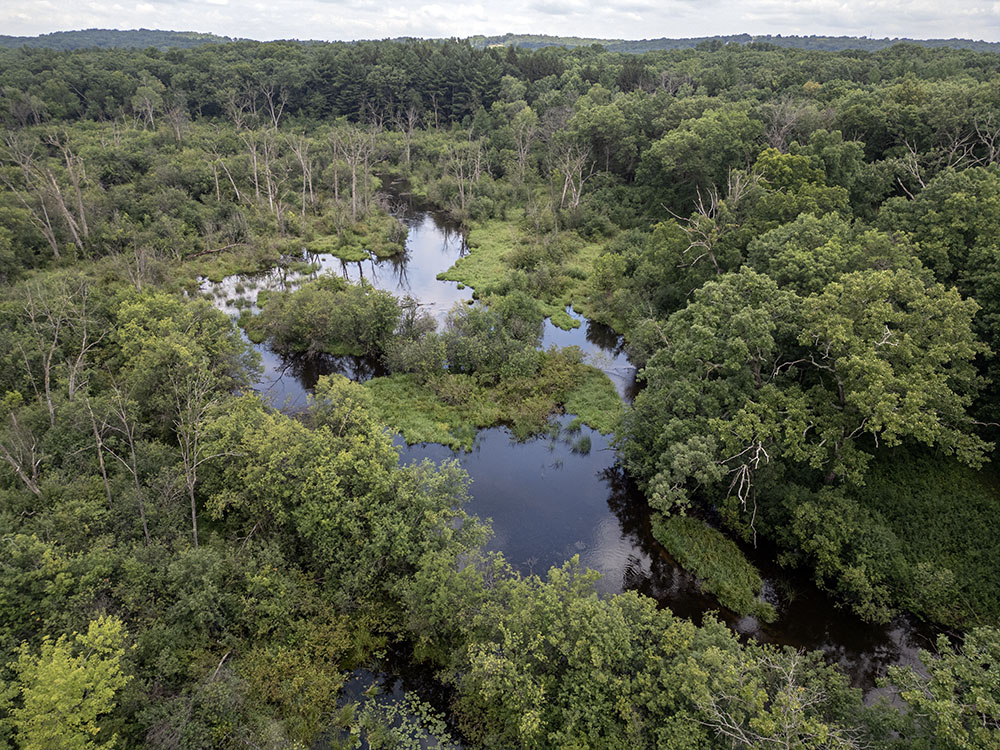
For additional photos from the many parks and preserves in the Mukwonago River Watershed go to my Flickr album.
Related story:
Exploring the Mukwonago River wilderness: A Road Less Taken
Additional links of interest:
The Nature Conservancy: Mukwonago River Watershed
Waukesha County Land Conservancy
Waukesha County Parks & Recreation
The Prairie Enthusiasts – Glacial Prairie Chapter
Friends of the Mukwonago River (website still active)
Eddee Daniel, writer/photographer, is a board member of Preserve Our Parks, the Program Director of A Wealth of Nature, and editor of The Natural Realm blog. Read more or subscribe at awealthofnature.org. Also available by arrangement for group presentations and guided tours.
Waukesha County Land Conservancy and Waukesha County Parks are project partners of A Wealth of Nature.
The Natural Realm blog is part of A Wealth of Nature, which is a program of Preserve Our Parks.
About Preserve Our Parks
Preserve Our Parks, Inc. is an independent nonprofit organization dedicated to the preservation of parks and green spaces. Our mission: To advocate for and promote Milwaukee area parks and open spaces and to strive to protect the tenets of Wisconsin’s Public Trust Doctrine.
For more than 25 years, we have been a leader in advocating for the protection of Milwaukee County park lands, halting many proposals to develop, privatize, or sell local parkland and lakefront spaces. More information about POP, including past accomplishments, is available at www.preserveourparks.org.