

The Globally Important Southern Kettles
April 14, 2026 | Topics: Places, Stories
By Shelly Torkelson
Photography by Eddee Daniel
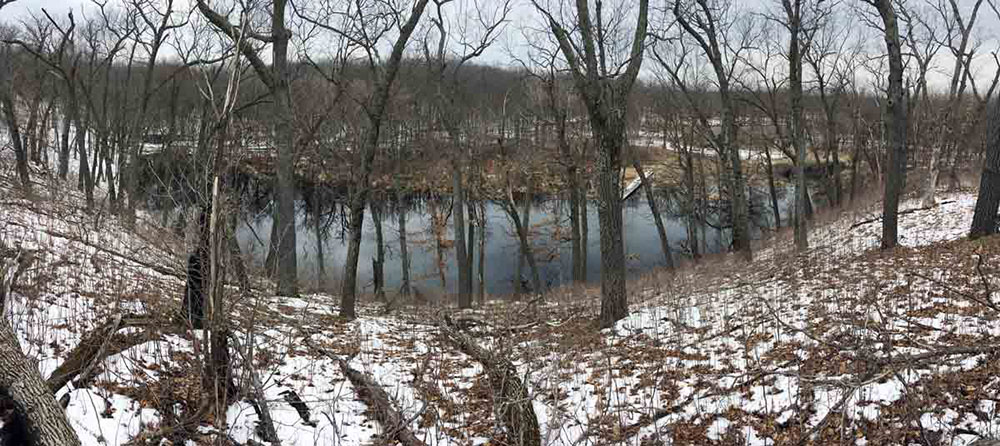
The Southern Kettle Moraine region is a truly special place. Ancient glaciers sculpted a dramatic landscape of hills, kettles (glacial depressions), and wetlands that today support an extraordinary mosaic of unique habitats, threatened species, and vast expanses of undeveloped lands. This globally important region deserves our care, stewardship, and long-term protection.
“The Southern Kettle Moraine Conservation Opportunity Area is a landscape-sized island of biodiversity situated between our state’s capital and our largest city.” ~ Pete Duerkop, Wisconsin DNR
The biggest and the best
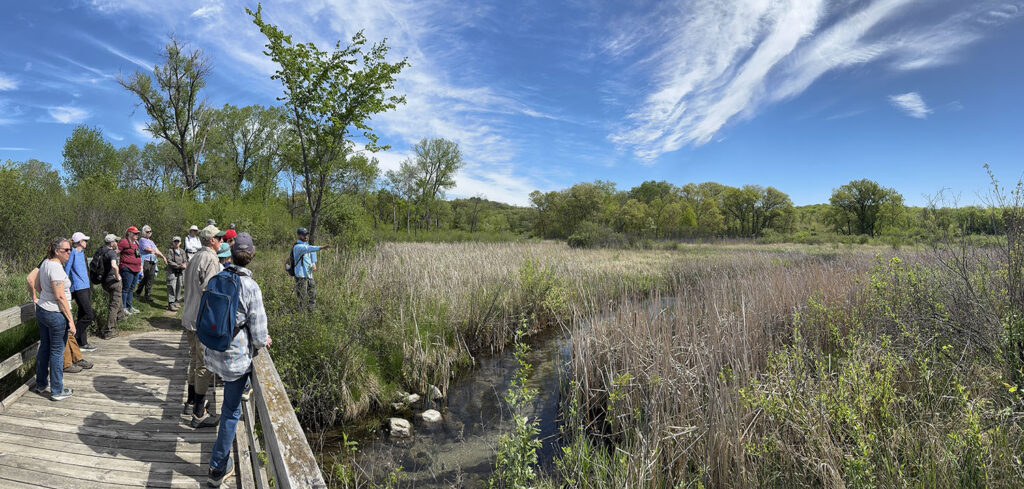
No matter how you slice it, the Southern Kettles are special. The area is located roughly halfway between Wisconsin’s two largest cities. And yet it contains some of the biggest swaths of undeveloped land in the entire southeastern part of the state. The Southern Kettles area extends southward towards the Illinois border and northward to I-94. The publicly owned lands of the Kettle Moraine State Forest are an anchor at the center of the Southern Kettles, but 65% of the area is privately owned. This combination of private and public land is ripe for collaborative stewardship, conservation, and care.
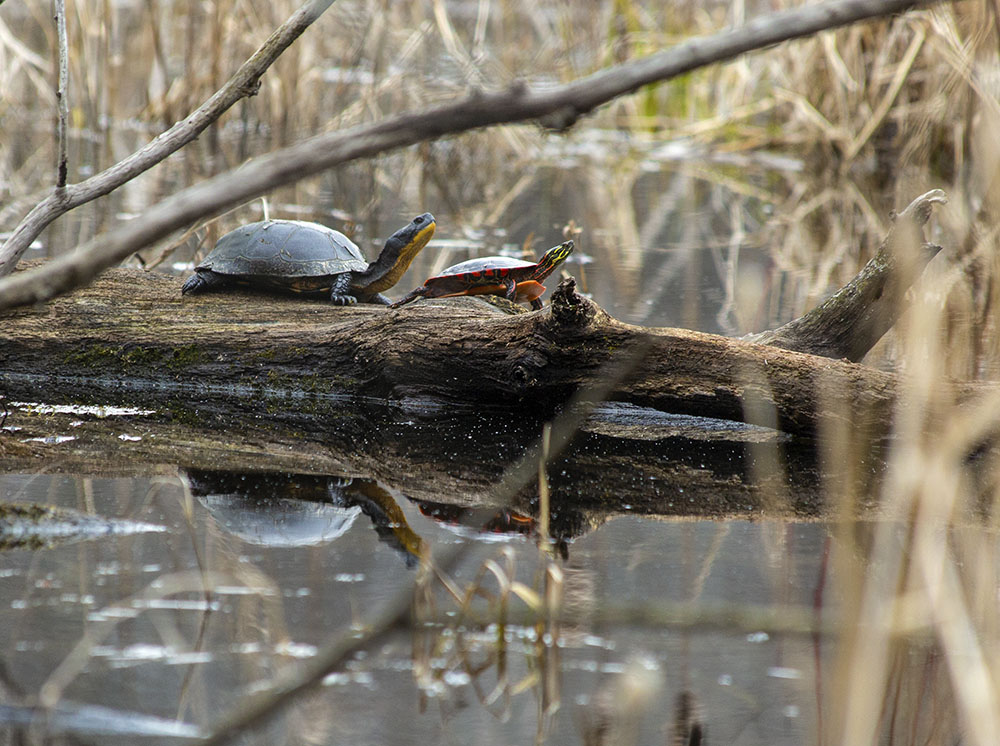
The Southern Kettle Moraine contains one of the largest, most intact arrangements of fire-dependent oak savannas, oak woodlands, fens, and wet prairies remaining anywhere in the world. This region supports a large number of Species of Greatest Conservation Need, according to Wisconsin’s Wildlife Action Plan. It also functions as a global refuge for rare ecosystems and species threatened with extinction.
Key habitats of the Southern Kettles
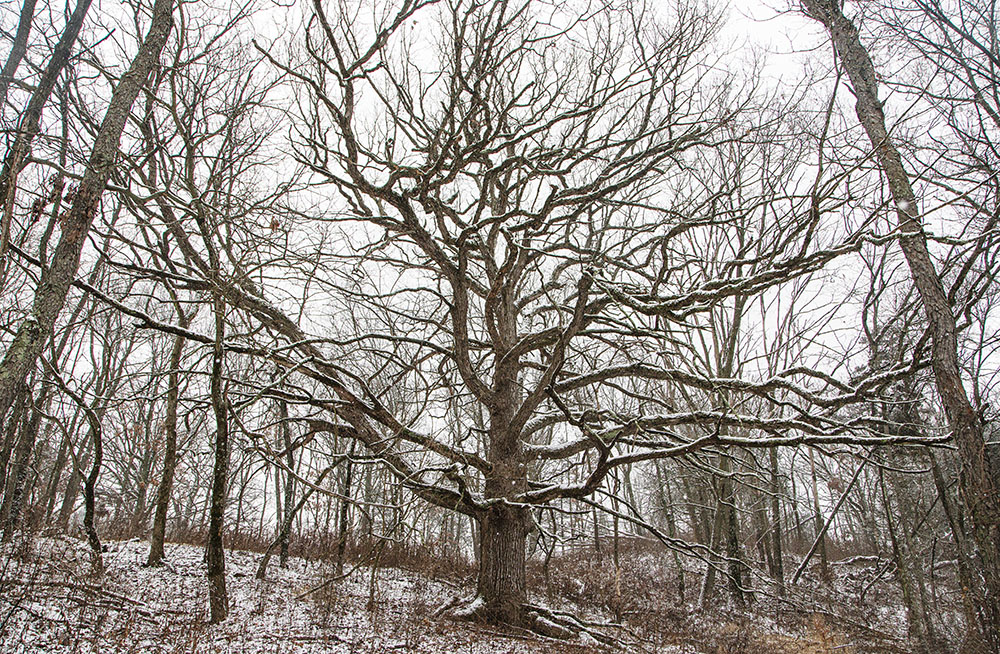
The Southern Kettles contain five primary habitats that are high priorities for conservation: wet prairies, oak savannas and woodlands, fens, sedge meadows, and bogs. These habitats are not only rare in Wisconsin, but also rare in the Midwest. And when taken as a whole they are – believe it or not – rare in the world. They support many key native plants and animal species.
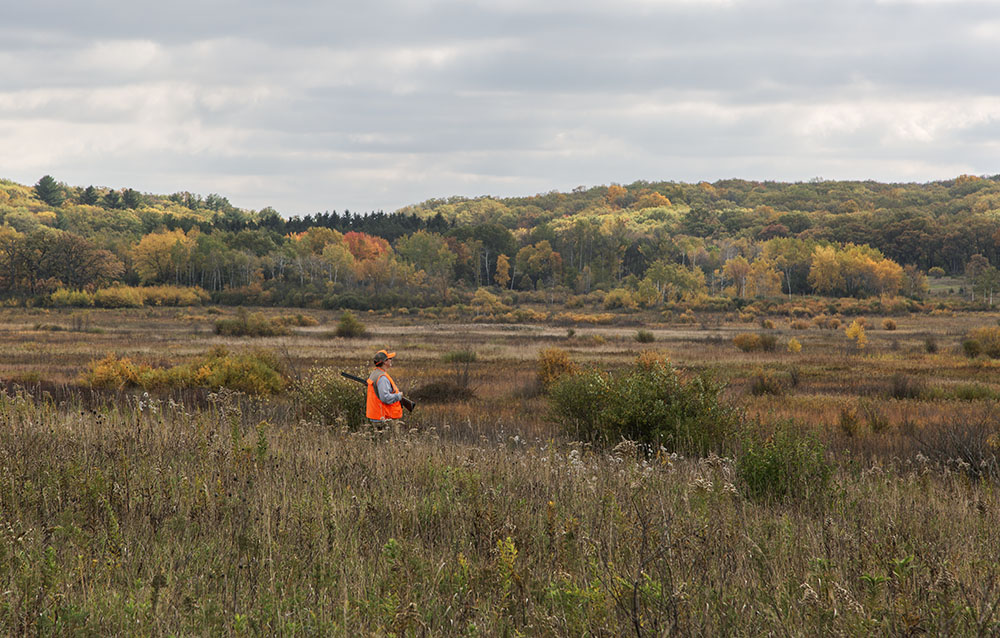
Chief among these communities are the prairies and oak savannas of the Southern Kettles, where excellent examples of these rare ecosystems can be found scattered throughout the undulating hills. According to the Wisconsin Department of Natural Resources (DNR), prairie and oak savanna natural communities are the most endangered natural communities in Wisconsin and across the Midwest. They are also among the most decimated in the world. Their rarity can be attributed in large part to plowing and tilling for agriculture during European settlement and forest succession due to lack of fire on the landscape. Today there is continued pressure from development from nearby population centers.
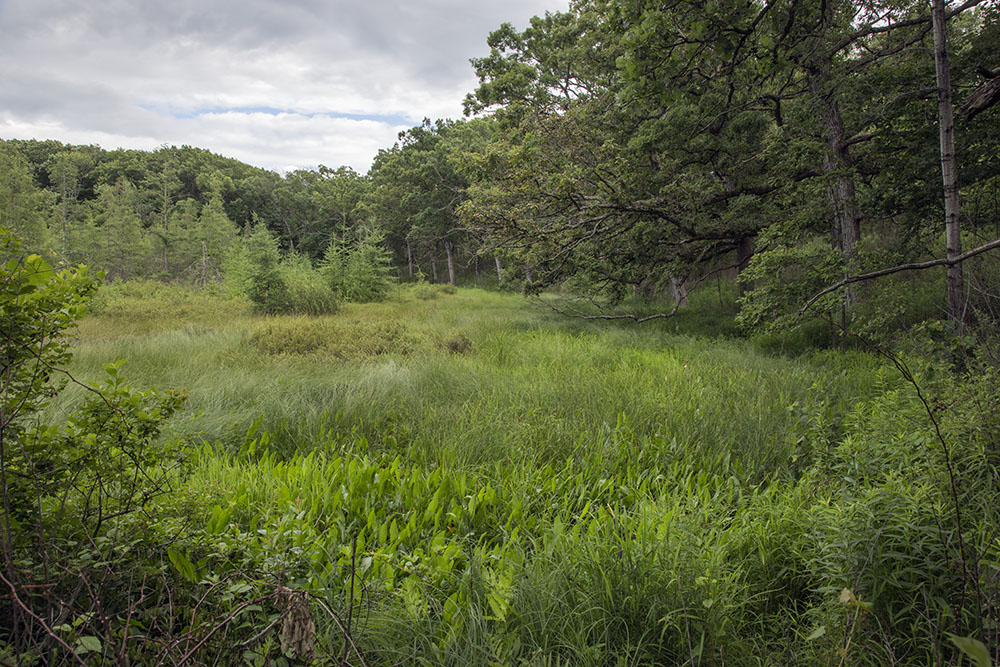
Additionally, the Southern Kettles area is home to some important (and quite large) wetlands. Scuppernong Marsh, for example, is the largest wet prairie complex east of the Mississippi. It includes the largest calcareous fen (a type of wetland with high-carbonate groundwater and particularly diverse plant life) in Wisconsin.
Cultural and ecological significance of the Southern Kettles
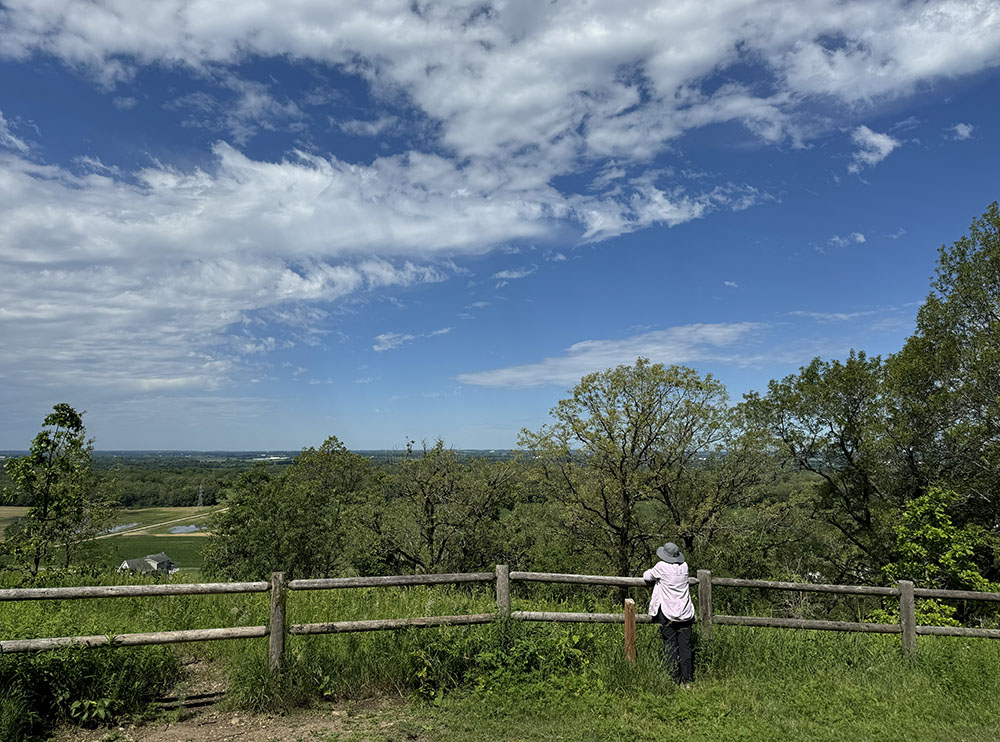
The hill that European settlers named Bald Bluff is an environmentally and culturally important feature of the region, located within the Kettle Moraine Oak Opening State Natural Area. At 1,050 feet above sea level, Bald Bluff is one of the highest points in this part of Wisconsin. It has been used by the Potawatomi and other indigenous peoples as a landmark and gathering place.
The Wisconsin DNR’s Wildlife Action Plan highlighted the Southern Kettles as a “Conservation Opportunity Area of Global Significance.” The Wisconsin Wetland Association has identified three “Wetland Gems” in the area. The Nature Conservancy and the Center for Resilient Conservation Science have ranked it highly on their Resilient Land Mapping Tool. National Audubon has designated several “Important Bird Areas” in and around the area. The list of organizations recognizing the specialness of this region goes on and on.
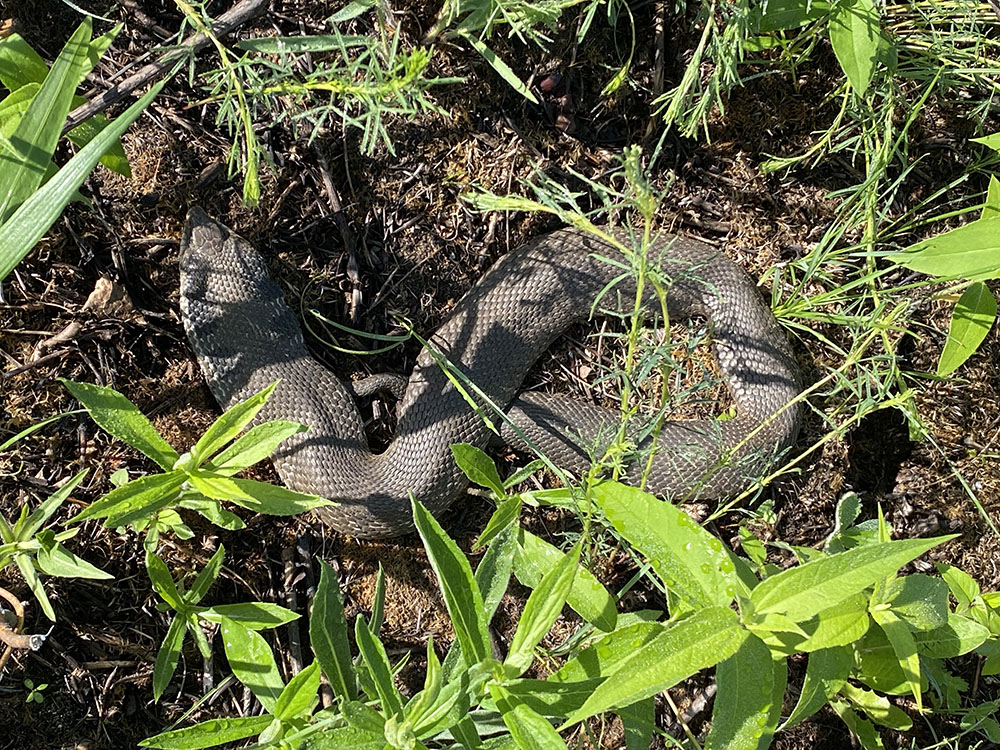
The glacial hills, kettle lakes, and verdant prairies of the Southern Kettles are full of wildlife. Wisconsin hosts its share of endangered and threatened species, and many are found here, including one of Wisconsin’s largest concentrations of hooded warbler, which is listed as Threatened.
“The Kettle Moraine State Forest and Lulu Lake State Natural Area provide the backbone of this area and provide critical habitat for rare species and natural communities that have largely disappeared from the landscape otherwise.” ~ Pete Duerkop, Wisconsin DNR
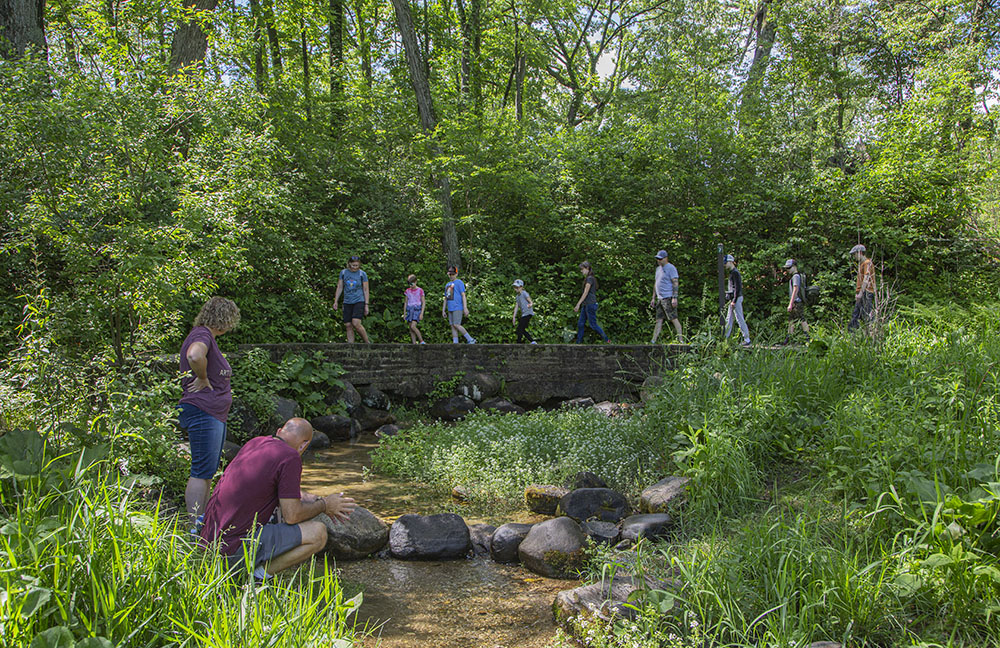
Unique collaborations
Because of its universally recognized importance, great conservation work has been happening in the Southern Kettles and across southeastern Wisconsin for decades. Land trusts, local friends’ groups, the DNR, and others have been actively working to protect key local sites.
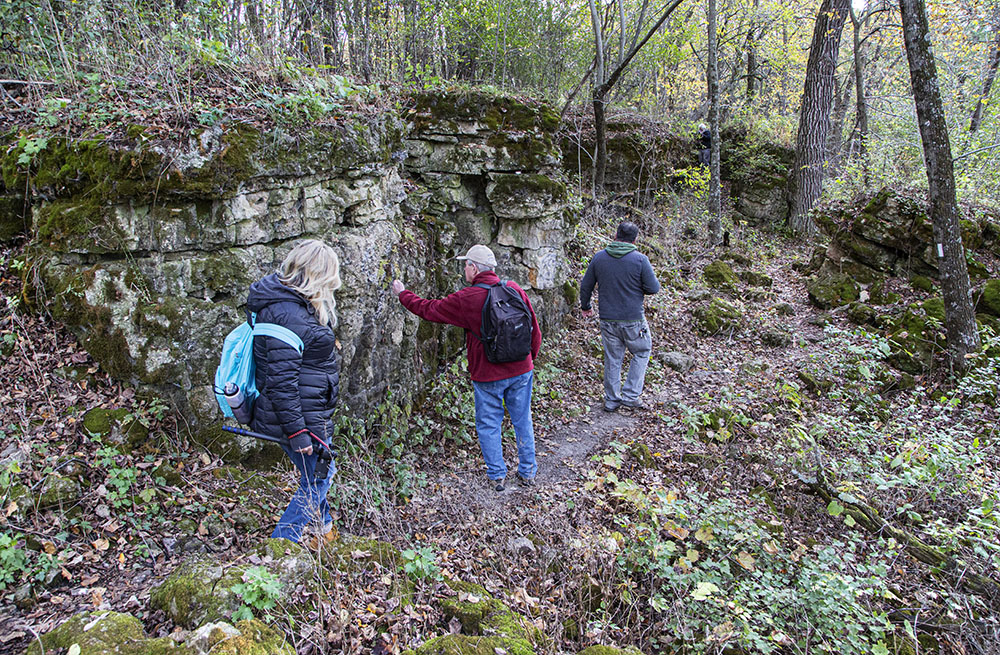
Recently, a group of conservation organizations have come together to expand this work to a larger, landscape scale. The Southeast Wisconsin Conservation Collaborative is bringing together state agencies, land trusts, local watershed and community organizations, and national conservation groups to co-create a resilient future for the landscape.
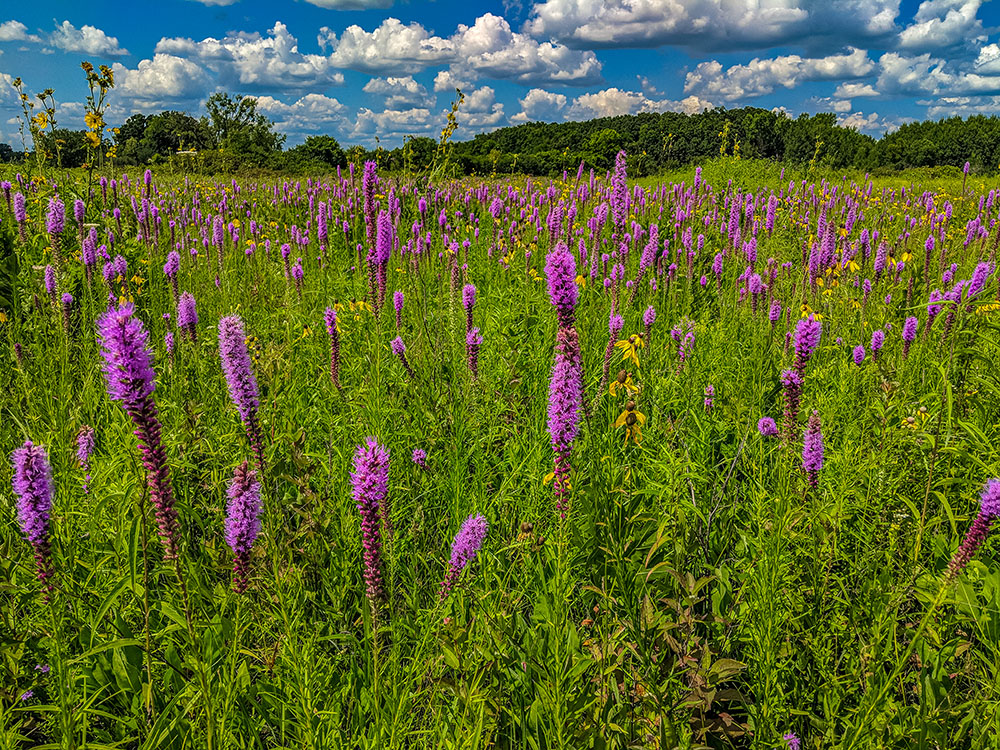
NRF has started actively supporting this collaborative. We aim to secure more funding for work on the ground, expand and support the collaboration by hiring a coordinator, and build capacity to grow local conservation efforts.
In conservation, we can accomplish more together than we can separately. We share a common vision for the Southern Kettles area: a thriving, connected future for this unique landscape.
Thank you to our members and the Network for Landscape Conservation for supporting our landscape-scale conservation work in the extraordinary, globally important Southern Kettles.
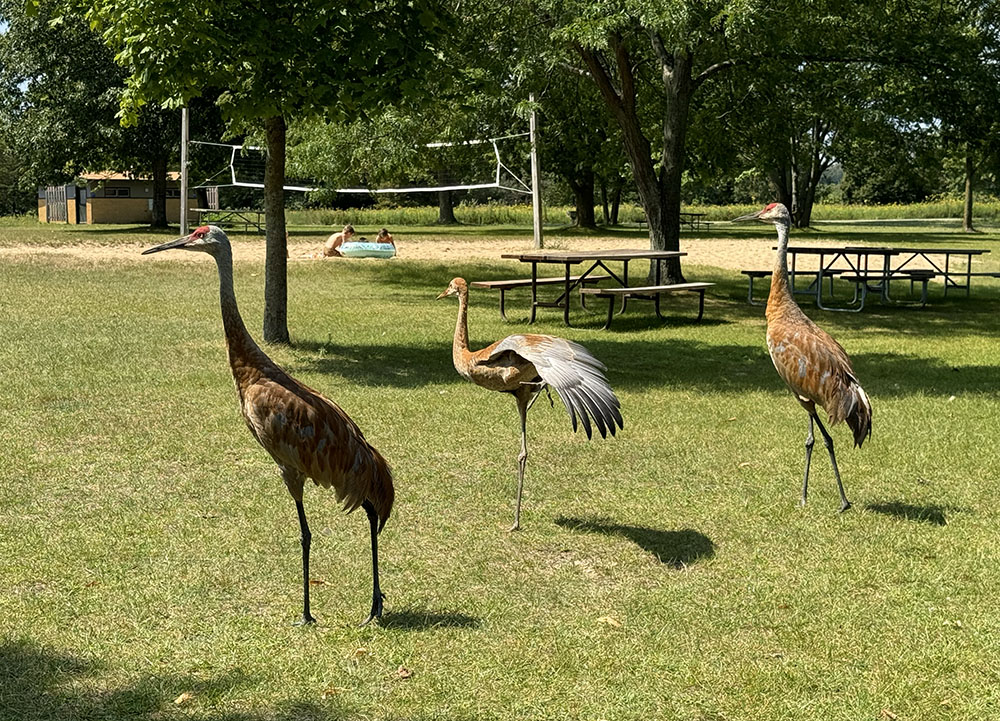
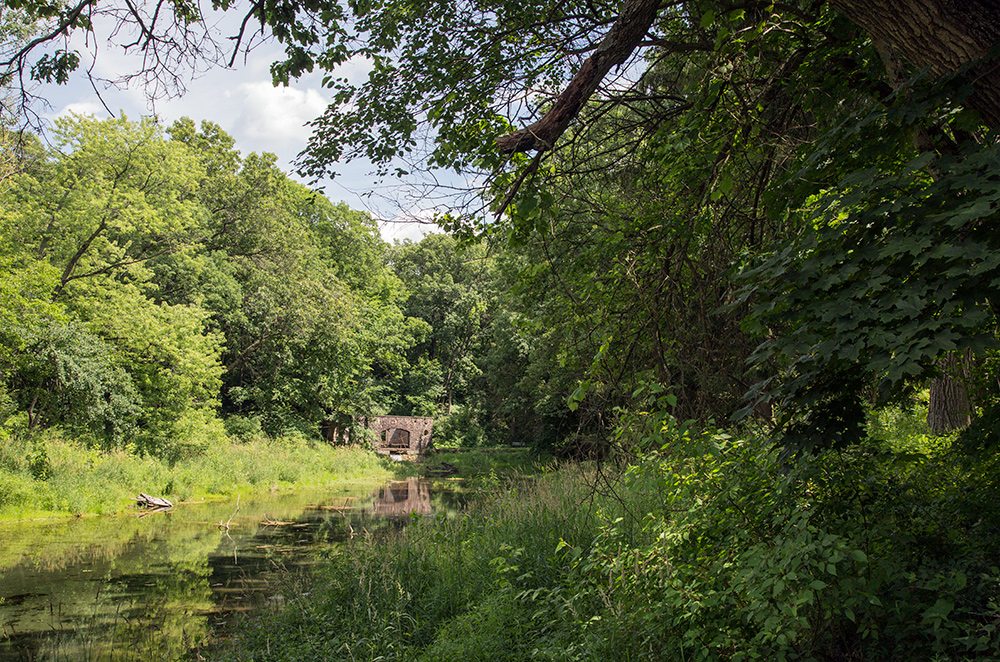
Note on photographs: All of the photos accompanying this story were taken in the Southern Unit of the Kettle Moraine State Forest, which has many different named locations within it, as indicated in the captions.
For more information and additional photos about the Southern Unit of the Kettle Moraine State Forest go to our Find-a-Park page.
Related stories:
Exploring the Scuppernong Springs Nature Trail: Legacy of Land and Glacier
Stute Springs: Tracking wildlife and so much more!
Scuppernong Springs Nature Trail: A Saunter Through History.
Photo essay: Ottawa Lake Recreation Area.
Young Prairie: Restoration and Recreation
OutWiGo Green brings thousands to Ottawa Lake despite the rain!
Celebrating the Ice Age Trail in Southeastern Wisconsin!
Shelly Torkelson is Director of Communications at The Natural Resources Foundation of Wisconsin, which is a project partner of A Wealth of Nature. This story has been edited for length. You can read it in its entirety (with different photos) on the NRF website. It is reprinted here with permission.
Eddee Daniel, writer/photographer, is a board member of Preserve Our Parks, the Project Director of A Wealth of Nature, and editor of The Natural Realm blog. All photos by Eddee Daniel except as noted.
The Natural Realm blog is part of A Wealth of Nature, which is a project of Preserve Our Parks.
About Preserve Our Parks
Preserve Our Parks, Inc. is an independent nonprofit organization dedicated to the preservation of parks and green spaces. Our mission: To advocate for and promote Milwaukee area parks and open spaces and to strive to protect the tenets of Wisconsin’s Public Trust Doctrine.
For more than 25 years, we have been a leader in advocating for the protection of Milwaukee County park lands, halting many proposals to develop, privatize, or sell local parkland and lakefront spaces. More information about POP, including past accomplishments, is available at www.preserveourparks.org.
One thought on "The Globally Important Southern Kettles"
Comments are closed.
What wonderful photos, with important information included concerning each one.