

Root River Parkway: Recreating Wilderness!
June 30, 2026 | Topics: Places, Stories
By Eddee Daniel
“Wilderness is the raw material out of which man has hammered the artifact called civilization.” ~ Aldo Leopold
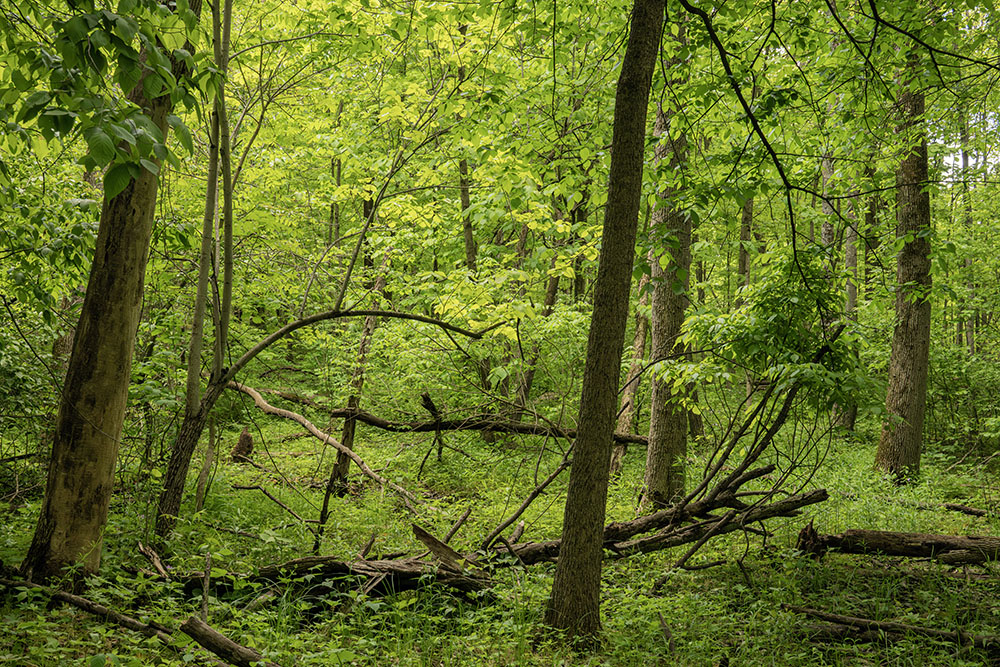
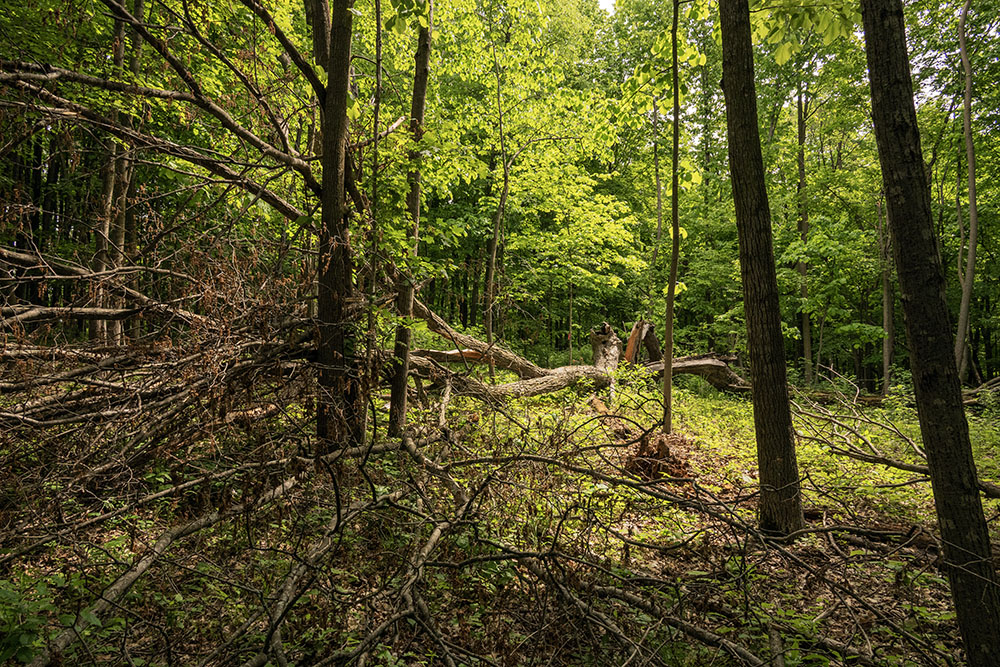
Momentarily, I feel like one of the wild creatures that lives here in the forest. As if I’ve stepped through some kind of veil into a magical realm instead of merely walking off the road and into the woods. There is no trail, just a thinning of the shrubbery in places that allows me to pass, like a deer or a coyote, guided only by instinct and observation. This new world is rich yellow-green with spring foliage. The leaves on the trees have unfurled but have yet to broaden to their full extent or deepen to a summery green. Just as my imagination succeeds in making this forest out to be an uncharted wilderness I spot a pink ribbon ahead at eye level on the trunk of a tree. Beyond that I see another. Signs that however wild it may prove to be this is a managed wilderness. Not a place, however, where you would expect to run into another human. And yet….
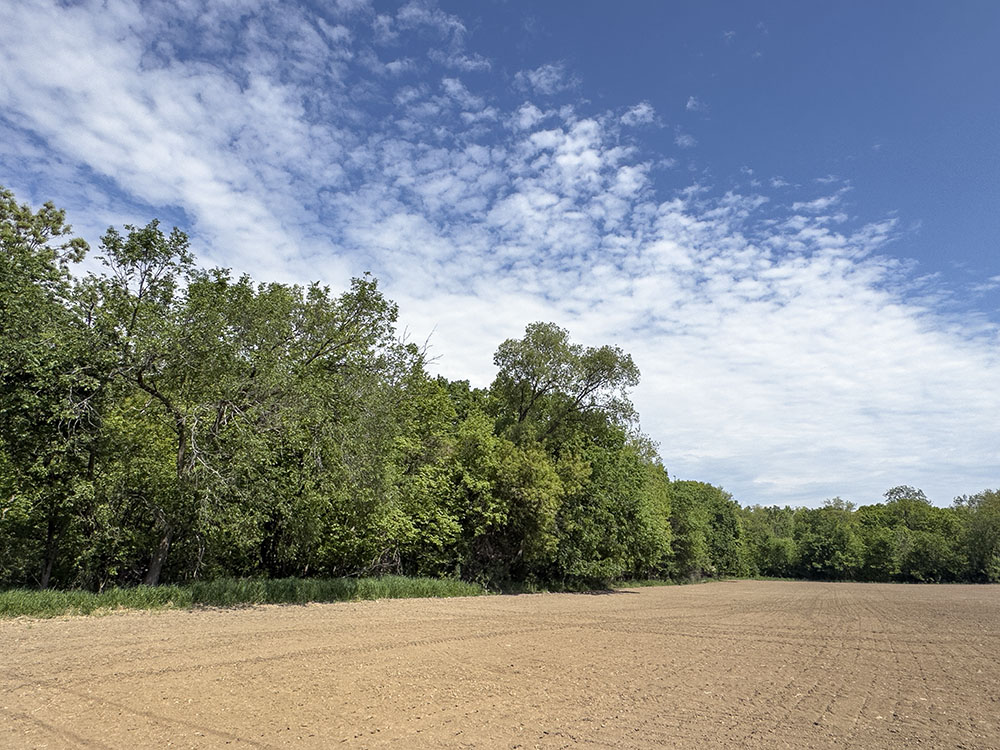
I’ve driven to the frontier, the remotest end of Milwaukee County. Curiously, as I drive along County Line Road I note the row of neat little suburban houses on the Racine County side, whereas the Milwaukee County side is still mostly agricultural. Until, that is, I reach the decisive edge where the adjacent forest appears to bulge outward as if straining against an invisible force keeping it confined. To one side, nothing but acres of flat, freshly-tilled dirt. To the other an exuberant line of enchanting forest.
The southern end of Milwaukee County is unlike the rest of it, the last bastion of active commercial agriculture. Farm fields are interspersed with tracts of forest like this one, which is a small part of the Root River Parkway, the largest single unit of the Milwaukee County Park System. Divided into three unconnected sections, the Parkway comprises almost 4,000 acres. And unlike most county parks, much of it is undeveloped. You might say, wild.
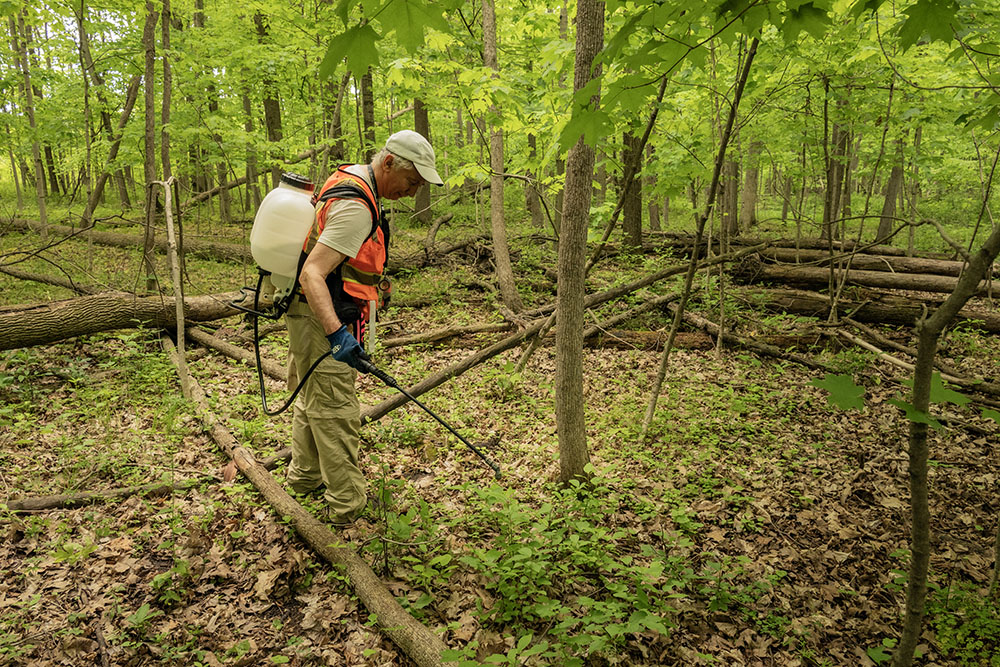
After a bit more bushwhacking, I spot a bright orange reflective vest in the distance through the trees. It is not a chance encounter. I knew I’d find Ken somewhere nearby. We’d arranged to meet here so that he could show me around the forest he’s been taking care of for thirty years. Now in retirement, Ken has been authorized to help the County Parks by spraying garlic mustard with herbicide in order to keep the highly invasive species at bay. Watching him work I note how selective he is while spraying. Garlic mustard is easy to identify, even for me. I also note that, overall, the forest floor is healthy, with quite a diverse selection of groundcover plants and native wildflowers. I’ve seen in other places how badly a woodland can be ravaged by garlic mustard when it is allowed to run rampant. Ken’s thirty years of spraying has obviously been good for the forest.
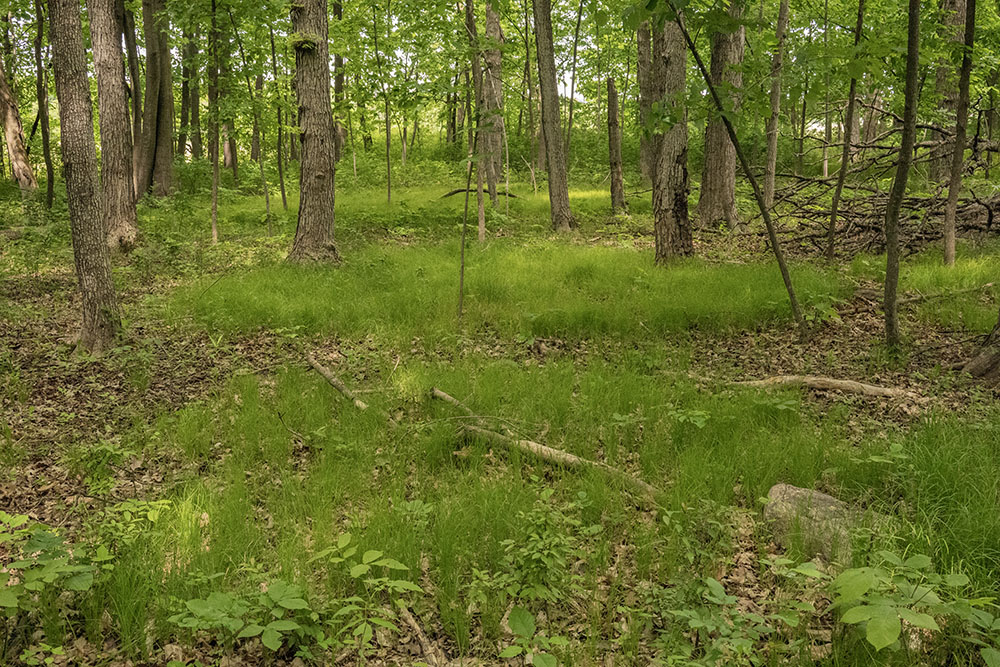
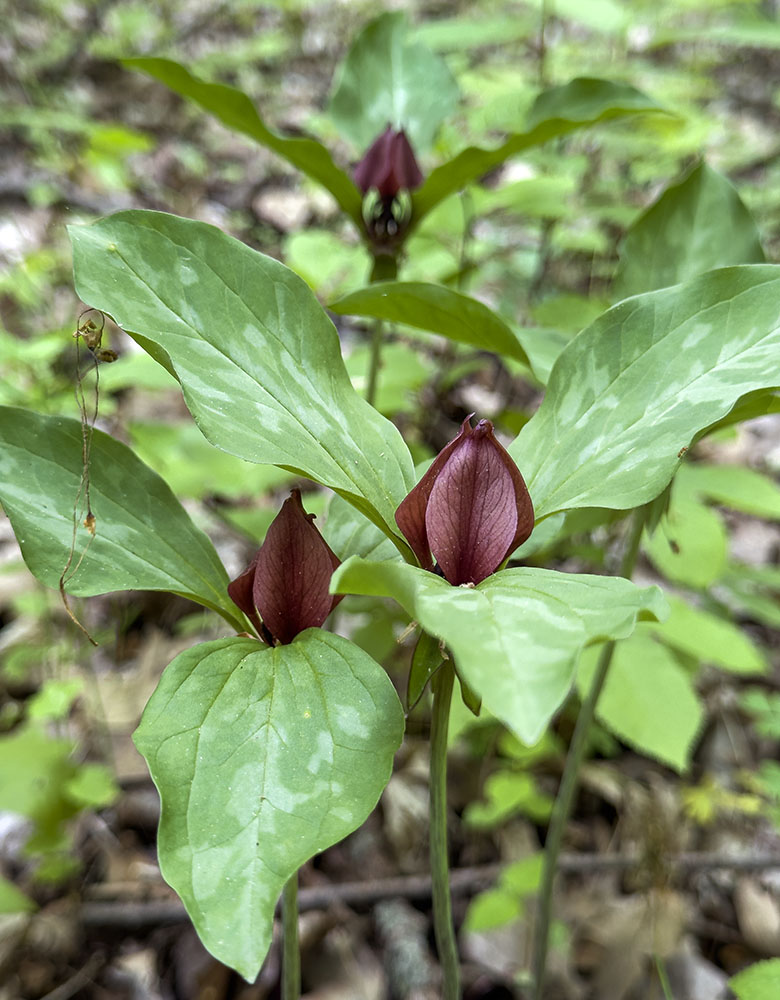
The pink ribbons are his way of keeping track of his route as he proceeds through the trackless forest, imposing a kind of order where wildness prevails. We walk together for a while then part ways, he to continue his never-ending battle in a familiar forest, me to explore one new to me. Before long, dense undergrowth gives way to an open understory, which makes walking through a trackless forest almost as easy as walking across a lawn, except for the occasional log to climb over or fallen tree to step around.
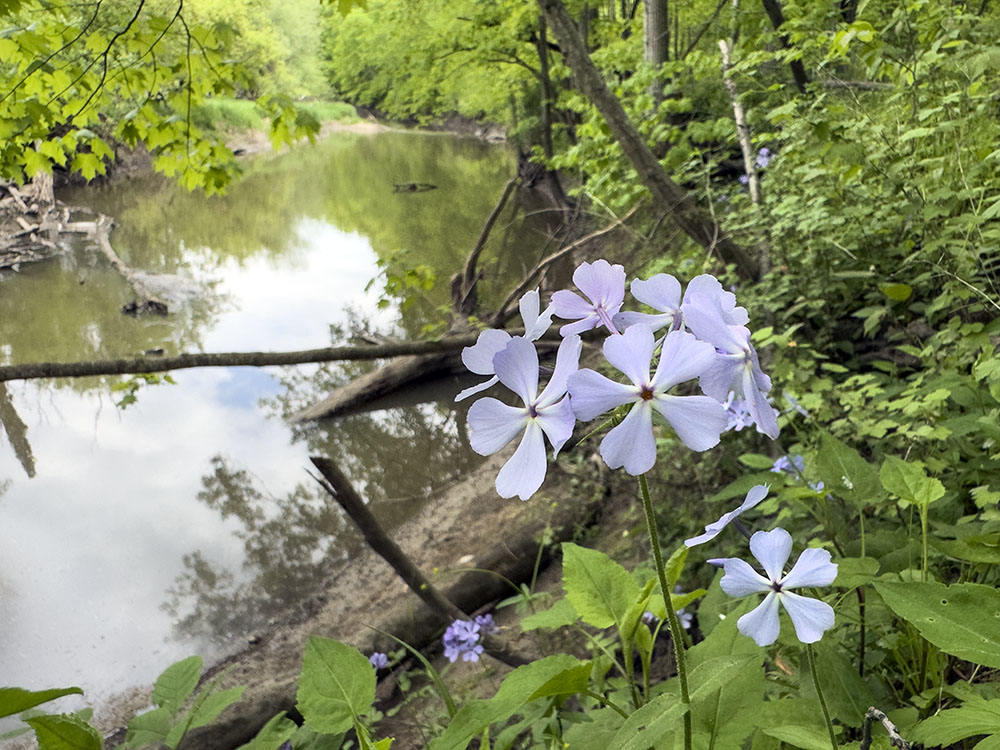
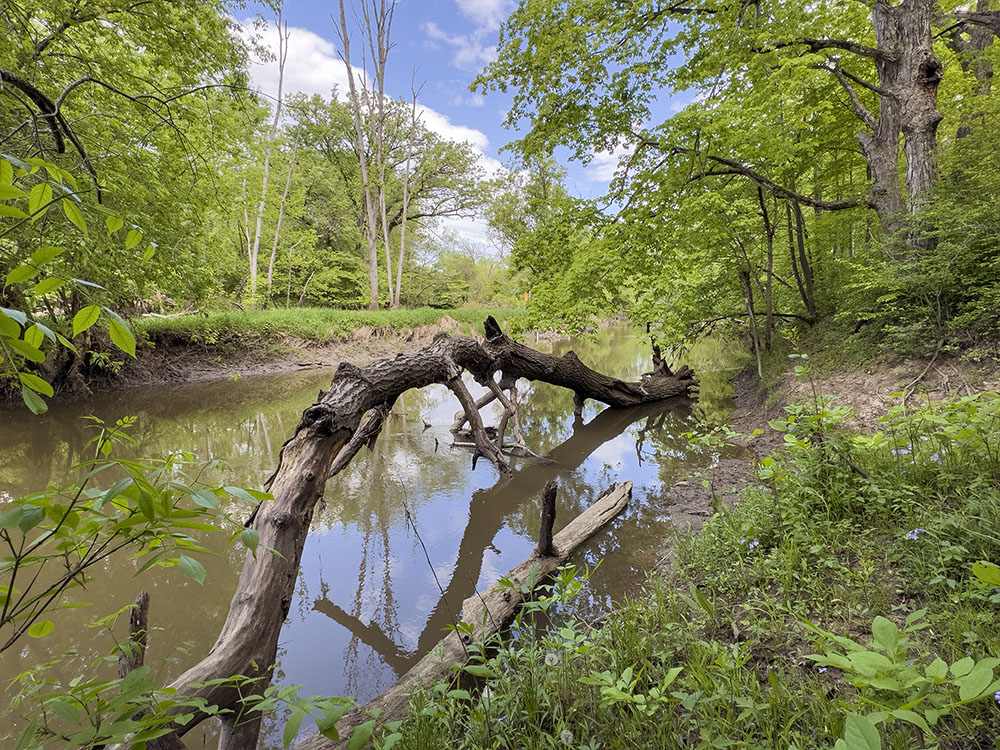
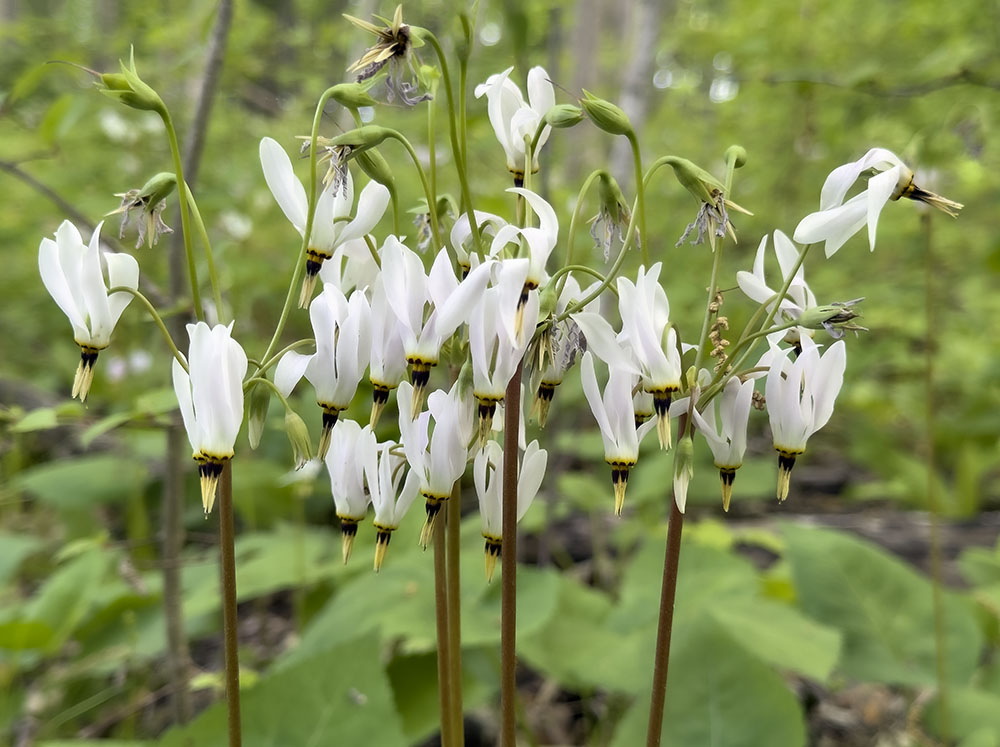
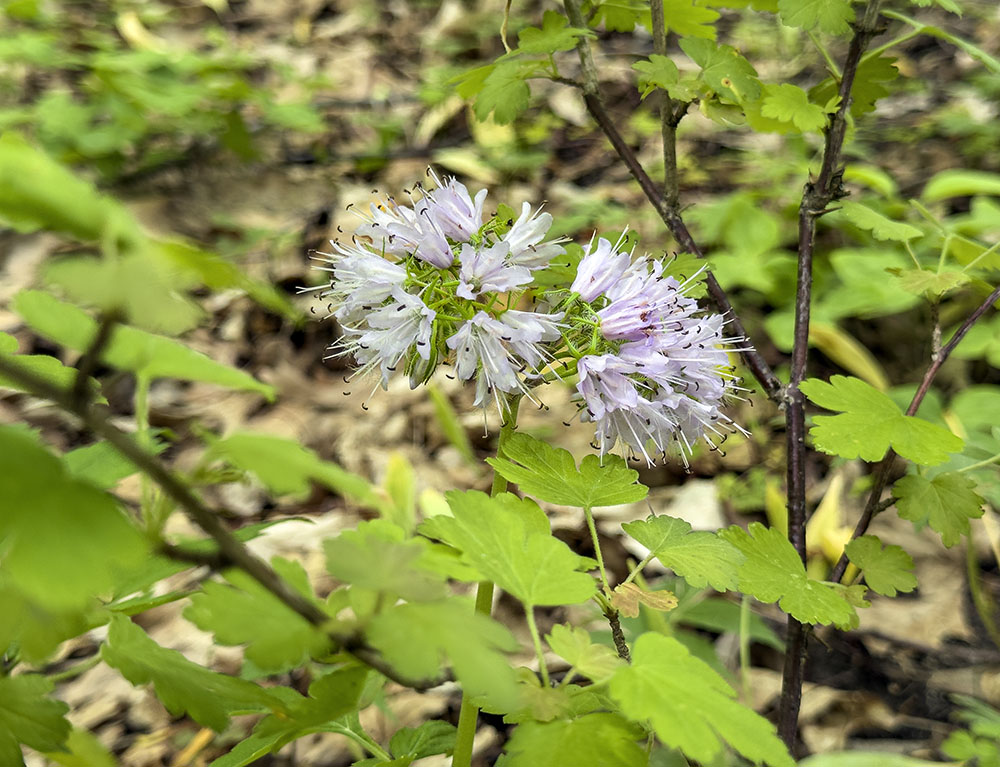
I head northwest, which is where Ken has said I’ll run into the Root River. When I get to the steeply eroded riverbank I find it adorned with a plethora of wildflowers, native phlox and shooting stars predominant. A rudimentary trail appears, following the top of the bank. It hasn’t been used regularly in ages, though. Here and there it vanishes into a thicket or drops off the edge of the crumbling bank. I scramble down the side of a ravine that cuts into the riverbank. Dark umber mud at the riverside is deeply etched with a multitude of hoof prints where deer have come to drink. I climb back up the far side of the ravine, keeping an eye out for the deer or other wildlife, willing the feeling of wilderness to reassert itself.
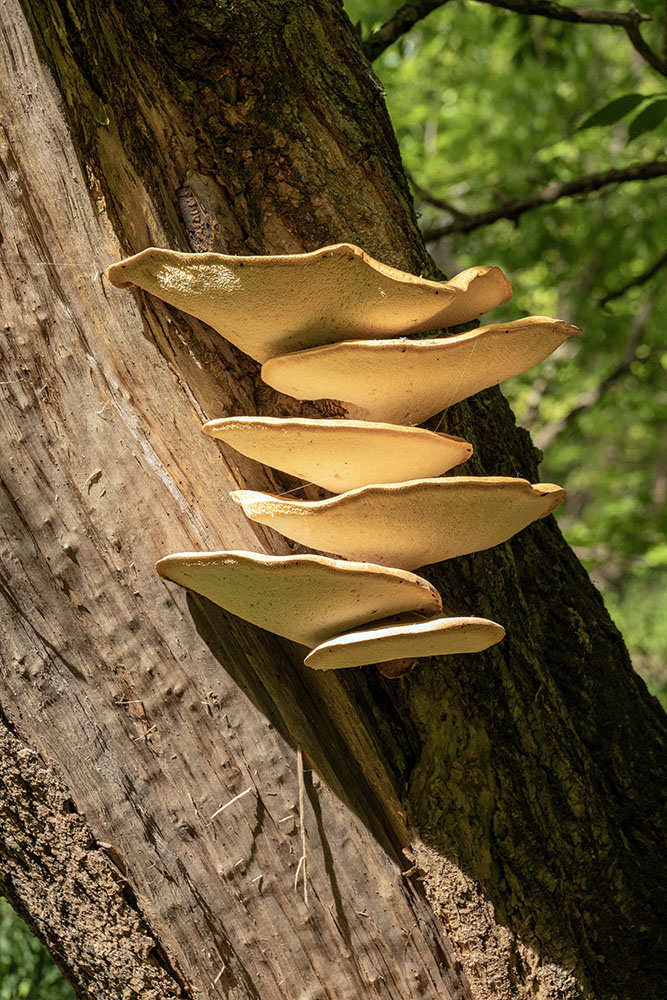
Then, poof! Once again my reverie is abruptly dispelled when I glance towards another small ravine to find someone crouched down studying the exposed riverbank. Even more surprising, it isn’t a random stranger, but someone I know! It takes a moment to recover from the shock, as we both look at each other in quizzical disbelief. Halley is a Restoration Ecologist with Milwaukee County Parks, which makes her presence here in the wilderness marginally less shocking. She tells me that she has observed rusty patch bumblebees in the forest and is searching for a nest. If there is one, it would be quite a boon for the threatened species and critical evidence of the value not only of forest preservation, but also of keeping it undeveloped; wild.
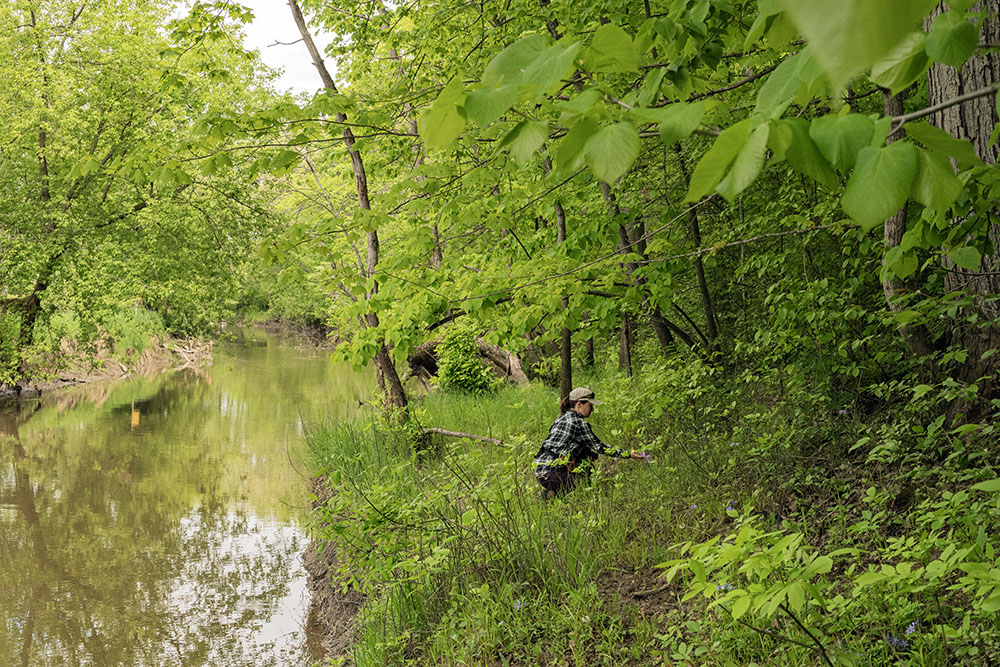
We walk a short way together. Suddenly she stops to point out a fox squirrel scampering along a downed tree. I would have mistaken it for an ordinary red squirrel like the ones in my yard if not for her educated eye. Fox squirrels are the largest squirrel species in North America and rarer than the common red or grey ones. Another indication of a healthy forest. It is gone before I can raise my camera. Halley and I also part ways just before I reach the northern edge of the forest.
I emerge onto an enormous field. Although there is no road at this edge, it is as straight and uniform on its three visible sides as if there were. Whatever crop was planted here has vanished, replaced by random weeds for now—mostly acres of solid clover in full bloom. The big surprise is the presence of more people! Three tiny figures in the distance wearing reflective vests and carrying sprayers similar to the one Ken was using. A pickup truck stands nearby. I walk over and learn that they are spraying invasive thistles. Glancing around, I can clearly make out patterns of artificial-looking teal green stain that the herbicide creates among the natural olive and yellow greens of untouched vegetation.
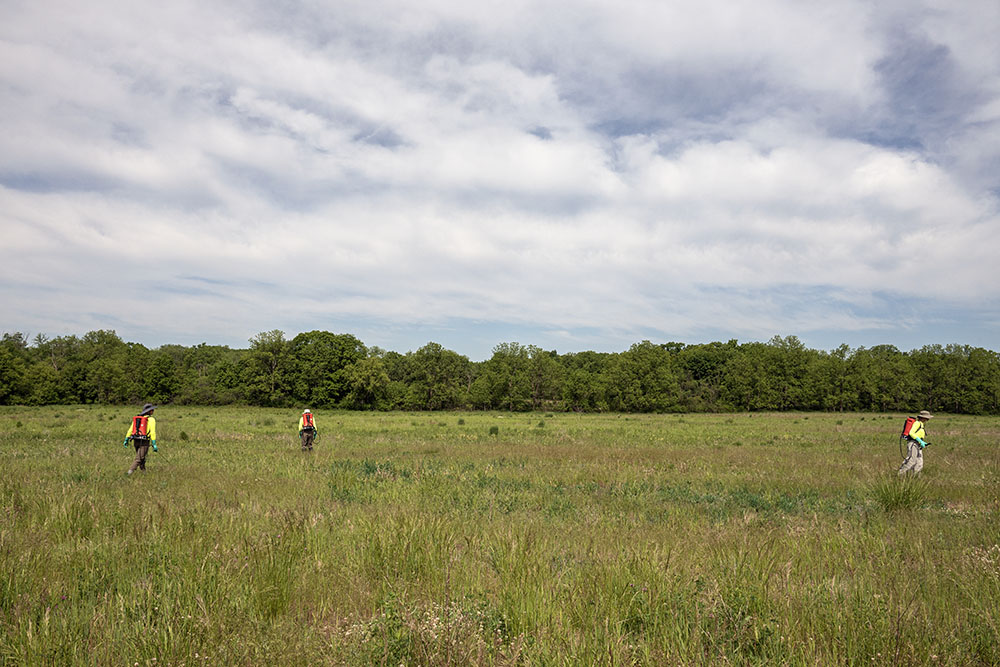
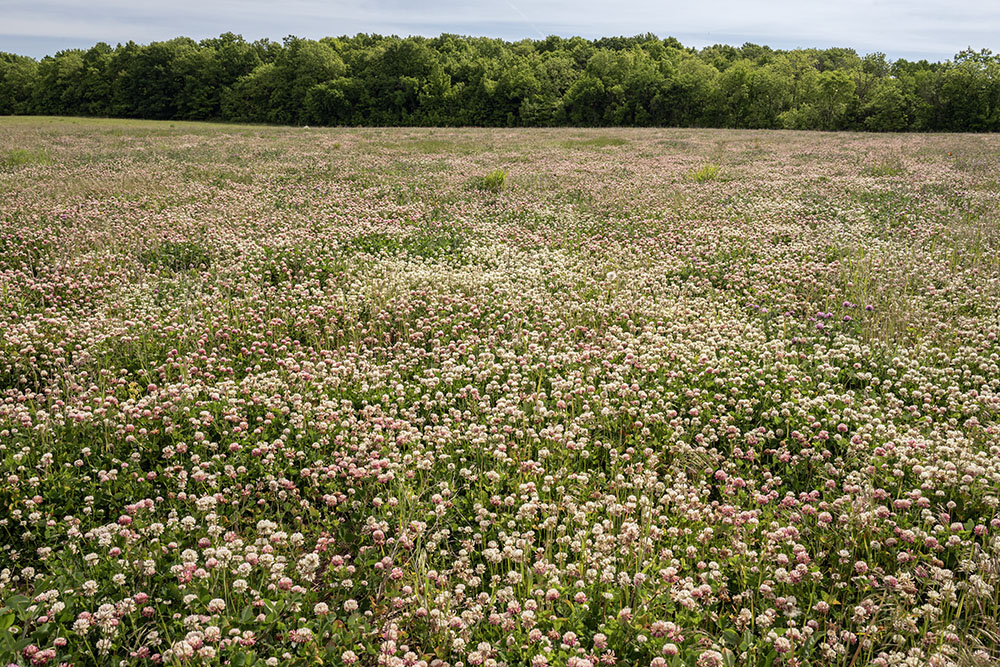
The entire 60-acre field is being restored with native prairie plants using a seed mix of native prairie grasses, sedges, and wildflowers. Once they take root, instead of corn or soybeans the burgeoning prairie will feature New England aster, shooting star, Virginia wild rye, brown fox sedge, wild bergamot, Culver’s root, Ohio spiderwort and showy goldenrod, among other things appropriate for a prairie. Prior to the advent of farmers’ plows, this may have been its original character. What once was suppressed is being resuscitated.
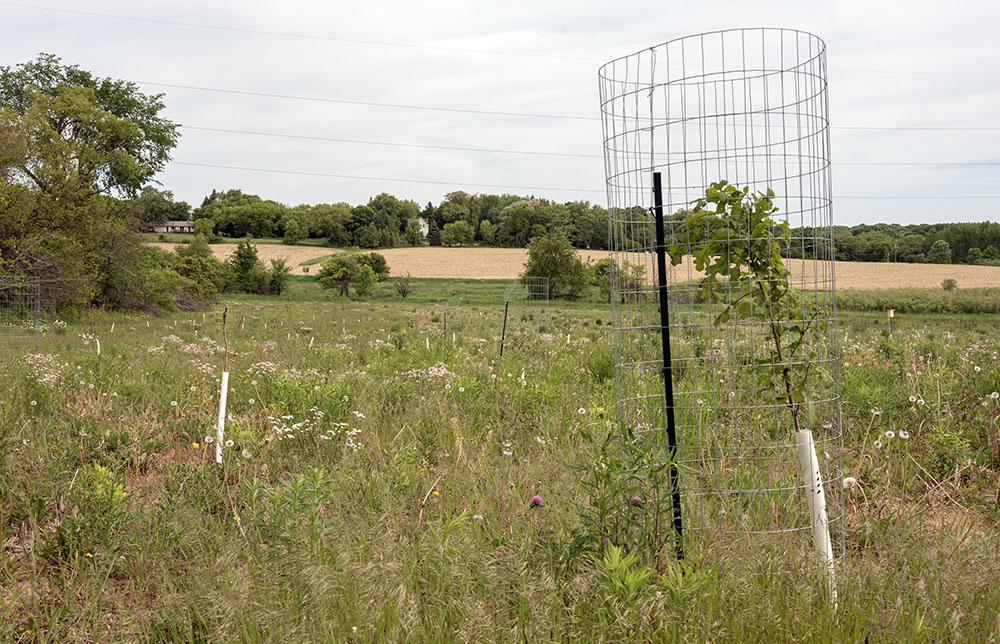
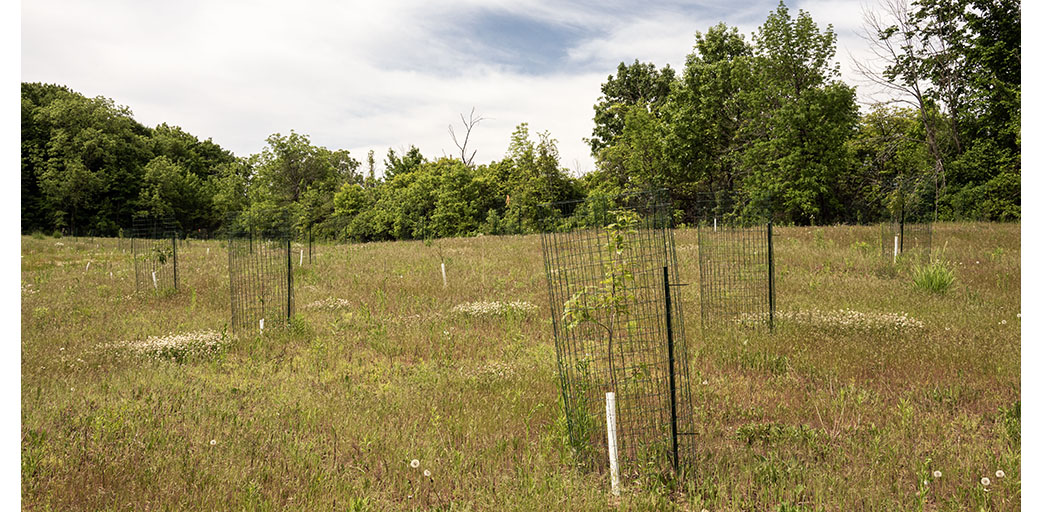
Farther north I come to two smaller fields that are also in the process of being restored. Here trees have been planted in order to expand the size of the adjacent forest, more than doubling its twenty-six acres. Tree species such as oak, serviceberry, hazelnut, elderberry, pecan, and redbud will diversify the existing forest, dominated by maple and basswood. An aerial view of this portion of the Root River Parkway shows a patchwork of neat rectangles alternating between forest and field. In a few years, however, some of the lines will have blurred and something more akin to wilderness reestablished. Since colonial times, we have been thoroughly hammering the wilderness into civilization. It is essential that we carve a bit of it back into existence where it is still possible. Leopold also said, “Wilderness is a resource which can shrink but not grow.” I don’t think he’d mind being proved wrong.
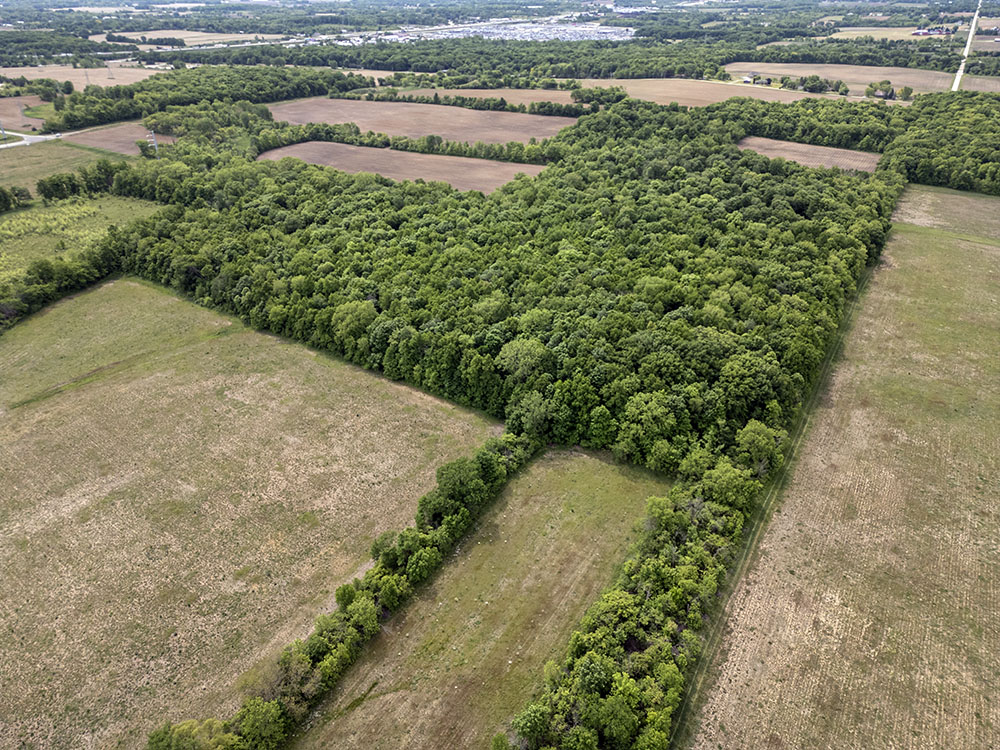
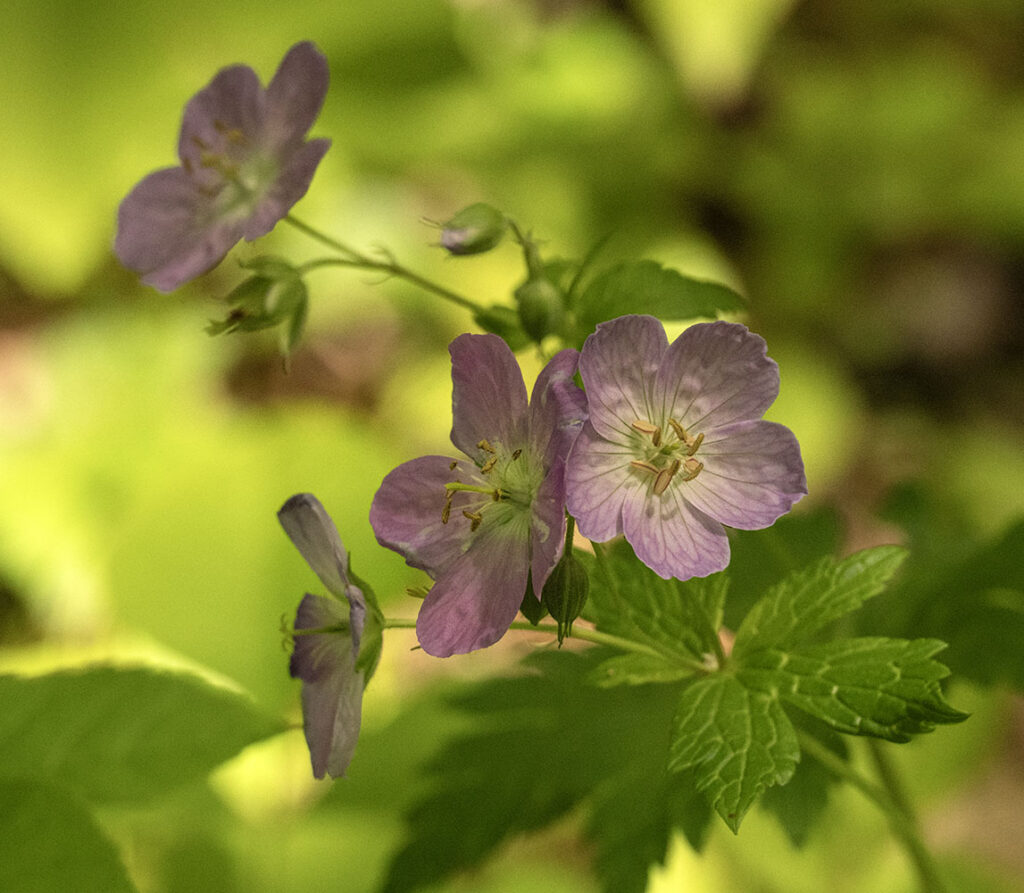
As I said, the southern end of Milwaukee County is unlike the rest of it. While much of the surrounding private lands are still being broken up into residential subdivisions, here in protected parkland is a new frontier. Here in the remotest corner of the county we are recreating natural landscapes with native vegetation. Let’s call it wilderness. I call it progress.
Note: Spraying is one of many tools used to manage natural areas in Milwaukee County Parks; it is not permitted by unauthorized individuals. This story involved two visits to the Root River Parkway that were combined to create a more cohesive narrative.
For more information about the Root River Parkway go to our Find-a-Park page.
Related stories:
Where is Milwaukee’s Remotest Point?
The constant lure of adventure: Kayaking a surprisingly wild urban river
Honey Creek Wildlife Area: A Winter Wilderness Revealed
Jackson Marsh Wildlife Area: Degrees of Wilderness … and Solitude
Eddee Daniel, writer/photographer, is a board member of Preserve Our Parks, the Project Director of A Wealth of Nature, and editor of The Natural Realm blog. All photos by Eddee Daniel.
The Natural Realm blog is part of A Wealth of Nature, which is a program of Preserve Our Parks. Milwaukee County Parks is a project partner of A Wealth of Nature.
About Preserve Our Parks
Preserve Our Parks, Inc. is an independent nonprofit organization dedicated to the preservation of parks and green spaces. Our mission: To advocate for and promote Milwaukee area parks and open spaces and to strive to protect the tenets of Wisconsin’s Public Trust Doctrine.
For more than 25 years, we have been a leader in advocating for the protection of Milwaukee County park lands, halting many proposals to develop, privatize, or sell local parkland and lakefront spaces. More information about POP, including past accomplishments, is available at www.preserveourparks.org.
3 thoughts on "Root River Parkway: Recreating Wilderness!"
Comments are closed.
Great story… thanks for sharing your experiences and knowledge!
Wonderful story Eddee, it is good to see preserved landscape in this densely populated county, I hope we can keep it. Shout out to Ken! He has helped so many Friends groups with our work in removing invasive plants. And for good measure, shout out to Ken’s wife, Deb who keeps me fit with Tai Chi! A wonderful exercise technique fit for outdoor parks.
I’ve been out there with Ken a couple of times, removing buckthorn. He’s been a role model to me in removing invasives. It’s so nice you covered this secret area of Milwaukee County.