

Developing hyperscale data centers shouldn’t involve sacrificing our last wild places
July 19, 2026 | Topics: Issues, Spotlight
By Tom Stolp, Restoring Lands Executive Director
Introduction and photographs by Eddee Daniel
Introduction
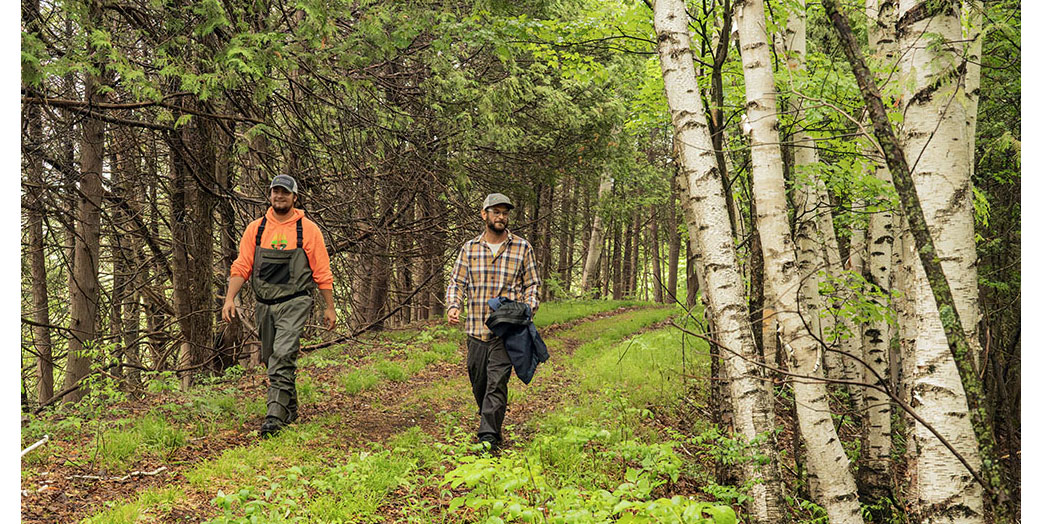
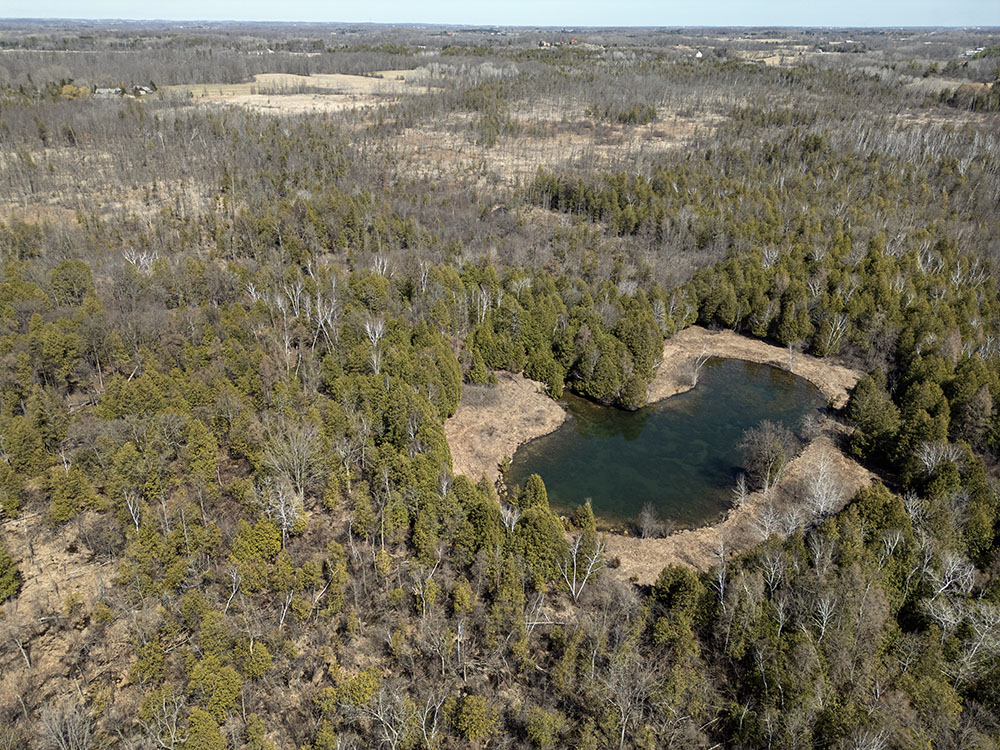
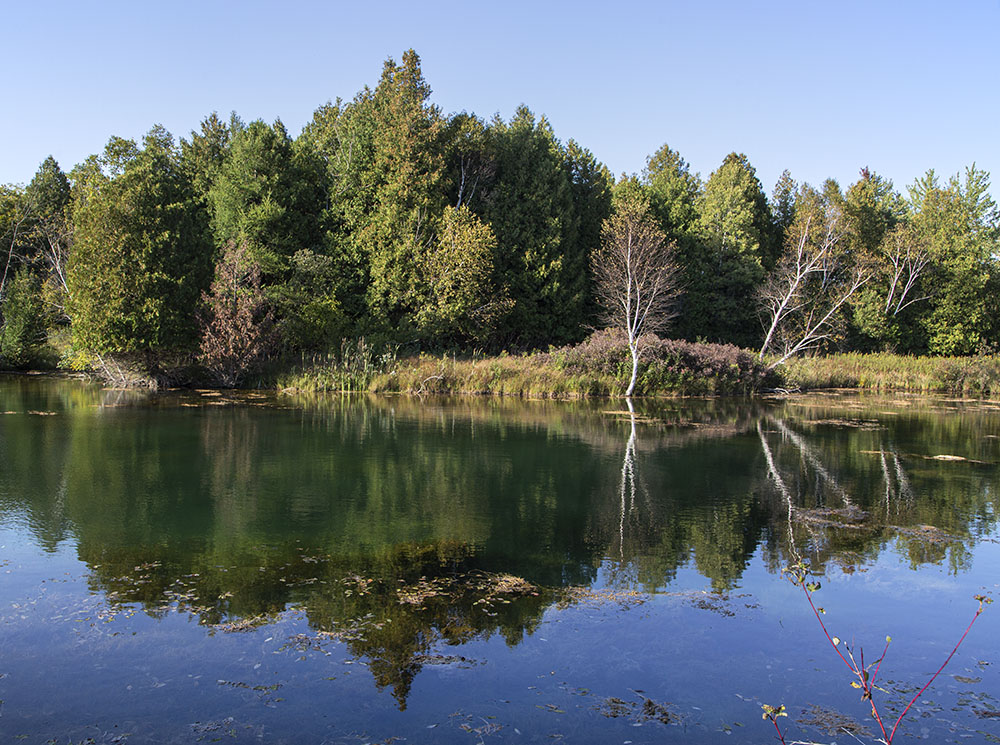
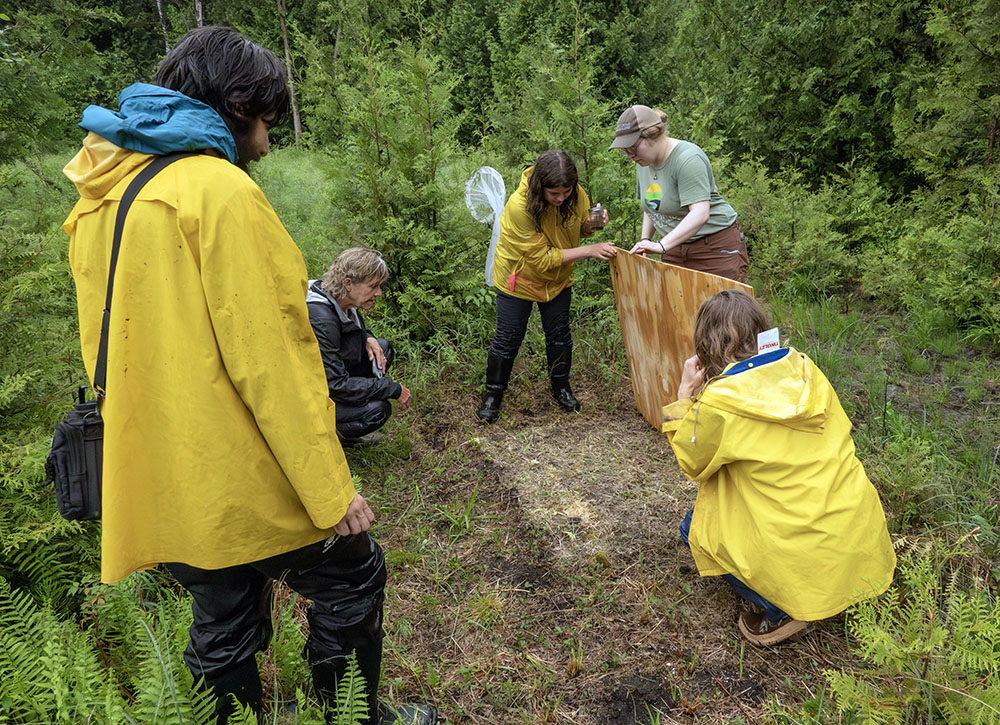
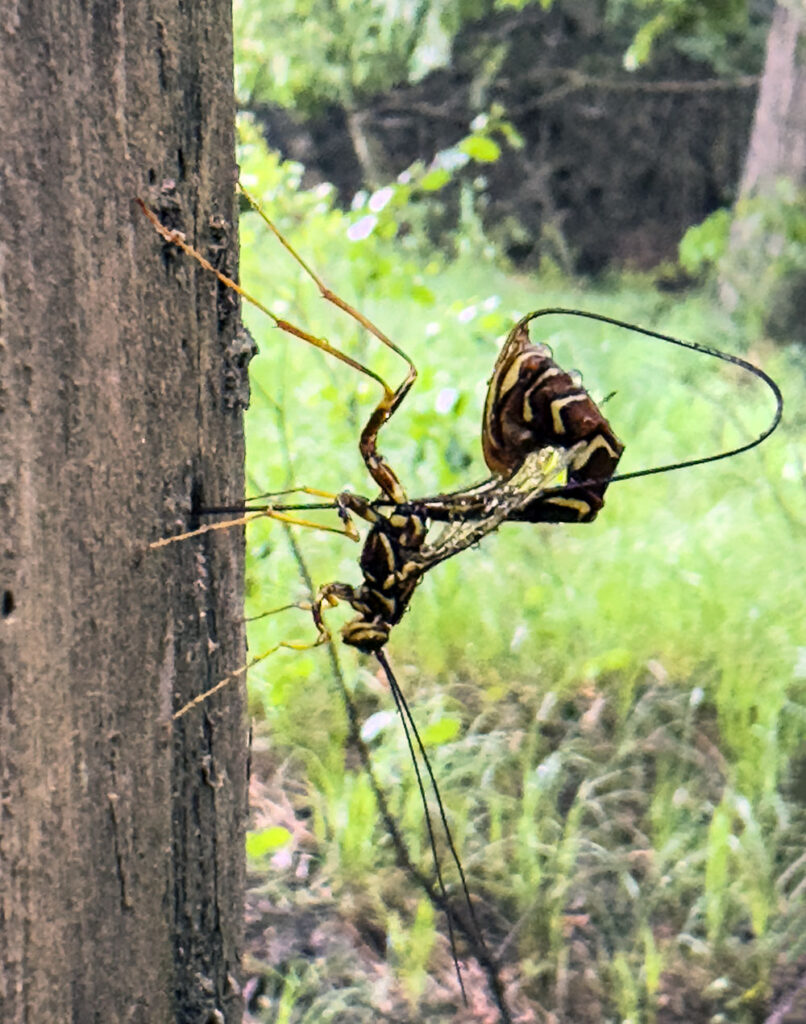
The massive data centers being built across the nation to serve the burgeoning AI industry have become increasingly controversial as their enormous negative impacts on the environment and on communities come into greater public awareness. This guest editorial by the executive editor of one of Wisconsin’s leading land trusts deals with the somewhat less well-publicized aspects of the issue: routing new power lines for the vast amounts of electricity these data centers require. The route preferred by the American Transmission Company to supply the Port Washington data center, which is not the only possible route, would plow a 150-foot-wide corridor through County Line Preserve (among other places), one of Restoring Lands’ protected properties. In order to better understand what this would mean to biodiversity, Restoring Lands conducted a bioblitz on June 5, 2026, to identify species currently present on the site. Most of the photographs that accompany this story were taken during the bioblitz. They represent a small sampling of the plants and animals recorded. ~ Eddee Daniel
Editorial by Tom Stolp
Wisconsin communities have been thrust into fast-paced, often behind-the-scenes negotiations regarding hyperscale data centers and their required energy infrastructure when we really need to have a frank conversation about this emergent sector and its impacts on our communities.
The closest we’ve come to a frank conversation is now hurriedly unfolding via a highly technical evaluation at the Wisconsin Public Service Commission (PSC), which is reviewing a proposed 123-mile high-voltage transmission line by American Transmission Company to serve the Port Washington data center.

If approved, the project would affect hundreds of acres of high-quality natural areas—lands protected, restored, and carefully stewarded over decades. These places support biodiversity, improve water quality, and provide meaningful access to nature. Their loss and fragmentation would be significant.
Based on American Transmission Company’s application, there is little evidence that permanently conserved lands, wildlife habitat, or conservation data were central to route selection.

To defend the integrity of these lands and ensure the PSC relies on the best available science, Restoring Lands (formerly Ozaukee Washington Land Trust) has formally intervened in the proceeding. We have engaged legal counsel, retained PhD-level scientists, and conducted fieldwork so these lands that you’ve helped us preserve for future generations are treated with the seriousness the law—and science-based decision-making—require.
A final decision on transmission routes is expected in late fall 2026. In the meantime, one aspect of process centers on the draft Environmental Impact Statement (EIS), which is intended to inform decision-makers before choices are made.
Unlike ATC, the public agencies who prepared the draft EIS proactively identified the conserved lands that may be affected by the transmission line. They also acknowledged protections that are built in to protect conserved lands and limitations on development. Kudos to the PSC and DNR for their work.

While we appreciate the diligence of public agencies in preparing the EIS, key aspects of the Draft EIS nonetheless understate the scale and magnitude of impacts—especially along the Southern Preferred and Preferred Contingent routes advocated by American Transmission Company.
Too often, the EIS describes impacts as things that “may” happen, when many WILL happen if the project proceeds.
Clearing a 150-foot-wide corridor through forest WILL fragment ecosystems. Installing transmission towers approaching the height of the Statue of Liberty WILL permanently alter rural landscapes. These are not possibilities—they are outcomes.

This distinction matters because the routes cut through some of the largest remaining intact and permanently conserved natural areas in southeastern Wisconsin. These are not interchangeable acres. Forests and forested wetlands, once cleared, do not return to their prior condition.
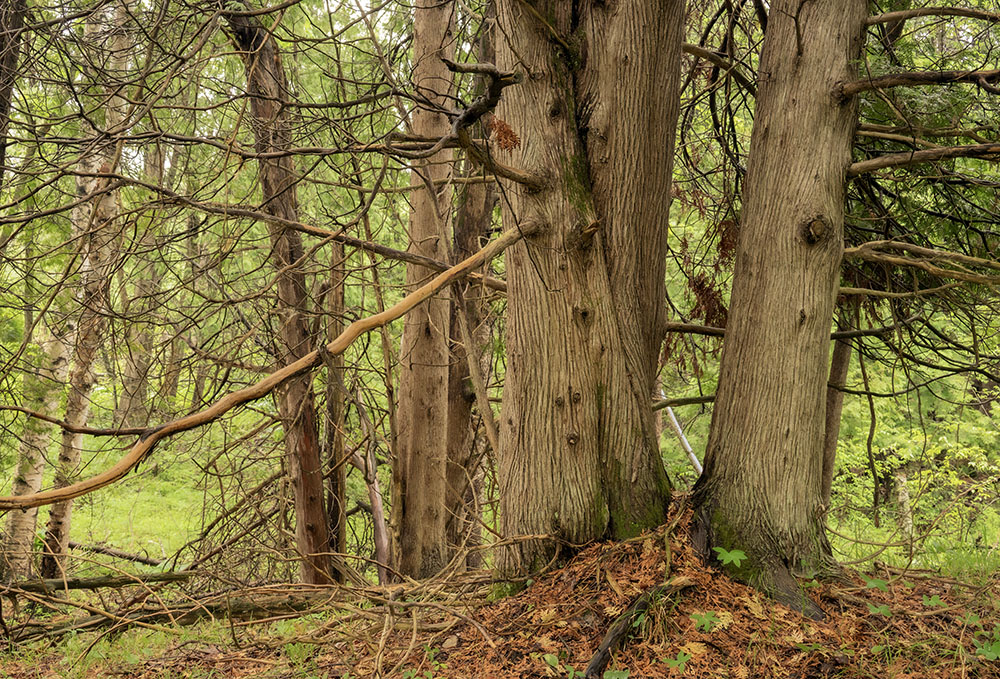
The EIS also indicates mitigation is available, but not all mitigation will work. For example, the EIS suggests forested wetlands could be “remediated” into open systems. Converting forest into open systems is not “remediation.” Once trees are removed, invasive species often take hold, hydrology changes, and unique habitat is lost.
Some impacts cannot be mitigated at all.
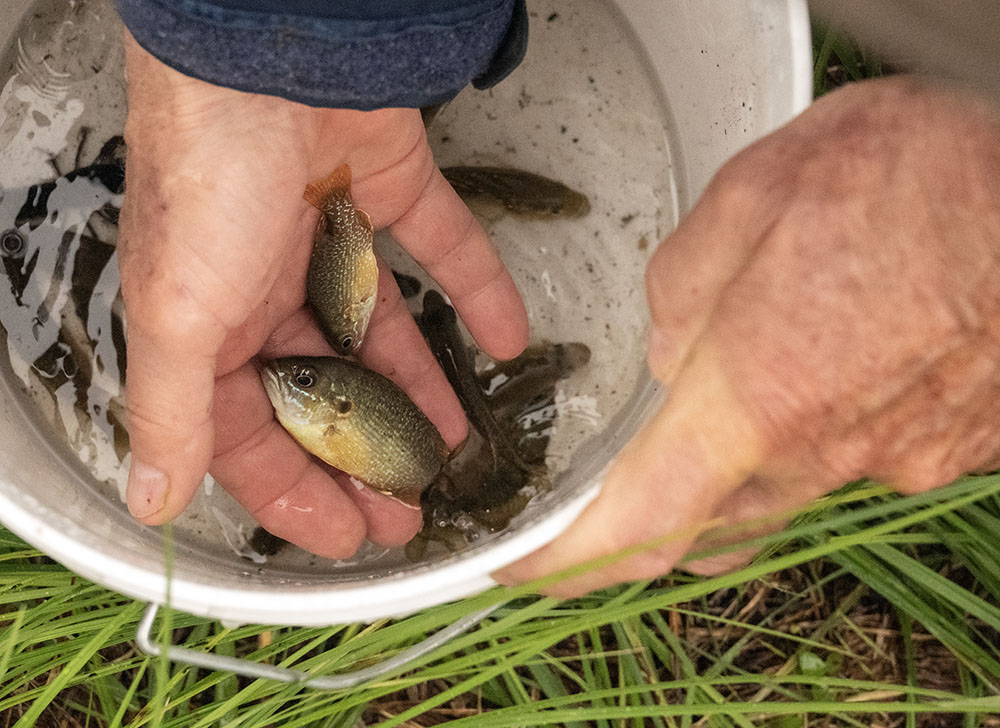
Fragmentation affects sensitive wildlife species—from cerulean warblers to spotted salamanders to bobcats—that depend on large, unbroken habitats. The draft EIS focuses on avoiding direct “take” or actions that will directly result in death of wildlife, but gives insufficient weight to habitat loss, the primary driver of species decline.

The human impact also deserves greater attention. Lands such as Riverbend and County Line Preserves are open for hiking, hunting, birdwatching, and quiet recreation. Many are protected through conservation easements and public programs like the Knowles-Nelson Stewardship Program. These values are not incidental—they are the reason these lands were protected.
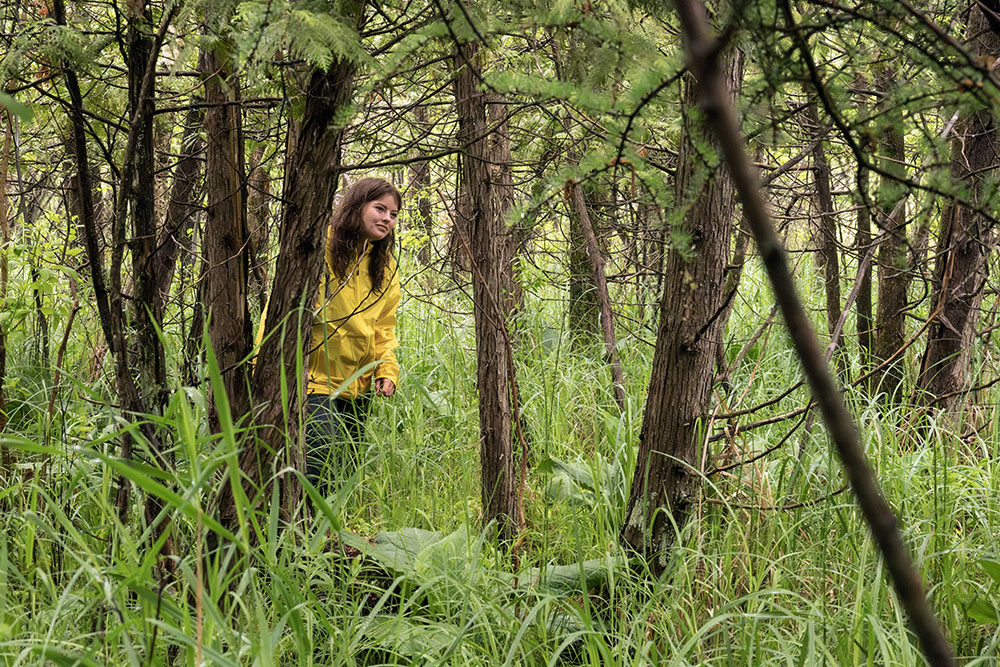
The EIS notes that impacts to endangered species are “harder to compare” between routes. It also fails to discuss future phases of the project that even ATC admits may be forthcoming, as cumulative impacts. Where such uncertainty exists, the answer should be more study, not less clarity.
There is time for that study—at least for this project. The PSC will take testimony from parties to the case like Restoring Lands, as well as citizens via public comment, later this summer and fall, before making its final decision.

While state agencies are empowered to reject the ATC project if it fails to meet required criteria, they shouldn’t have to reinvent the wheel of wilderness inventory and protection with every new data center-related development. As this case illustrates, this kind of piecemeal review risks missing issues and the full magnitude of impacts.
We offer two recommended reforms to ensure at least a baseline level of protection for our community’s conservation values going forward:
First, Wisconsin should follow Pennsylvania’s lead. In 2018, Act 45 strengthened that state’s Eminent Domain Code by requiring courts to determine that no reasonable alternative exists before conserved land can be taken. Wisconsin should similarly treat conserved lands as a last resort—not as open space awaiting development.
Second, to mitigate the loss of habitat and preserve rural character and outdoor recreation traditions, any conversion of natural or agricultural land should be offset by permanently conserving acreage of equal or greater conservation value.
Such reforms, whether legislative, regulatory, or voluntary, would better ensure community-informed decisions that acknowledge permanent impacts and account for cumulative effects, especially amid uncertainty about what comes next.


For more information or to support the ongoing effort please visit the Restoring Lands website.
To see additional photos from the bioblitz at County Line Preserve go to my Flickr album.
This story was first published as an editorial on the Restoring Lands blog on June 16, 2026. This slightly edited version is being reprinted with permission and with added photographs. Restoring Lands is a project partner of A Wealth of Nature.
Tom Stolp is the Executive Director of Restoring Lands: A Wisconsin Land Trust. Eddee Daniel, writer/photographer, is a board member of Preserve Our Parks, the Program Director of A Wealth of Nature, and editor of The Natural Realm blog.
The Natural Realm blog is part of A Wealth of Nature, which is a program of Preserve Our Parks.
About Preserve Our Parks
Preserve Our Parks, Inc. is an independent nonprofit organization dedicated to the preservation of parks and green spaces. Our mission: To advocate for and promote Milwaukee area parks and open spaces and to strive to protect the tenets of Wisconsin’s Public Trust Doctrine.
For more than 25 years, we have been a leader in advocating for the protection of Milwaukee County park lands, halting many proposals to develop, privatize, or sell local parkland and lakefront spaces. More information about POP, including past accomplishments, is available at www.preserveourparks.org.
3 thoughts on "Developing hyperscale data centers shouldn’t involve sacrificing our last wild places"
Comments are closed.
Data centers sound like an absolute nightmare!
Please keep us posted on ways we can help protest.
In addition to the already stated issues with data centers, there is a real possibility of them affecting the local climate. According to David Petering, UWM Distinguished Professor of Chemistry and Biochemistry, cooling the data centers with water results in lots of HOT water. Cooling that,in turn, with giant fans puts a column of super heated air into the atmosphere over the data centers that can reach 250 ft high and spread 3 miles around. We don’t know how that will affect local conditions for residents or the movement of weather through those areas.