

BioBlitz at Wehr Nature Center: A treat for all ages!
July 13, 2026 | Topics: Events, Places
By Eddee Daniel
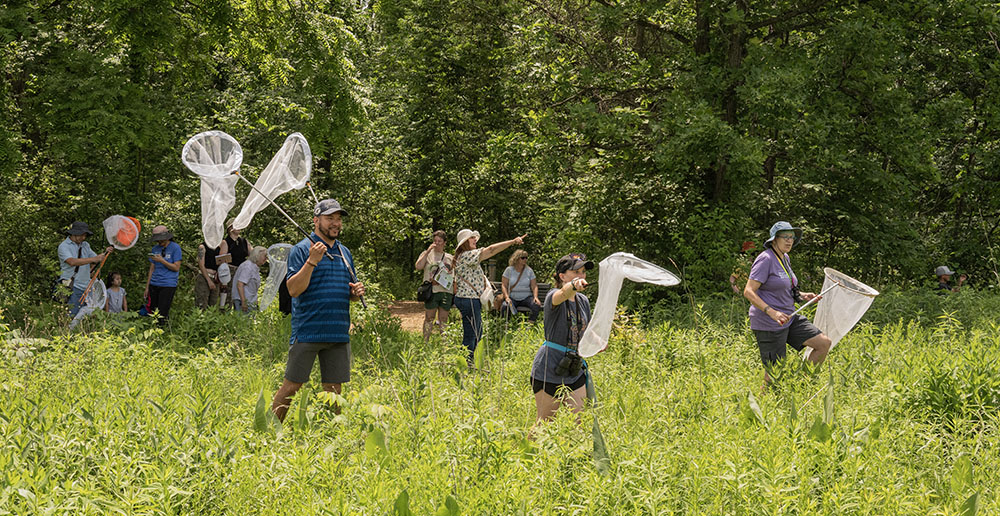
A BioBlitz is an effort by scientists, naturalists, and nature enthusiasts to find and identify as many species of plants and animals in a given area within a given time frame. At a recent BioBlitz at Wehr Nature Center, however, the general public was also invited to participate, not only in the search but in a variety of fun and engaging nature-themed activities and educational opportunities. And because it was a beautiful day, people of all ages turned out in droves!
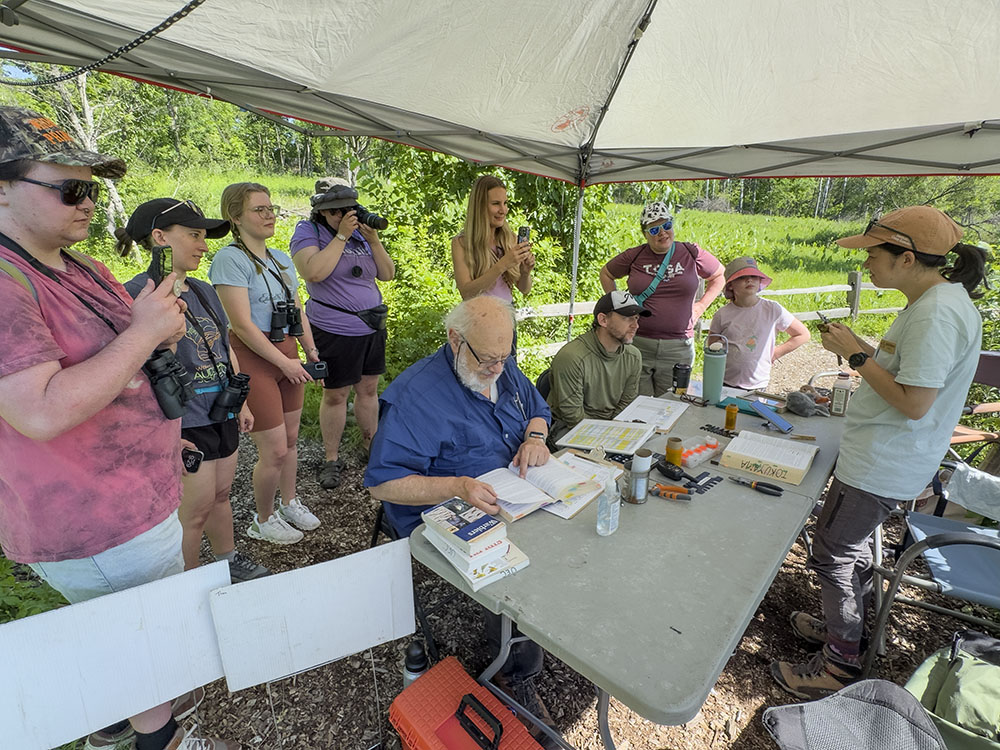
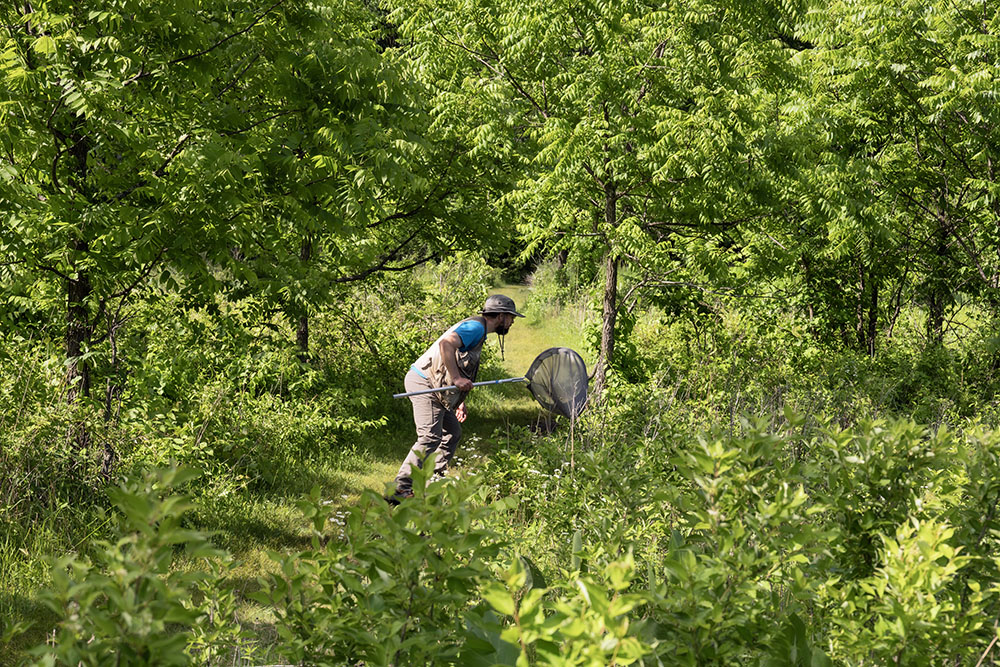
For the serious surveyors, the action began precisely at 3:00 pm on Friday, June 12, and ended at 3:00 on Saturday. The 24-hour period is standard for the annual BioBlitz organized by the Milwaukee Public Museum—which takes place in a different location each year. This was the 11th annual MPM BioBlitz and, being so well-established, it attracts scientists and species specialists from all over Wisconsin. While Wehr Nature Center is open every day, most of the public activities associated with the BioBlitz took place from 10:00 am to 3:00 pm on Saturday.
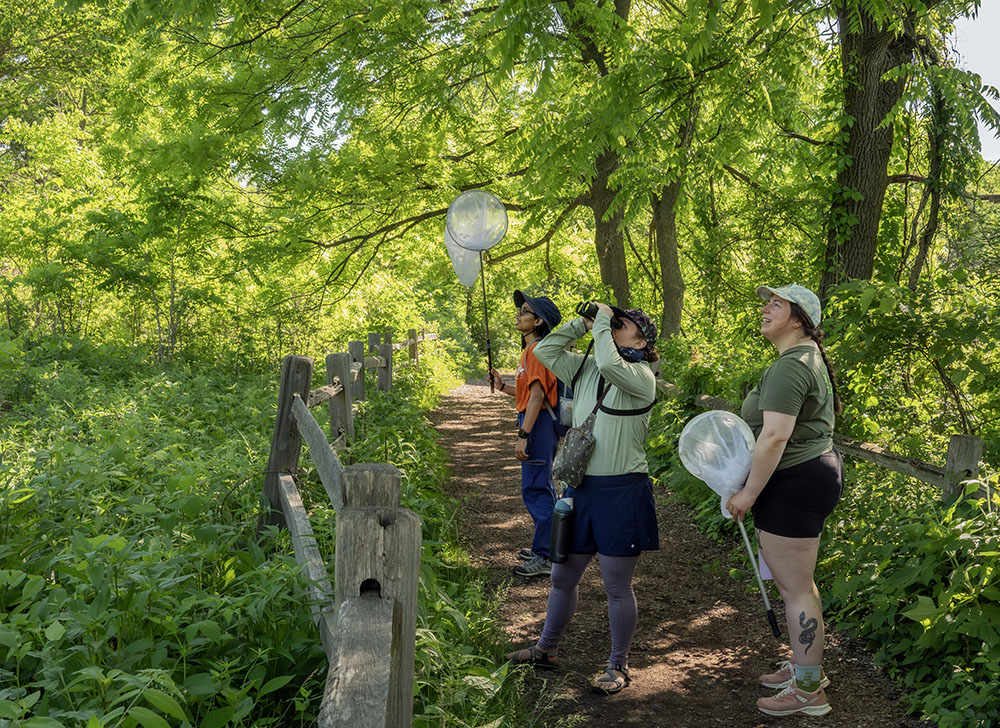
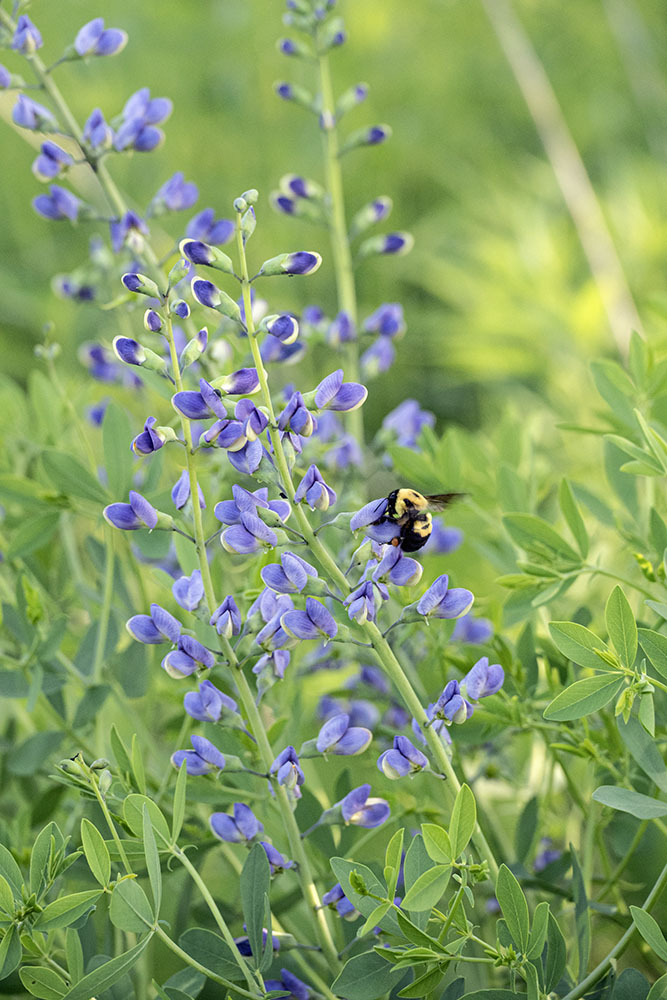
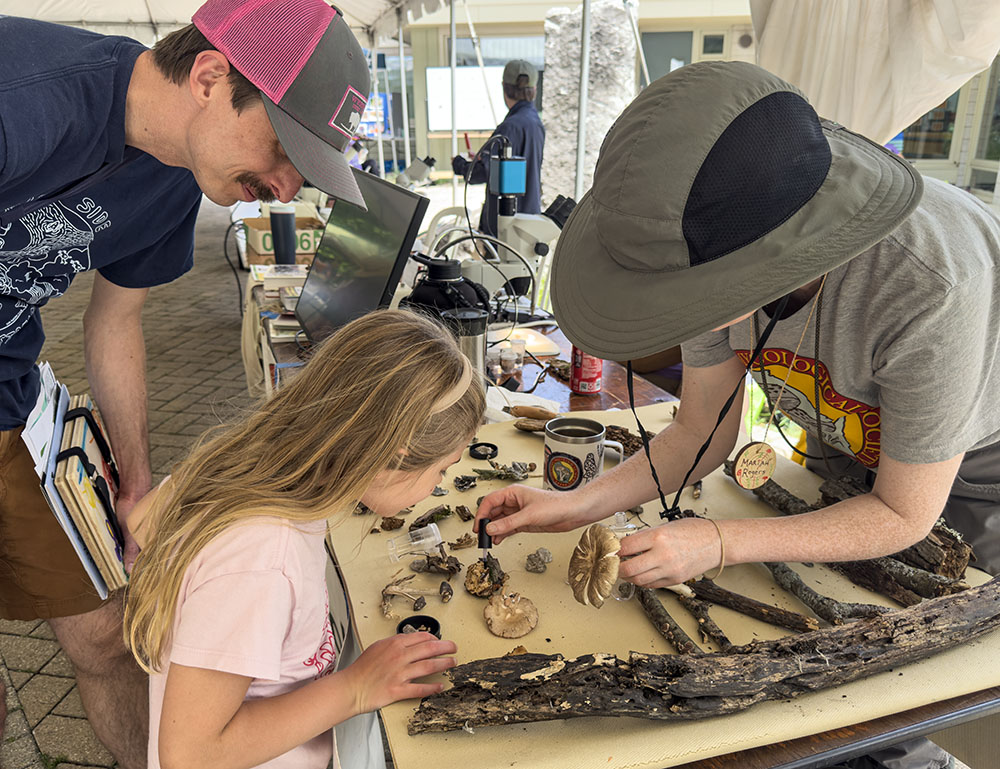
“Wehr Nature Center views the BioBlitz as much more than a 24-hour species count,” said Brooke Gilley, Wehr Nature Center’s Park Naturalist & Interpretive Media Coordinator. “The event provides a unique opportunity for community members to meet and join scientists in the field. Through hands-on activities and experiential learning, families and visitors can deepen their understanding of the natural world while inspiring future generations of scientists and environmental stewards.”
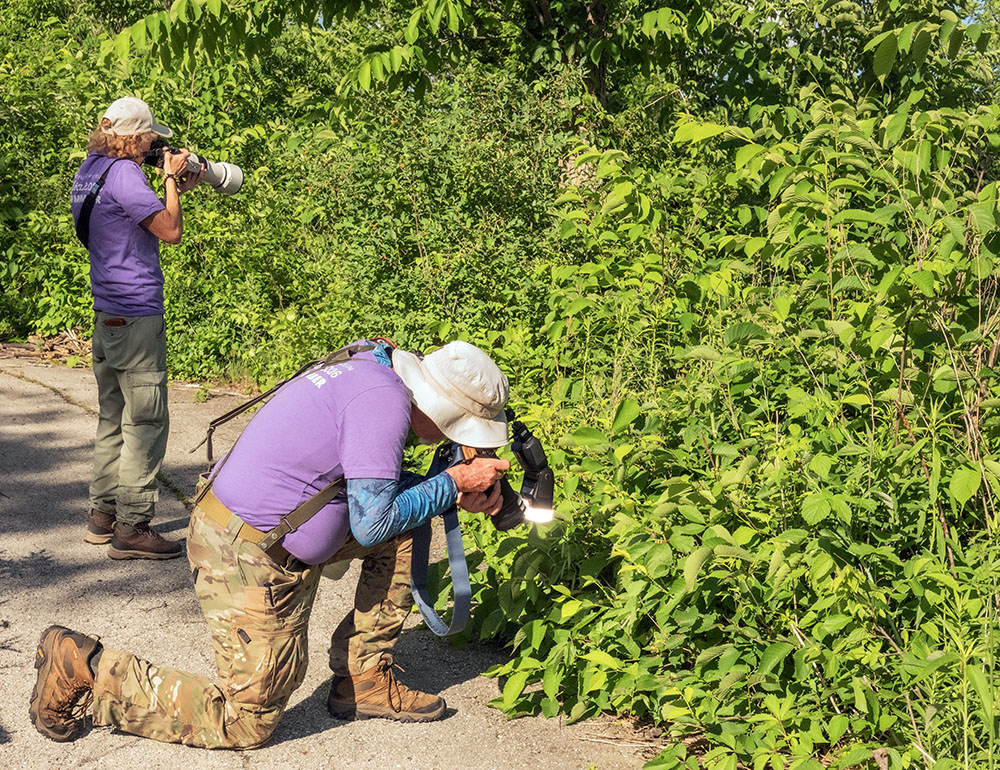
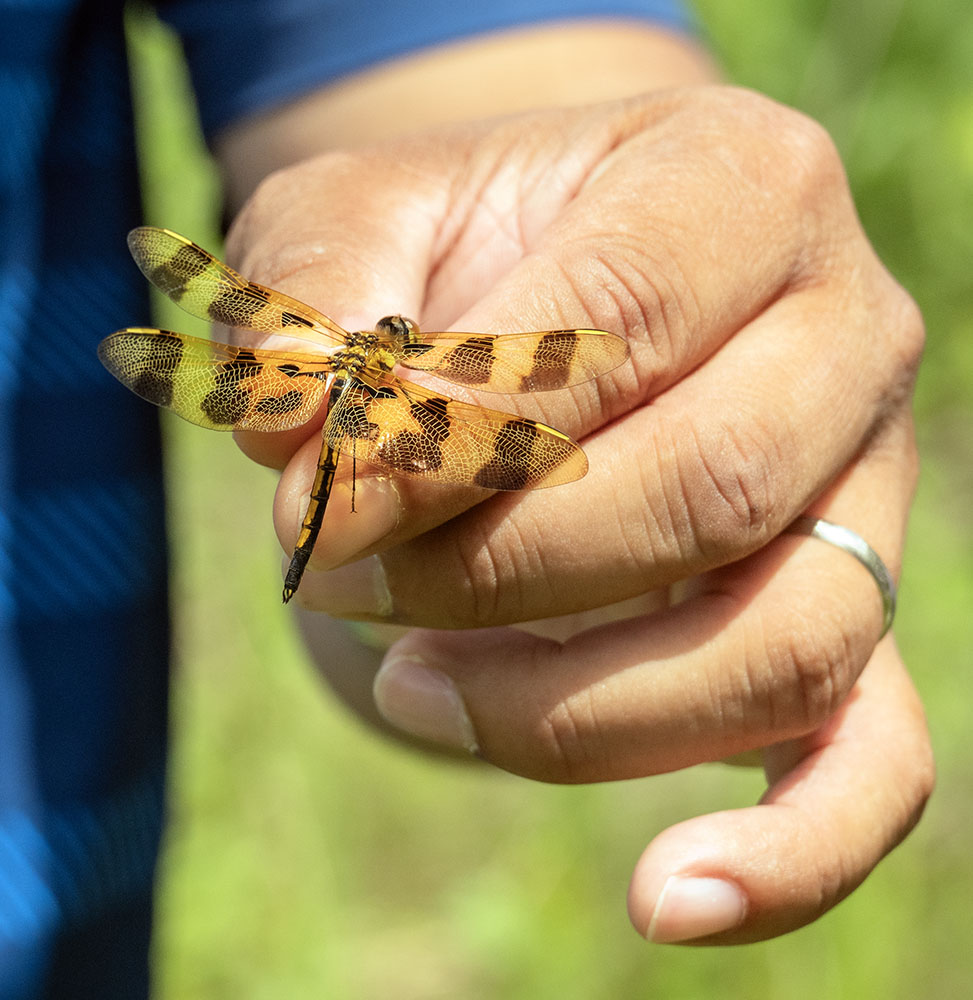
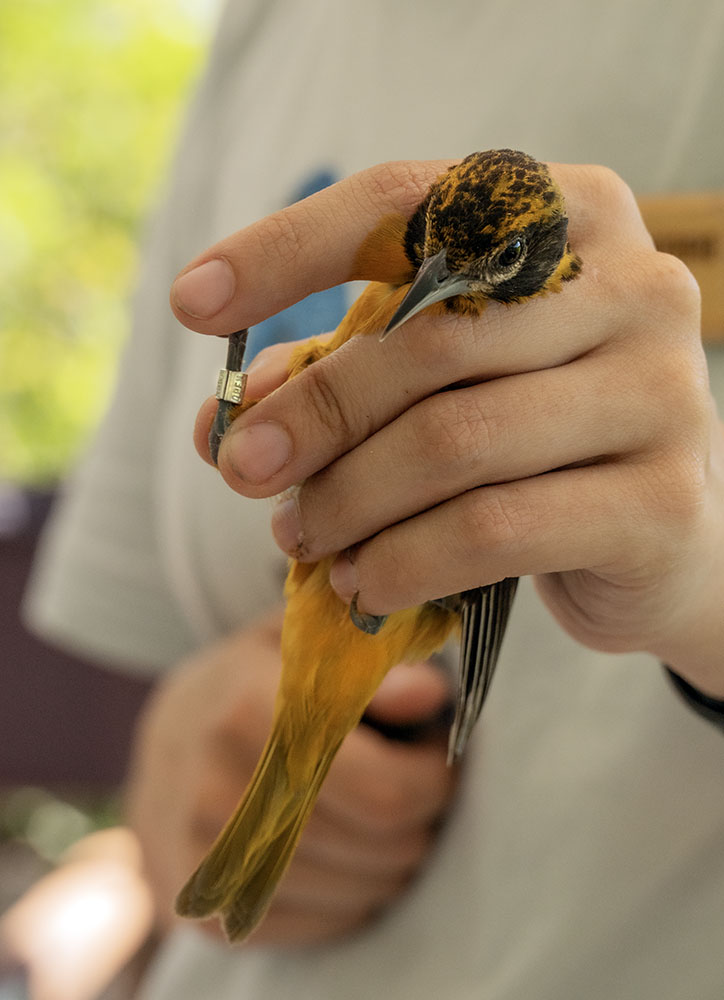
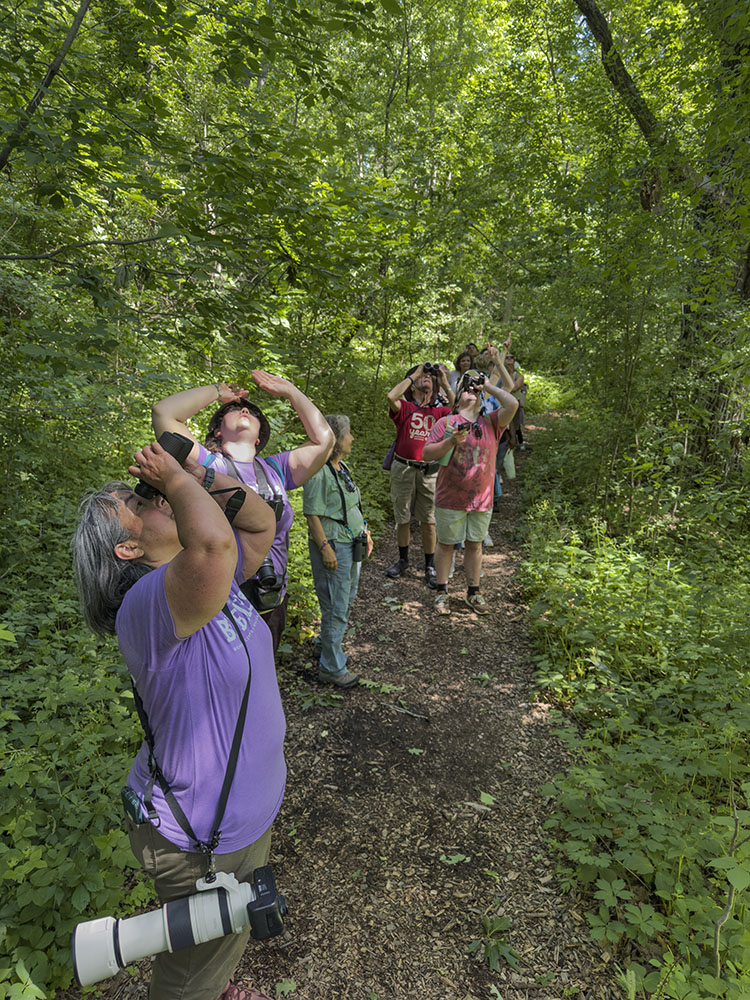
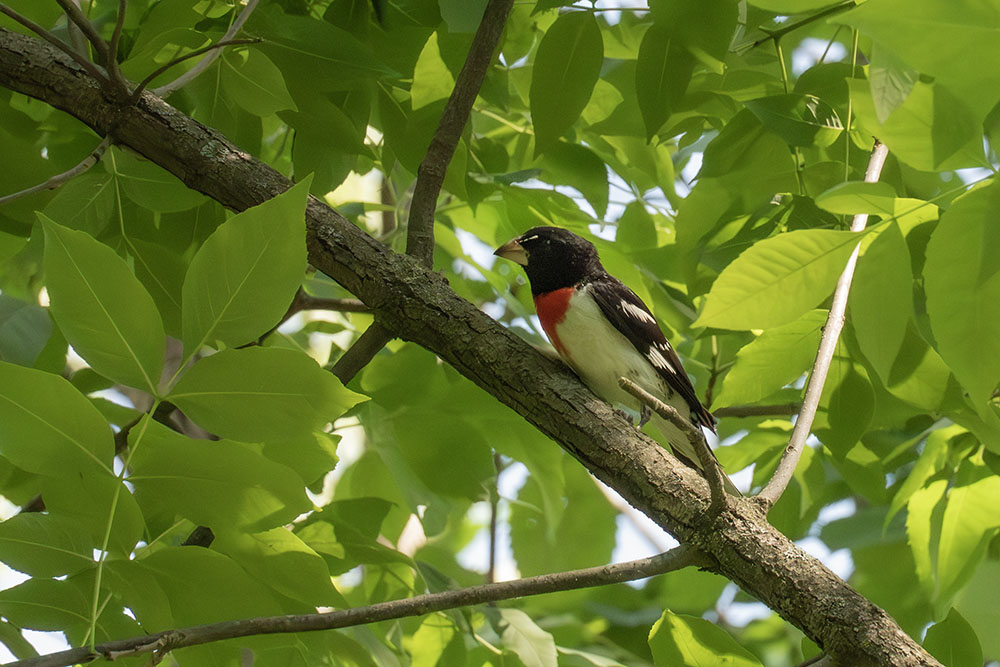
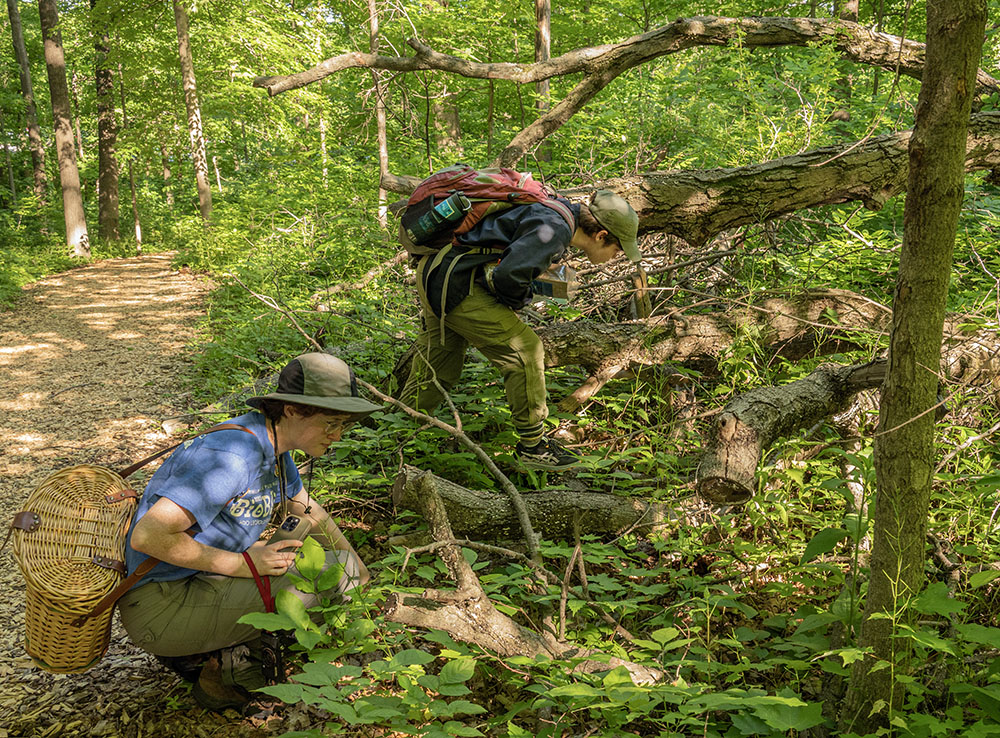
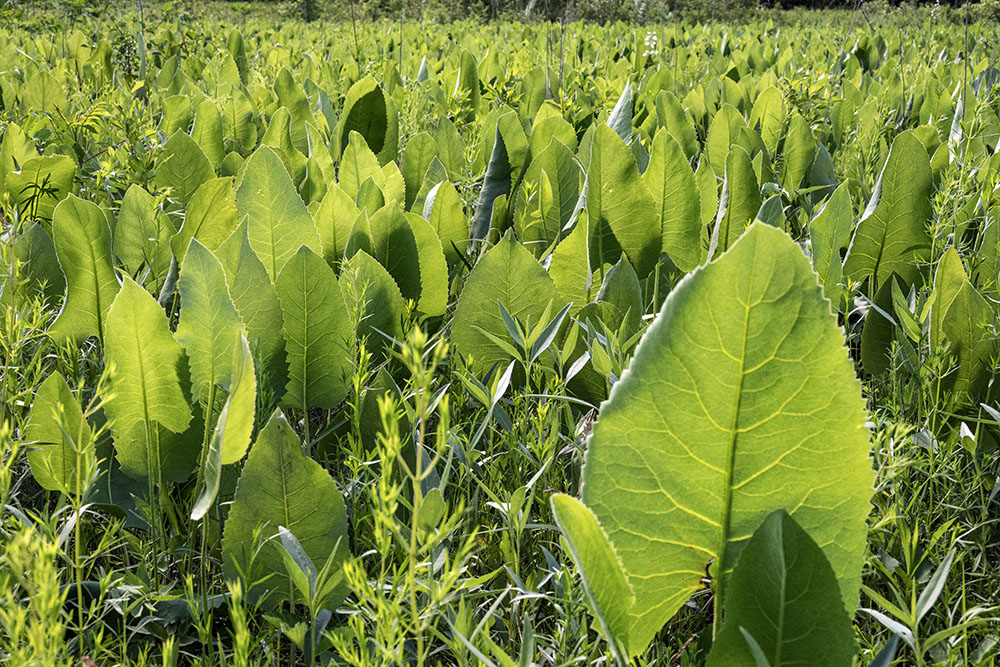
My goal was to document as much of the activity as possible, which was challenging in the 220-acre preserve (Wehr Nature Center is a portion of 627-acre Whitnall Park), which features more than five miles of trails through woodland, wetland, prairie, oak savanna and lake habitats. While I was there on Friday, I wandered through it all looking for surveyors. To make things easier, on Saturday I mostly accompanied groups taking part in the scheduled activities. These included a bird banding demonstration, guided walks devoted to birding, dragonflies, and other pollinators, and a conservation dog demonstration hosted by Mequon Nature Preserve (MNP).
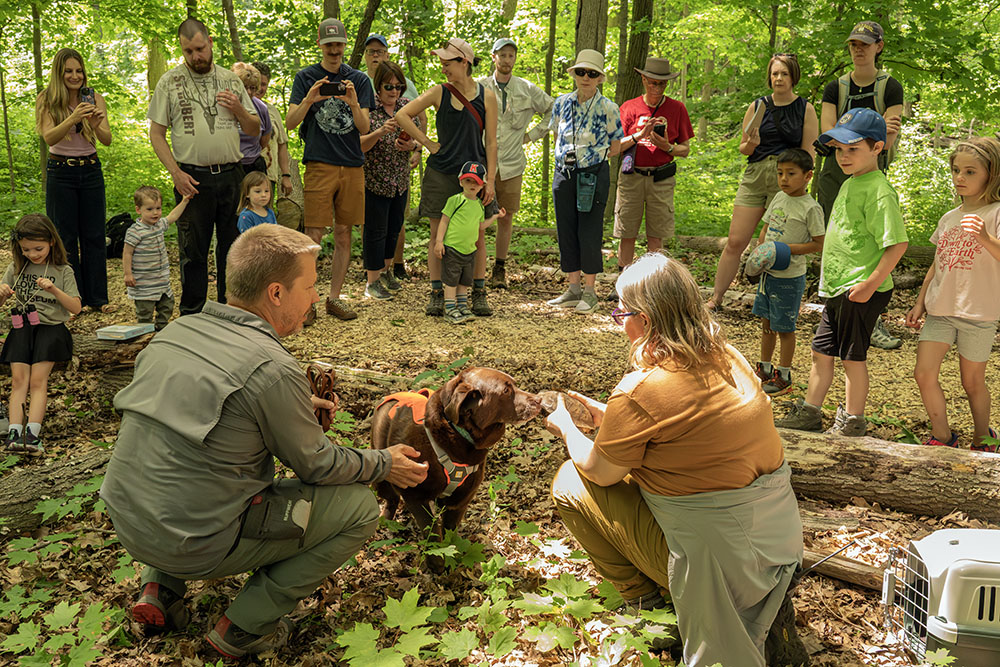
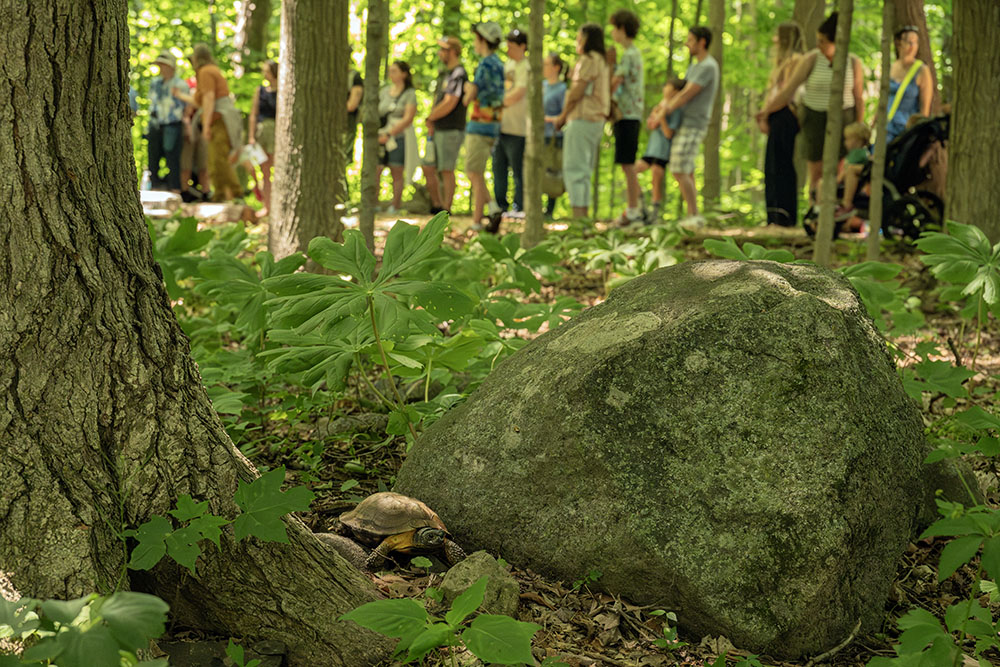
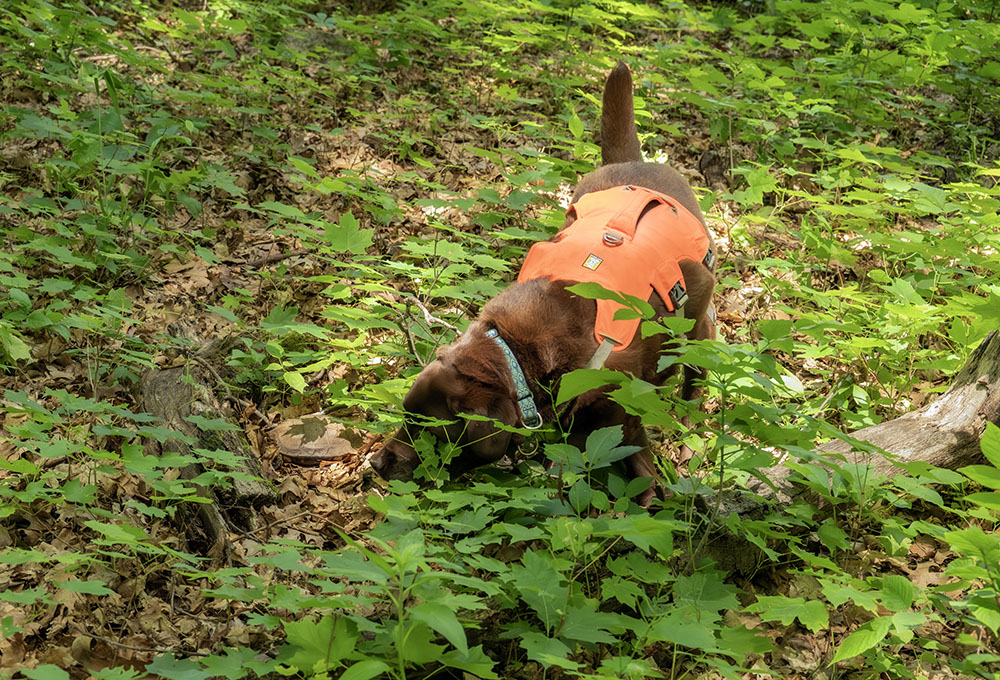
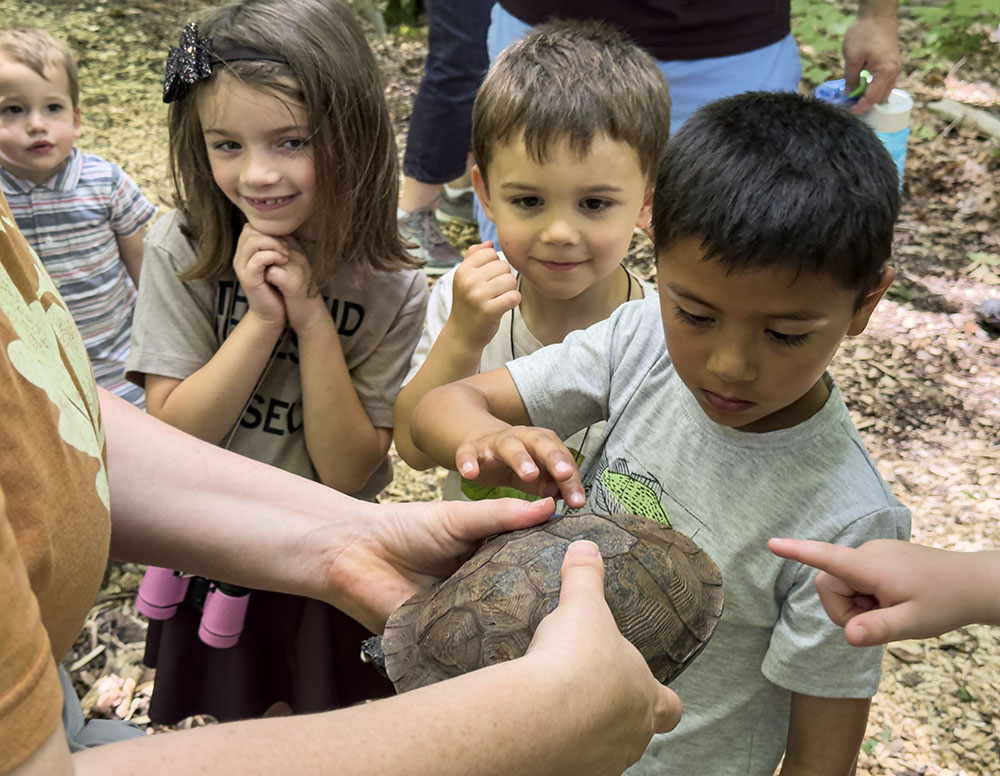
Tilia, the conservation dog, was especially popular. The demonstration involved a wood turtle named Louise, provided by Wehr Nature Center. First, Tilia was given a sniff of Louise. Then she was placed some distance away in hiding amongst the woodland ground cover. When prompted, Tilia followed her nose, ranging around the area for a little while before zeroing in on Louise’s location. She was rewarded for her effort by her handler, Cory Gritzmacher, MNP’s Chief Operations Officer. Afterwards, the children in the audience were allowed to touch Louise—but, they were warned, not her head! Tilia is one of two conservation dogs at MNP. They are English Field Labradors specially trained to use their powerful noses to detect invasive plants and monitor indicator species.
The data acquired during the BioBlitz is used to inform and influence future conservation efforts, scientific research and public outreach. “A BioBlitz is an efficient and engaging way to get a snapshot of the biodiversity in a particular natural area,” said Julia Colby, MPM Invertebrate & Vertebrate Collections Manager and BioBlitz organizer. “Often, when we talk about biodiversity, we talk about places that are far away and exotic, like rainforests, oceans or deserts. But the truth is, biodiversity is everywhere, and we are impacted by it every day—from our morning commute to work to our evening barbeque.”
In the 1990s, MPM President & CEO Dr. Ellen Censky helped organize the first-ever BioBlitz that involved members of the public during her time at the Carnegie Museum of Natural History in Pittsburgh. The BioBlitz public program has since been adopted by institutions all over the world.
“One of the most exciting parts of BioBlitz is seeing people of different backgrounds and ages come together to participate in discovery,” said Dr. Censky. “When residents become more curious about the biodiversity in their own backyards, it helps strengthen the ecosystems that support all of us.”
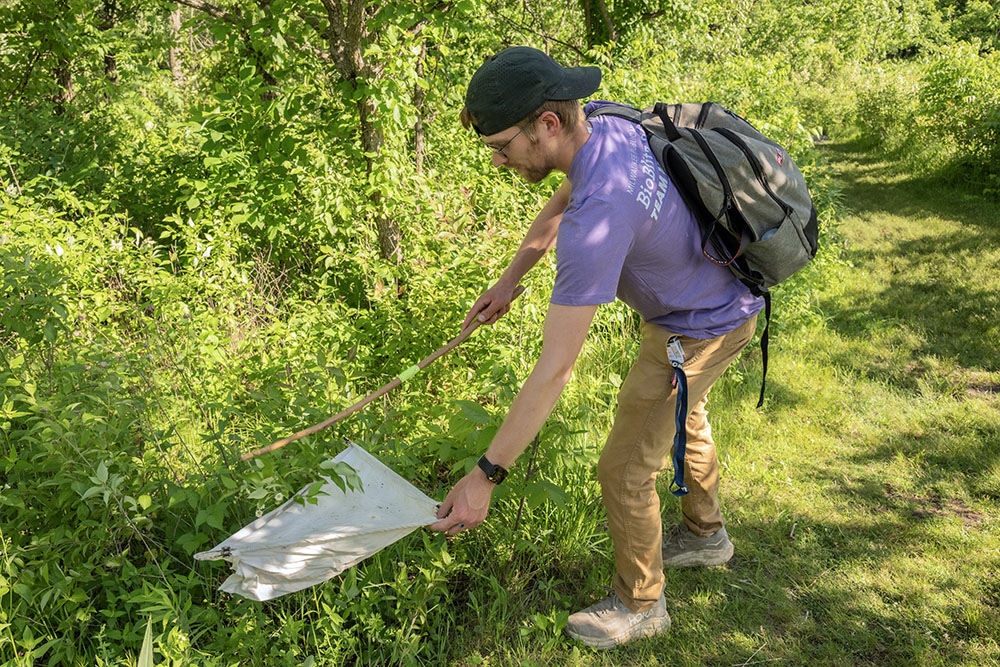
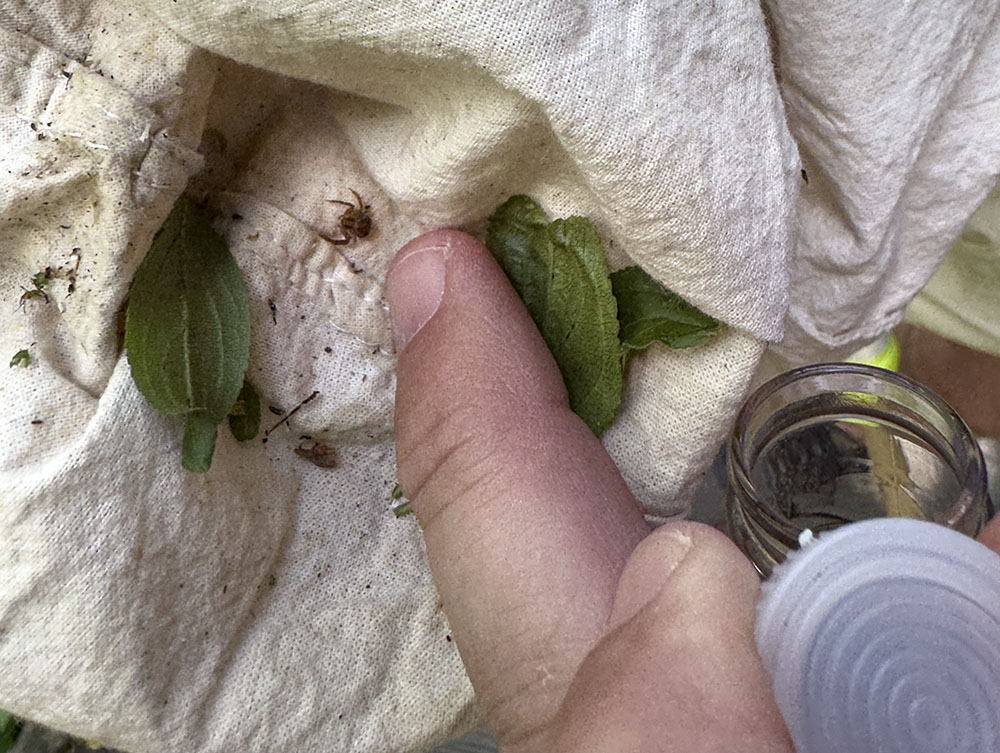
In a follow up email, I learned the following details about BioBlitz 2026. It involved a lot of participants. MPM and Wehr Nature Center were aided by thirty-three partner organizations, most of them local, some statewide organizations, and some from as far away as the International Crane Foundation in Baraboo and Purdue University in Indiana. There were 93 official surveyors and approximately 250 participants—which was a new record! Over 1,300 species were recorded. Here is a sampling of what was identified:
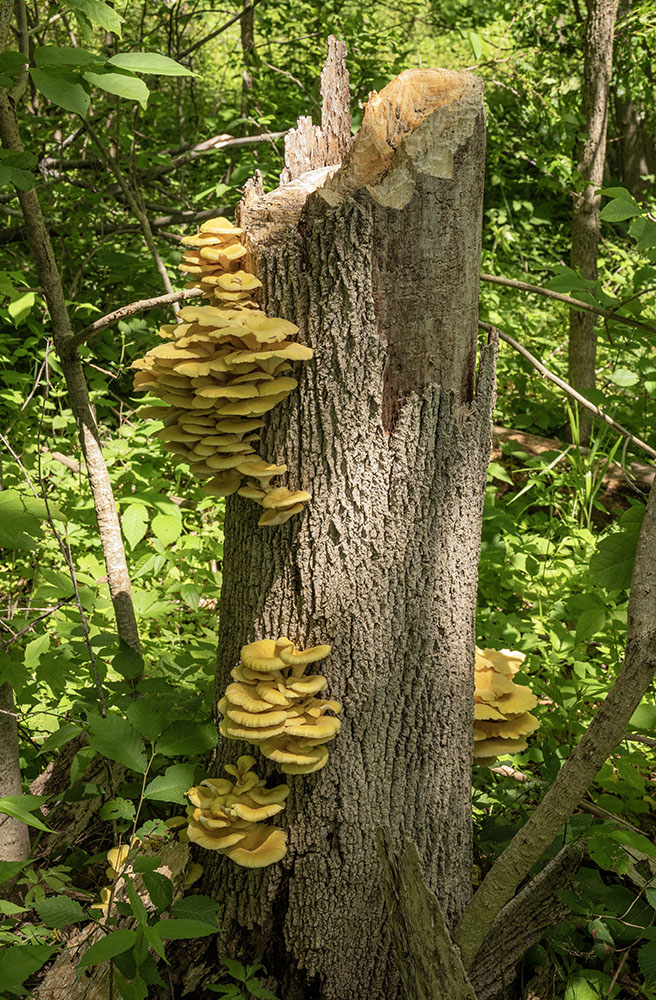
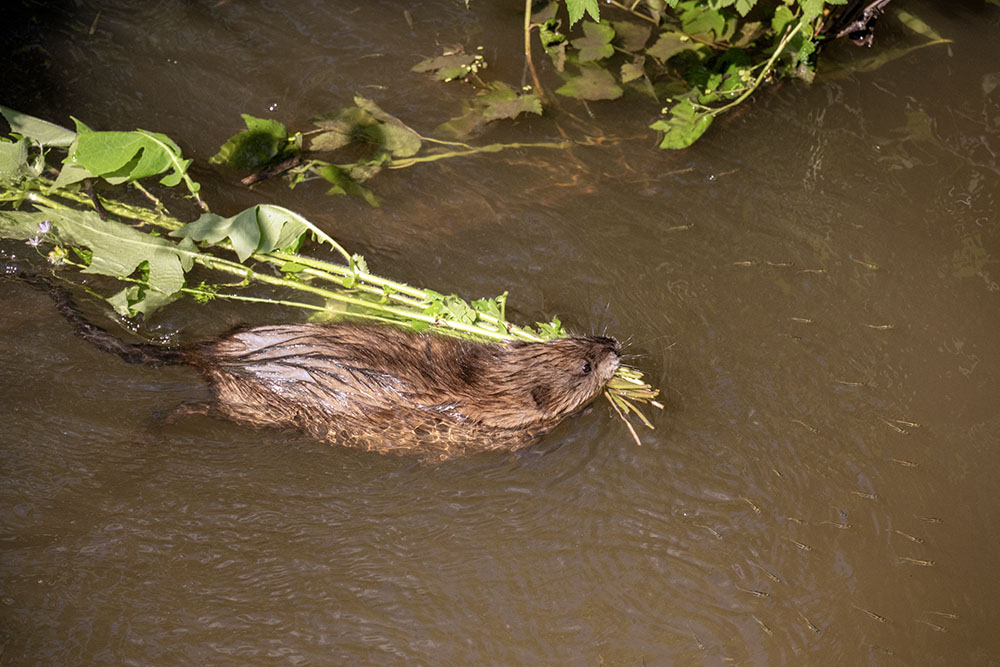
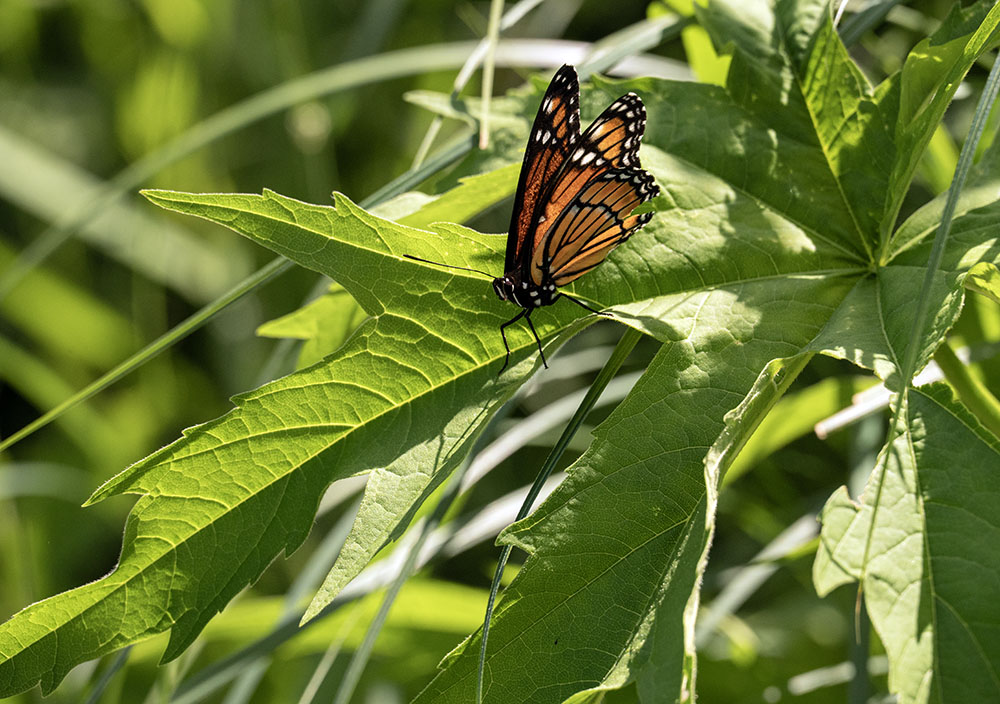
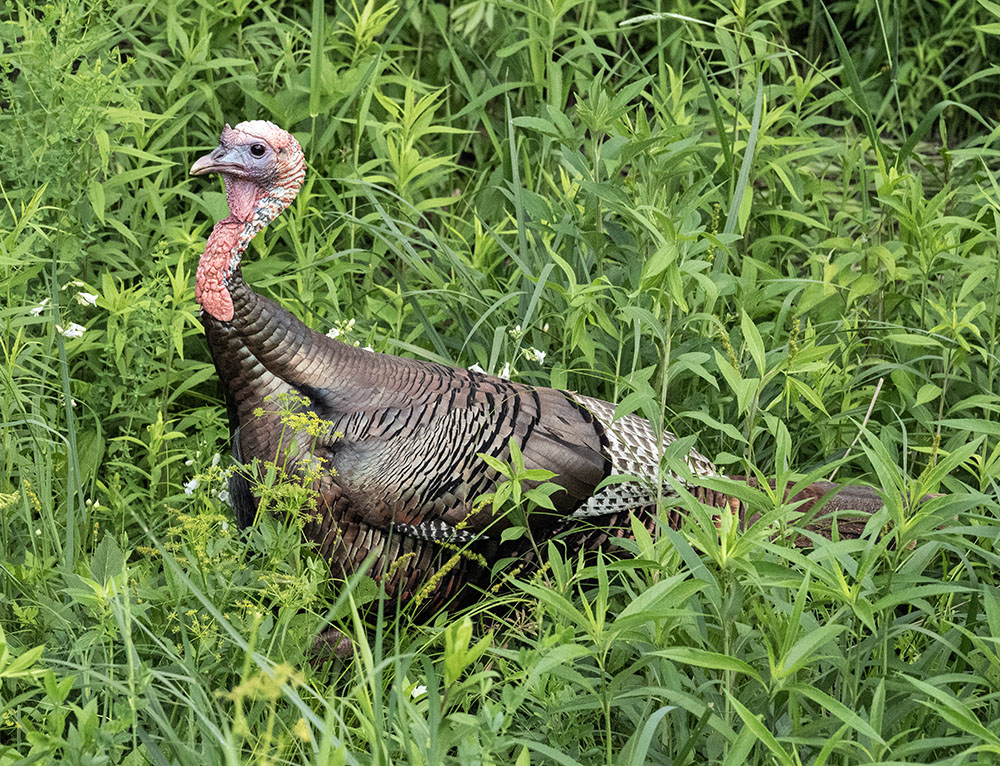
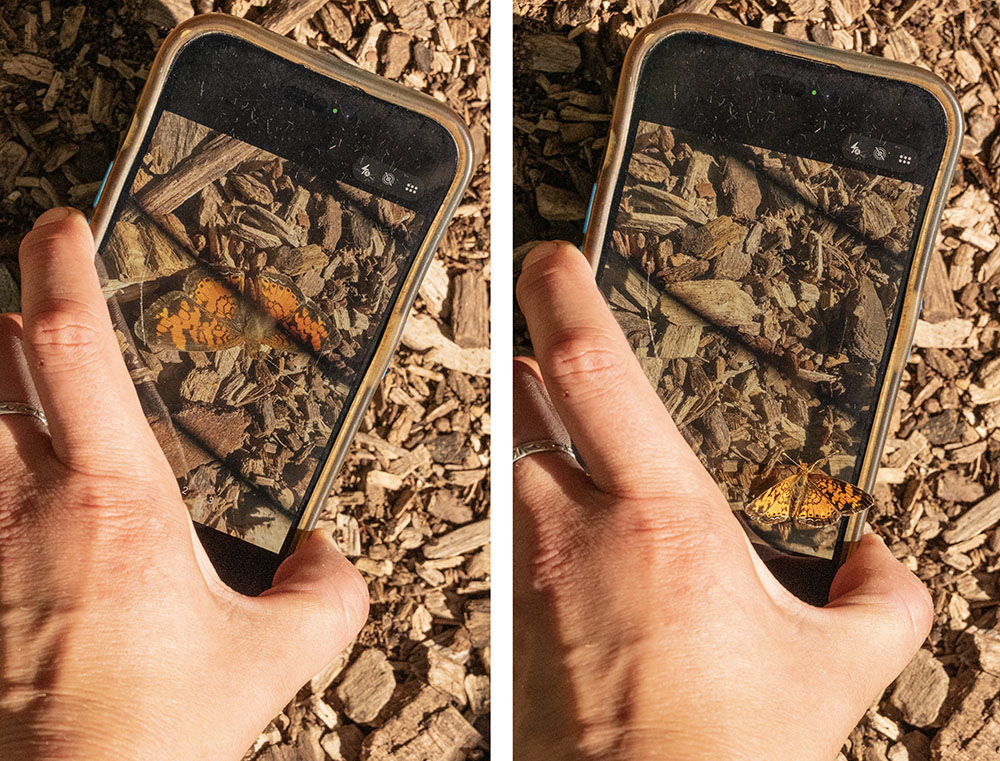
458 species of insects, 67 species of spiders and other arachnids, 69 species of birds, 19 species of mammals, 15 species of fish, 10 species of reptiles and amphibians, 675 species of plants, 82 species of fungi and lichens.
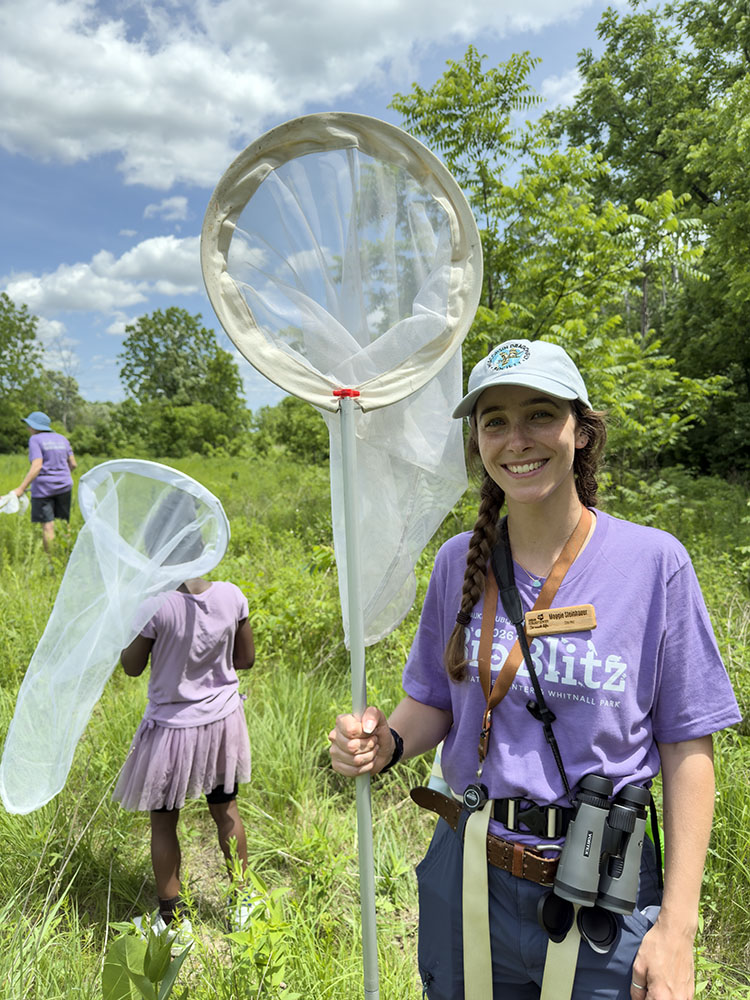
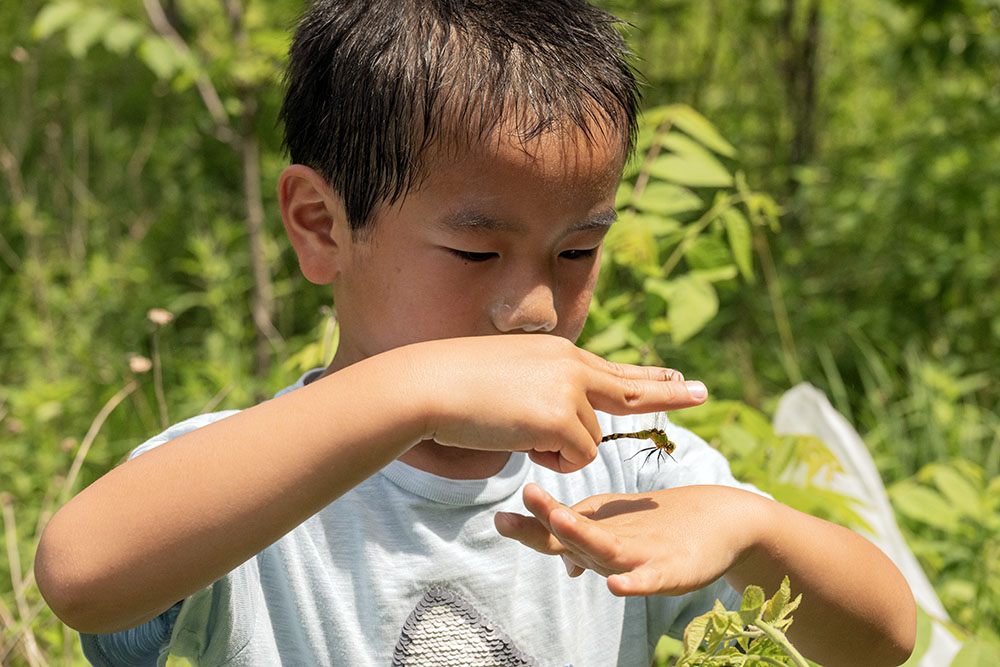
“MPM’s annual BioBlitz at Wehr Nature Center was unforgettable. In just 24 hours, scientists and experts documented more than 1,300 species, setting a new record for Wehr and highlighting the incredible biodiversity of Milwaukee County’s only public nature center. The event reinforced the importance of protecting and sharing these vital natural spaces and we couldn’t be prouder of the fact that it was attended by more than 200 community members who got to share in the experience.” ~ Carly Hintz, Executive Director of Wehr Nature Center
For more information about BioBlitz, visit www.mpm.edu/bioblitz/2026.
Related stories:
BioBlitz! Observing nature—and humans—at Mequon Nature Preserve!
Pollinator Bioblitz: How you can help save endangered pollinators!
Thanks to Milwaukee Public Museum for providing much of the factual information in this story in a press release.
Eddee Daniel is a board member of Preserve Our Parks and, Program Director of A Wealth of Nature, and editor of The Natural Realm. Milwaukee County Parks and Mequon Nature Preserve are project partners of A Wealth of Nature.
About Preserve Our Parks
Preserve Our Parks, Inc. is an independent nonprofit organization dedicated to the preservation of parks and green spaces. Our mission: To advocate for and promote Milwaukee area parks and open spaces and to strive to protect the tenets of Wisconsin’s Public Trust Doctrine.
For more than 25 years, we have been a leader in advocating for the protection of Milwaukee County park lands, halting many proposals to develop, privatize, or sell local parkland and lakefront spaces. More information about POP, including past accomplishments, is available at www.preserveourparks.org.