

Greenseams: Celebrating 25 years of success!
September 29, 2026 | Topics: Spotlight, Stories
Preserving Nature, Protecting Communities, Building Climate Resilience with Land Preservation
By Kristin Schultheis/MMSD and Katie Buchholtz/The Conservation Fund
With an introduction and photography by Eddee Daniel
Introduction
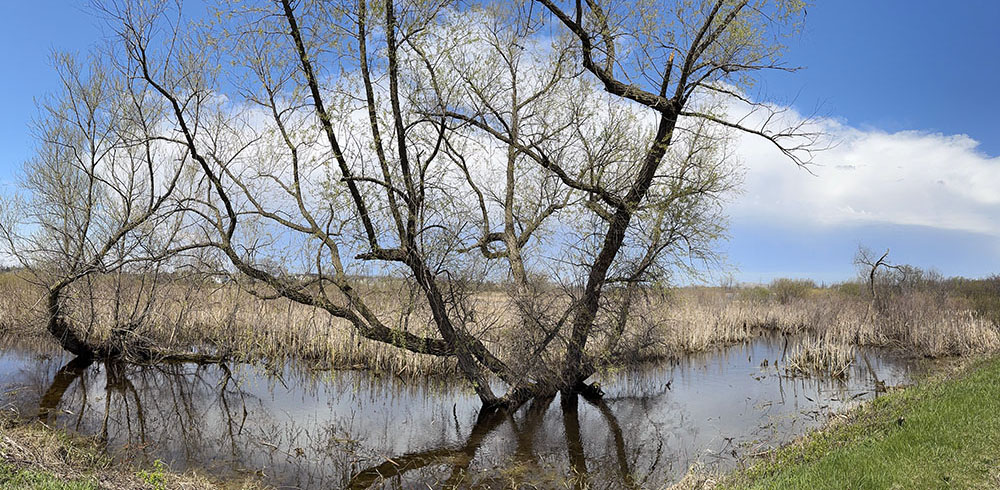
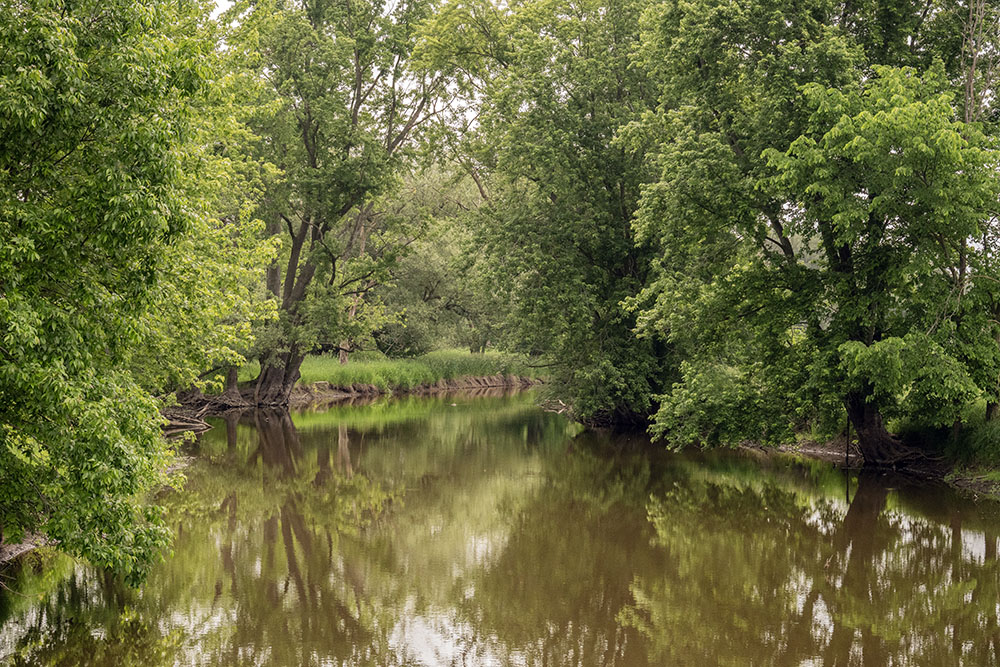
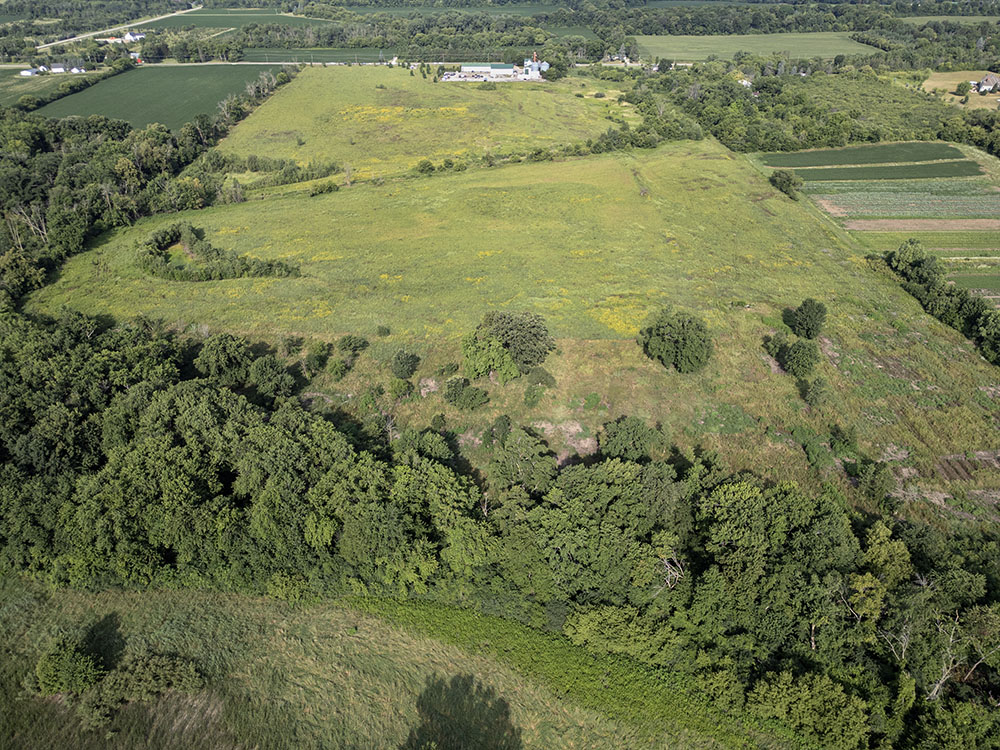
Greenseams® is a Milwaukee Metropolitan Sewerage District program that preserves land within the Milwaukee River Basin watershed. As the story that follows explains, the program serves multiple functions in addition to its primary function of reducing flooding. Being a fan of land conservation, I’ve been photographing Greenseams sites off and on for most of its twenty-five years. The photographs that accompany this story are from a small fraction of the 178 sites that the program has protected (see map below). They are named for the landowners who sold or donated their land. While MMSD allows the public to access many of the sites, they are not developed for recreation.
~ Eddee Daniel
Greenseams: Celebrating 25 years of success!
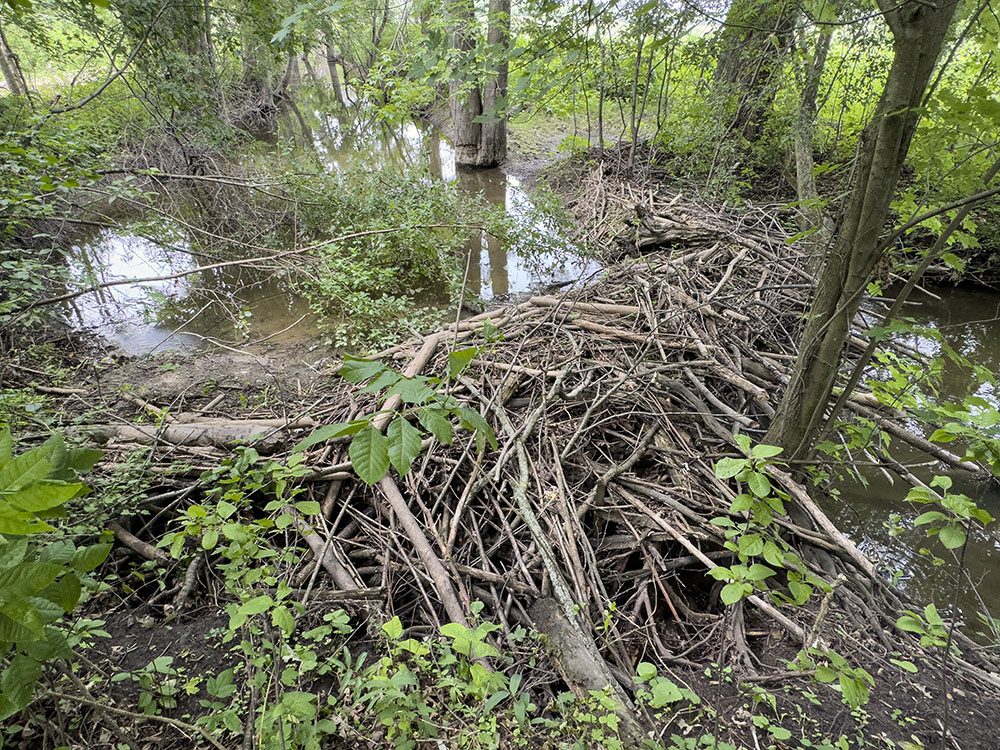
Southeastern Wisconsin has experienced significant losses of wetlands and functional floodplain acreage following European settlement. In Milwaukee County alone, an estimated 95% of the natural landscape, including wetlands, has been lost. In consequence, the Region has experienced multiple, severe flooding events that have caused significant property damage and public safety concerns. Flooding events occurring during years 2000 – 2022 created an estimated $207 million in property damages. Last year’s record setting August 2025 storm event alone incurred over $200 million in damages. Milwaukee Metropolitan Sewerage District (MMSD) initiated a watershed planning program in the late 1990’s to address flooding problems while enacting policies and programs to reduce the future risk of flooding for the 29 municipalities and over 1.1 million customers in our Region. This perspective, that flooding should be addressed at the watershed scale, led to developing the Greenseams® Program.
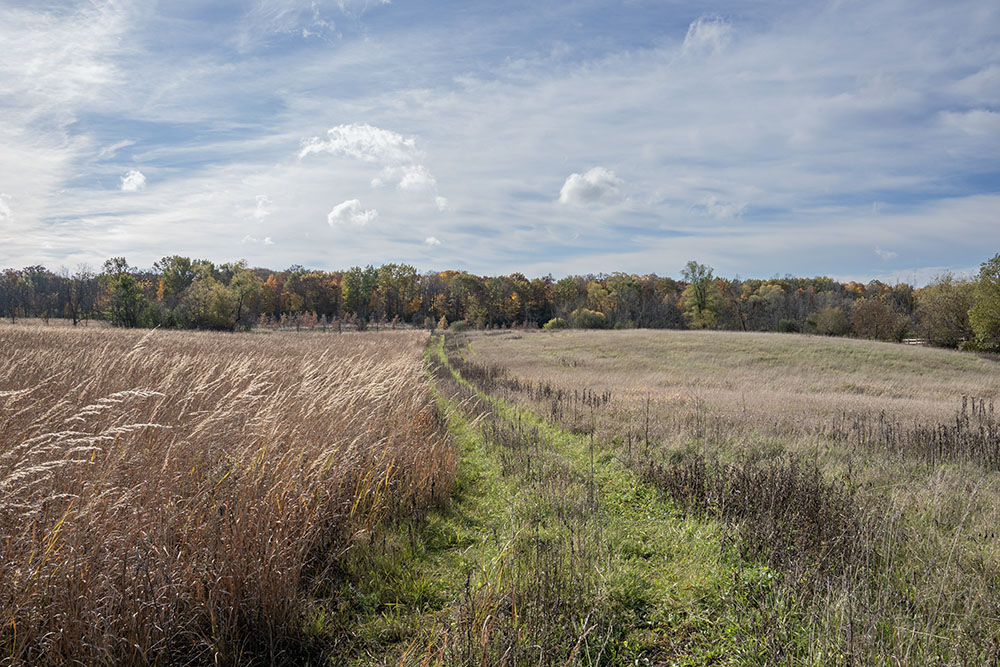
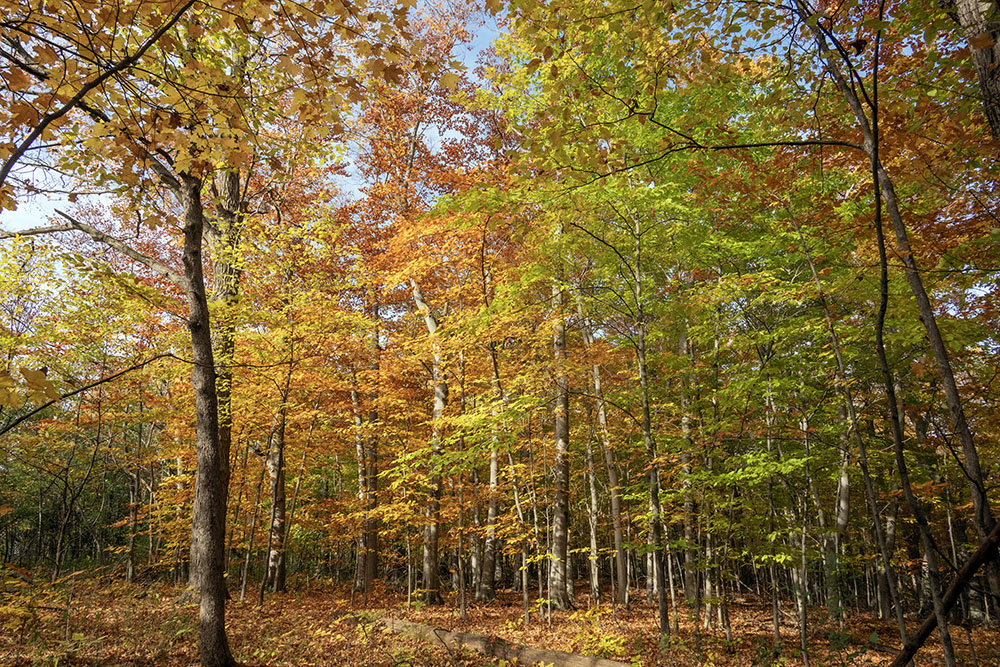
MMSD understood that an integrated approach to watershed management, which includes tributaries and headwater areas, must be considered. Now celebrating its 25th year, the Greenseams® Program is preserving and enhancing wetlands and floodplain areas using the land conservation model, where land or the interests in land are permanently protected through outright acquisition and/or conservation easements from willing private landowners. These lands have been identified as critical to protect against future flooding and are located in the upper reaches of the Milwaukee River, Menomonee River, Oak Creek, and Root River watersheds. Sites with wetlands, floodplains, shorelines, and woodlands are prioritized. More importantly, the Program targets sites containing hydric soils, which act as natural sponges to retain large volumes of water, effectively curbing downstream flooding.
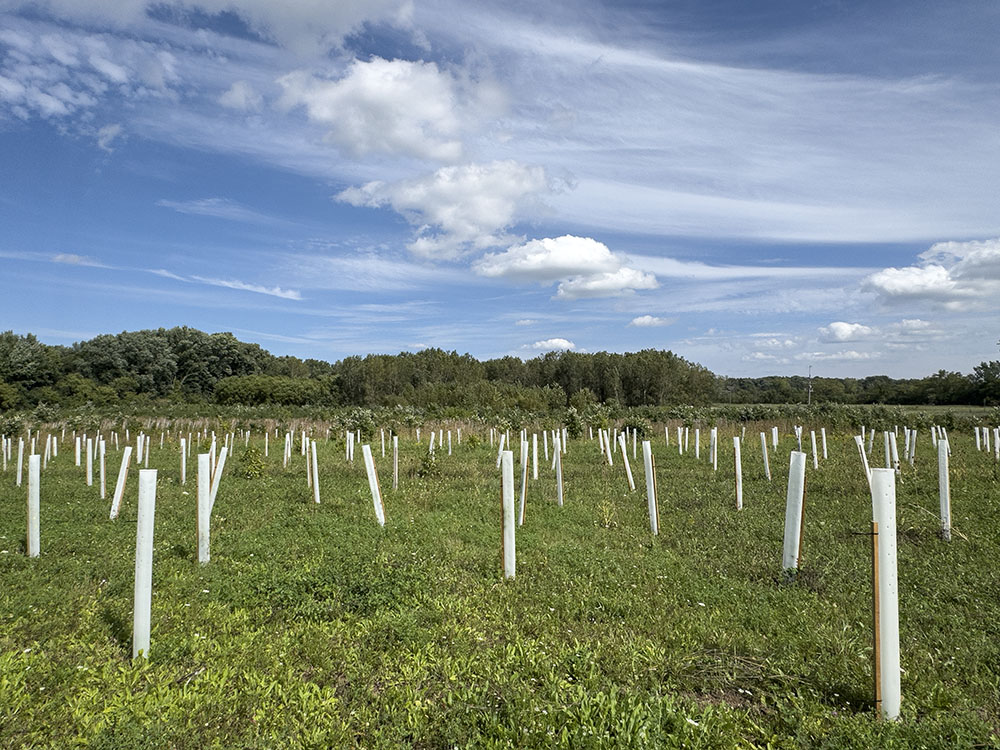
The program’s purpose reaches beyond Milwaukee’s borders. Water moving through these headwater areas eventually makes its way to Lake Michigan, which means the Greenseams® sites located far upstream have a direct bearing on the health of the Great Lakes. By slowing and storing floodwater at the source, the program slows down the volume of floodwater – and the pollutants it carries – from reaching the Milwaukee River and ultimately the lakes.
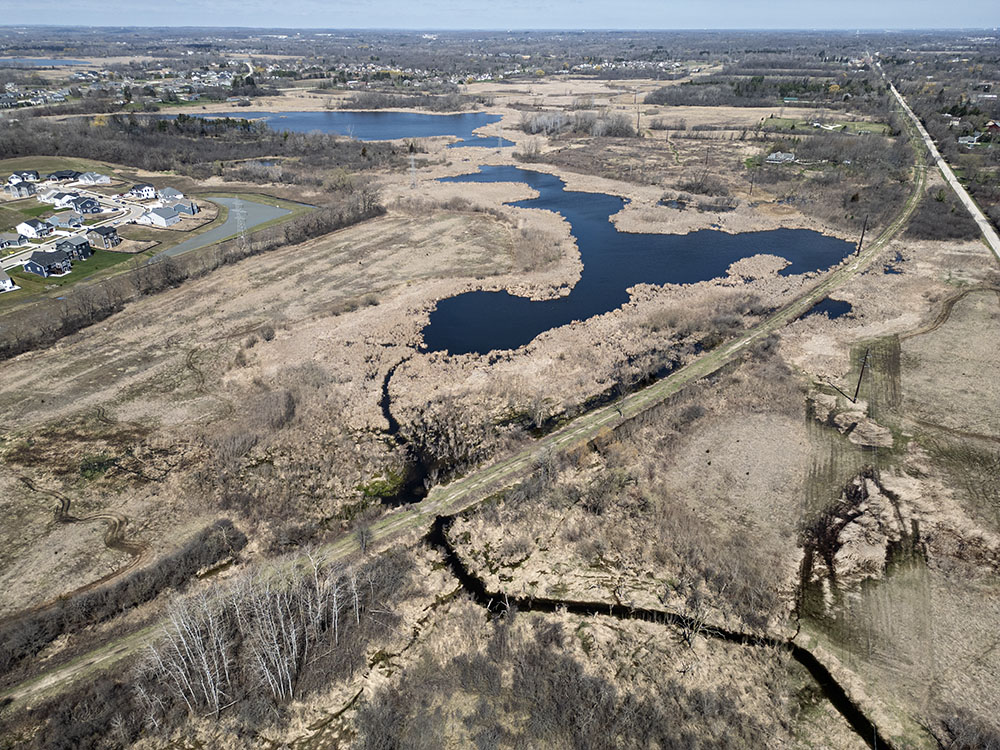
Protecting an entire watershed is not something any single organization can do alone. The Greenseams® Program partners with private landowners, municipalities and counties, state and federal agencies, private and public funders, and land trusts. MMSD works closely with municipalities to ensure that acquired sites meet municipal planning, land use, recreational and weather resiliency goals.
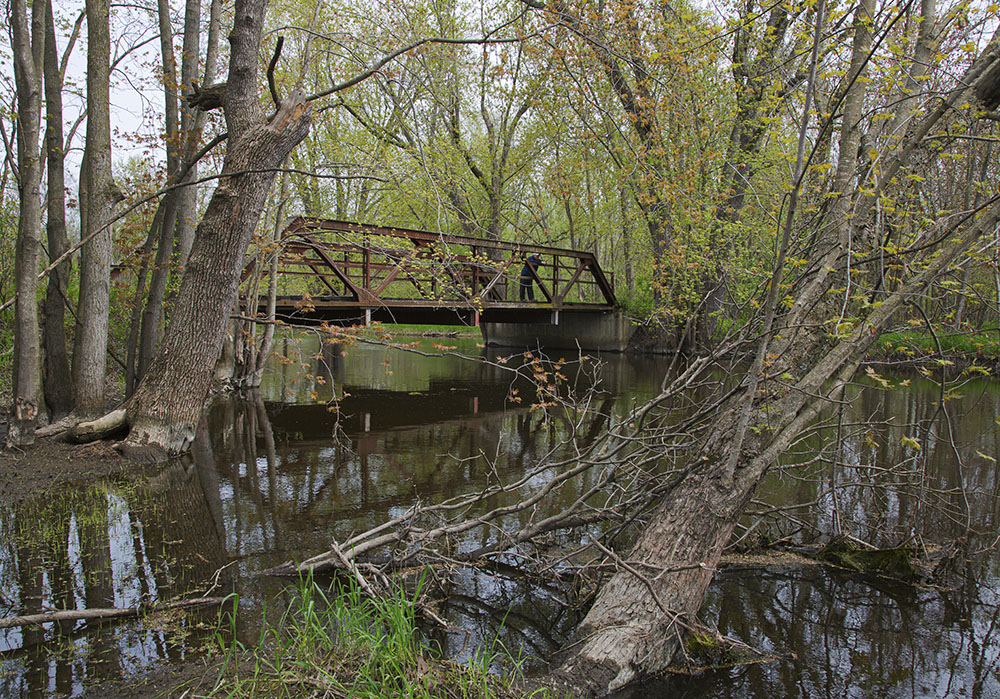
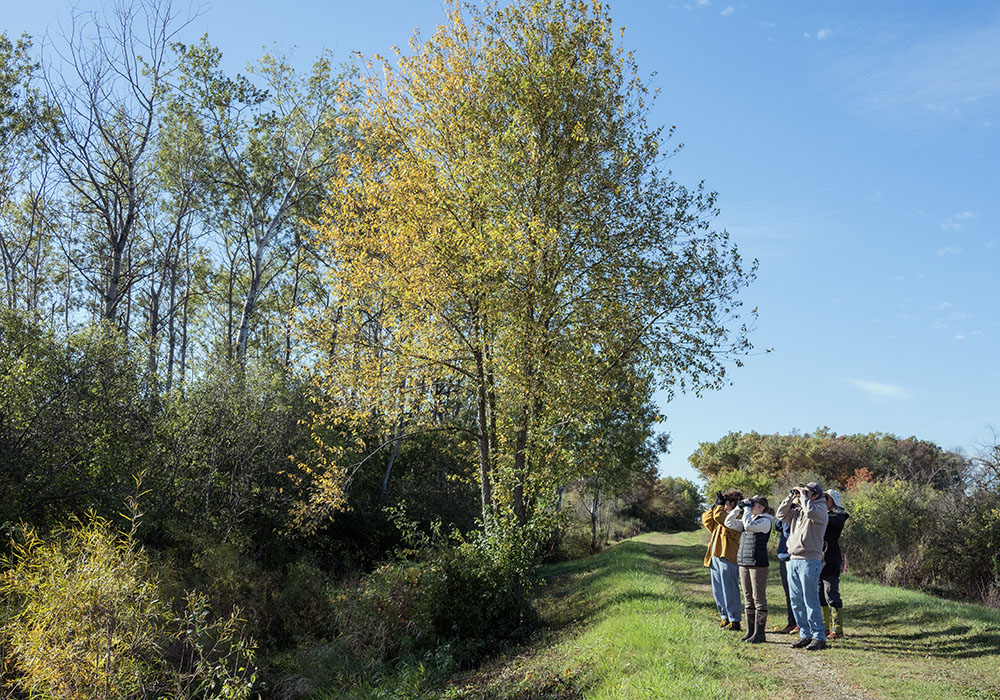
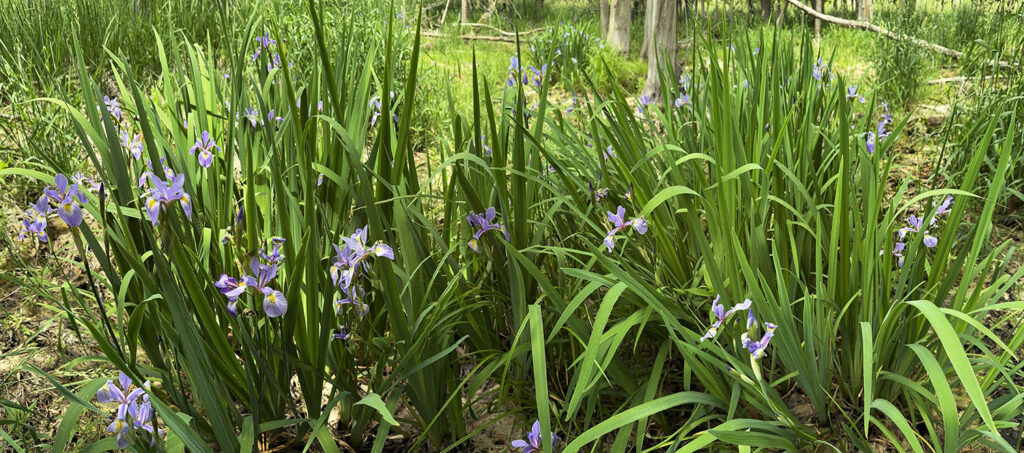
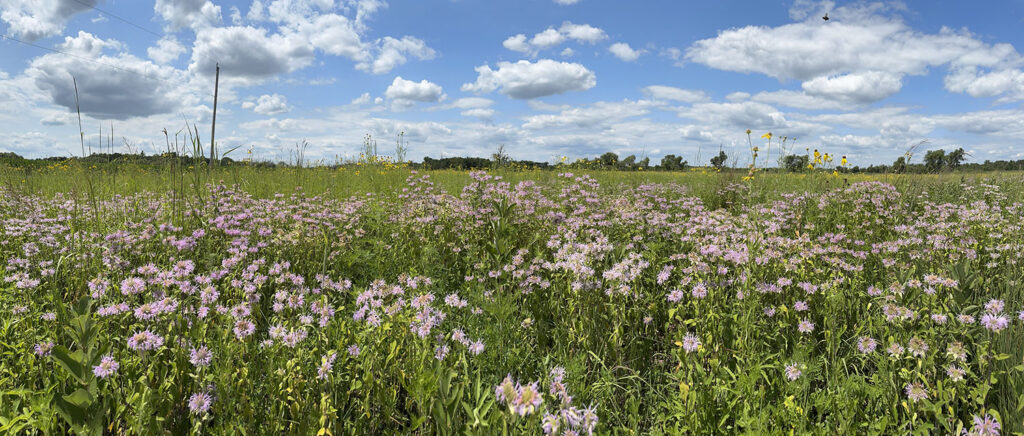
The essence behind the Greenseams® Program is floodwater management, but there are a multitude of co-benefits to land conservation. Over 2,300 acres of protected lands are publicly accessible for passive recreation, including 1,200 acres for hunting. These lands also provide wildlife habitat, improve water quality, and preserve open space and rural character within a rapidly developing region.
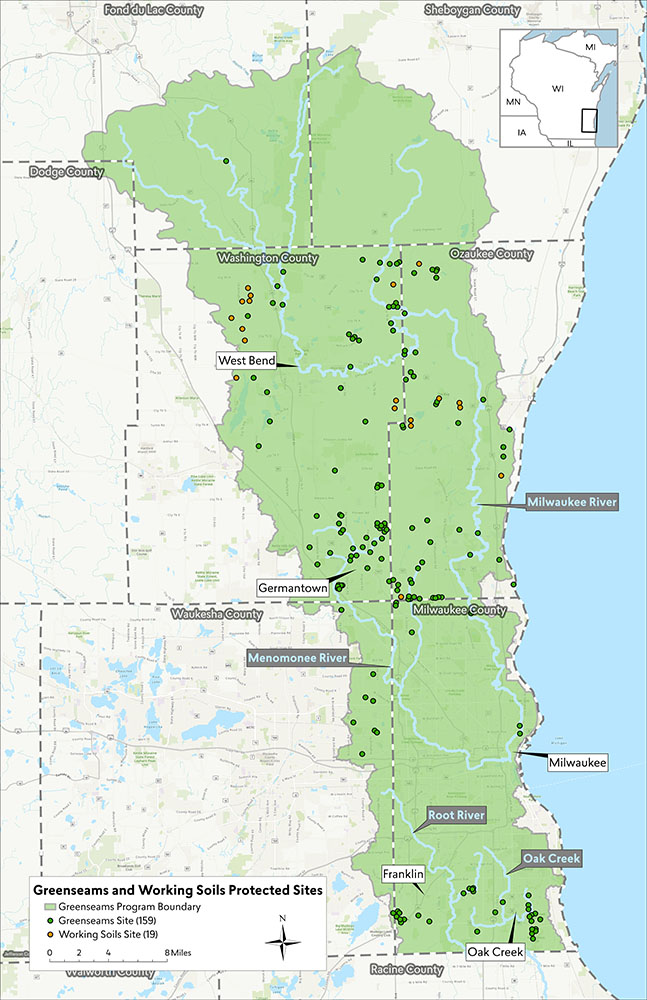
Through its partnerships, the Greenseams® program has protected over 6,100 acres, which have the capacity to store over three billion gallons of floodwater. Properties are chosen for their proximity to stream systems, water-absorbing soils, floodplain and wetland features, environmental corridors and natural area designations, and connection to public spaces. All acquired land remains undeveloped, with restoration and management taking place to further improve water storage and infiltration. By building out contiguous protected areas rather than isolated sites, the Program strengthens habitat connectivity and maximizes the flood storage benefit.
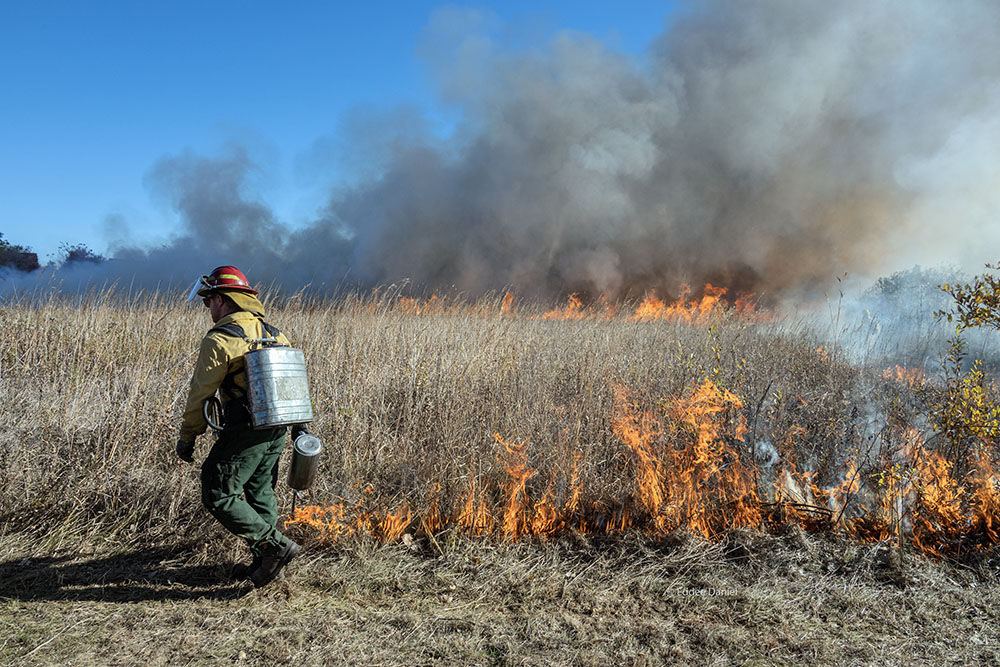
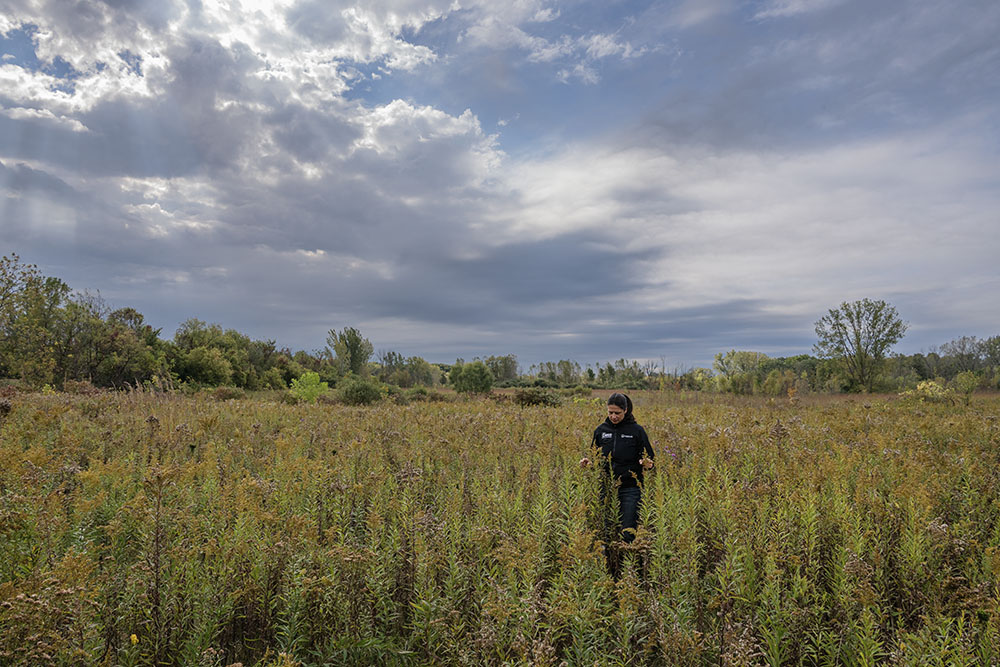
MMSD acquires sites for floodwater management, but to landowners, the preservation of their lands takes on a whole different meaning:
“This land was farmed by our grandparents and then our uncle. With no one in our family continuing to farm, it means a sale of land. The ability to preserve this land to remain how our grandparents purchased it is important to their legacy. Our families’ roots go deep into this land, and we are blessed to be able to keep this land undeveloped so when we drive past, we can say…. This is where Grandpa Milton drove his tractor 90 years ago when he and Grandma Mabel purchased their homestead and farm…. And this is where our mothers’ picked stones growing up…. And this is where Uncle Dale planted soybeans and gave us tractor rides…. And this is where Grandma brought sandwiches to the field when the men were harvesting. It’s a special place filled with memories.”
“It’s never a mistake to leave land, forest or field, in its natural state. I am sure our family is smiling down on us as we made this decision [to sell the land to MMSD]. I got tears in my eyes during the closing, knowing that this was the right decision for our family’s land. It will remain a visual reminder of how our family came from the land, farmed the land, treated the land with respect, and loved the land.”
~ Tracy Senbeil, former landowner
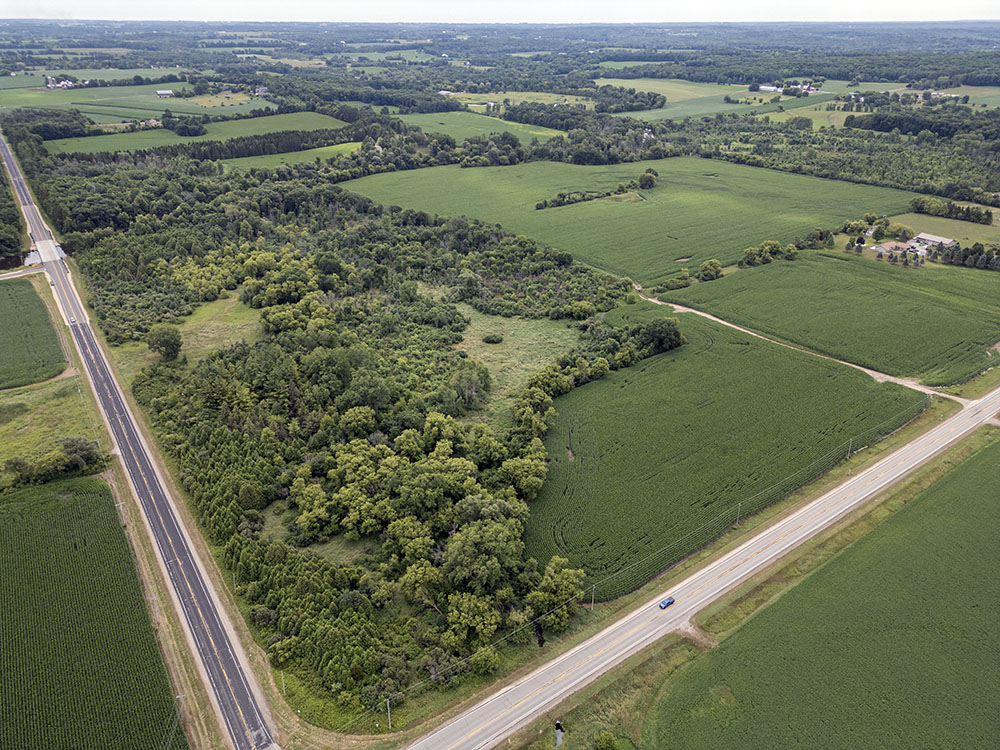
Upon acquisition, MMSD works to encourage land use compatible with flooding and restore the natural functionality of sites, which makes land management planning and implementation critical for enhancing ecological conditions. For instance, many Greenseams® sites include agricultural land and tiled wetlands. Site restoration is needed to reconnect the hydrology, improve the soil water-holding capacity and infiltration, and enhance the plant community and wildlife habitat. The work includes completing site inventories and assessments, developing conservation and restoration plans, implementing projects, and monitoring.
The program has partnered with the UW-Milwaukee Electa Quinney Institute to teach students indigenous land management practices on Greenseams® sites, connecting the next generation of conservationists with the traditional ecological knowledge that shaped these landscapes long before European settlement.
One of the great outcomes of the Greenseams® Program is all the partnerships that have been established across the watershed. Working across the watershed with a variety of partners and funding agencies has been crucial to the success of the Greenseams® Program. Funding assistance has been critical for the implementation of past and current acquisition and land management projects, especially when the Greenseams® Program was in its infancy. Many thanks go to public and private funders, including US Fish and Wildlife Service, USDA-Natural Resources Conservation Service, Wisconsin Department of Natural Resources Knowles-Nelson Stewardship Program, the Wisconsin Coastal Management Program, and Fund for Lake Michigan, among others.
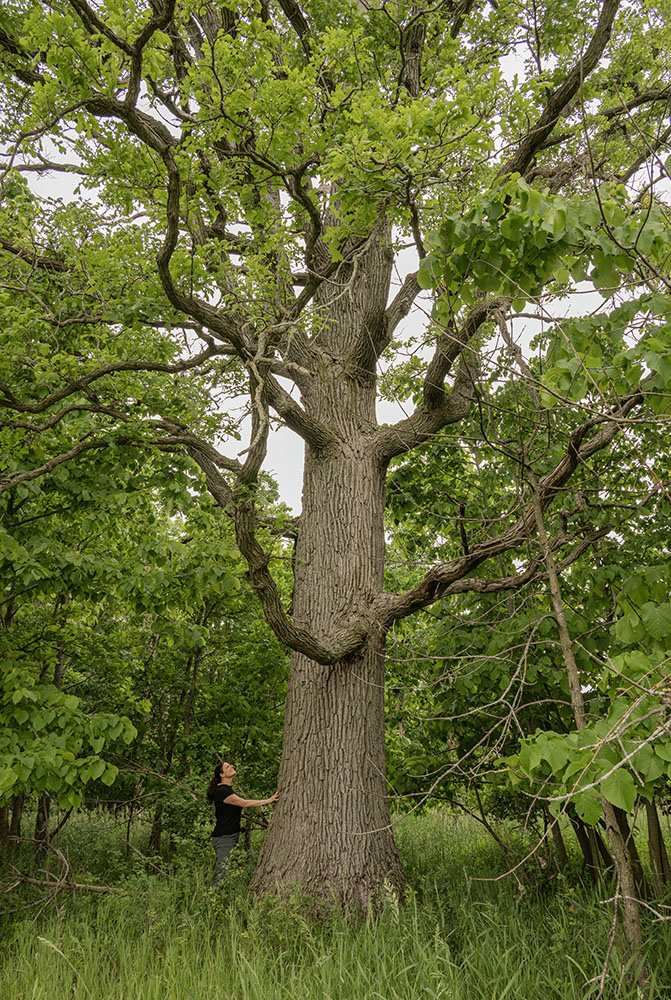
As the Program enters the next 25 years, this same model – willing landowners, engaged municipalities and land trusts, and a broad coalition of funding partners working across an entire watershed – remains the foundation of its success, and a reminder that protecting the Great Lakes starts upstream.
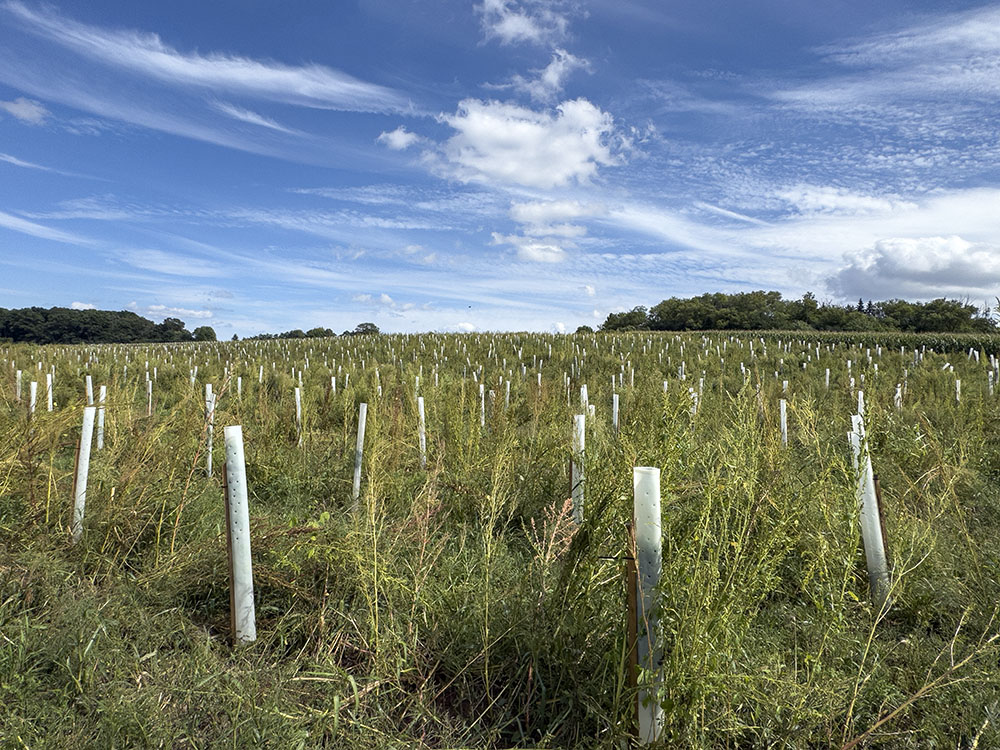
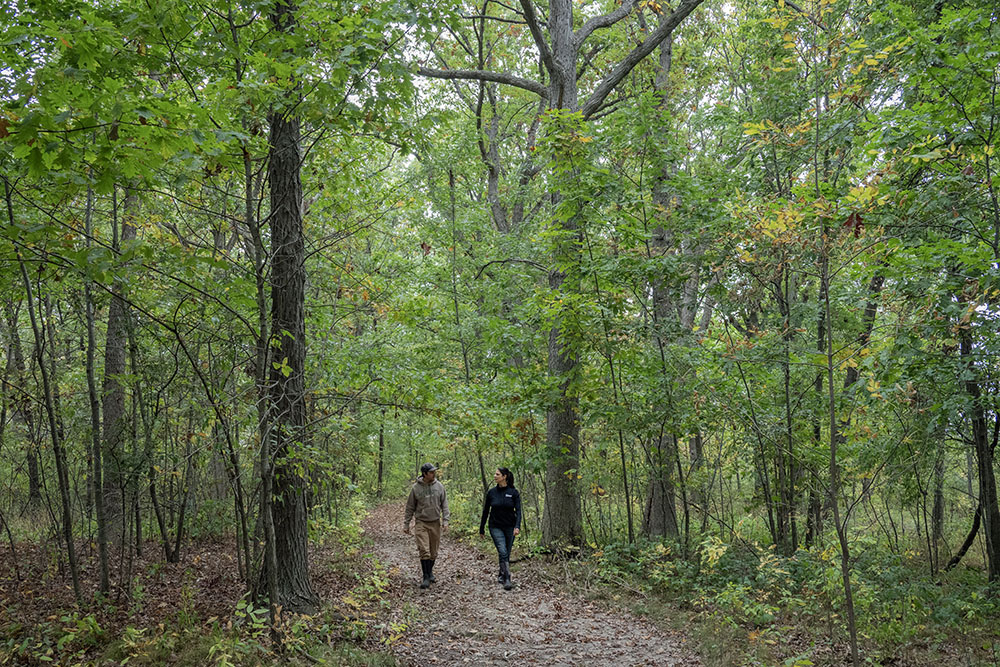
Note: Because one or two images from each site doesn’t do them justice, additional photographs from many of the sites can be found in my Greenseams Flickr album.
Related stories:
The Record-breaking Menomonee River Flood: Lessons Learned!
An Earth Day Success Story: MMSD’s Greenseams® Program Rejuvenates a Restored Prairie
Rain Gardens and Bioswales: Beauty as Well as Utility
Island of Nature: Exploring a Blank Spot on the Map of Milwaukee
Kristin Schulteis is a Senior Project Planner for the Greeneams® Program at MMSD and Katie Buchholtz is a Conservation Associate with the Conservation Fund, which is under contract with MMSD to help manage the Greeneams® Program.
Eddee Daniel, writer/photographer, is a board member of Preserve Our Parks, the Program Director of A Wealth of Nature, and editor of The Natural Realm blog. Eddee also has served as a contract photographer during a portion of the MMSD Kinnickinnic River Restoration Project.
The Natural Realm blog is part of A Wealth of Nature, which is a program of Preserve Our Parks. MMSD is a project partner of A Wealth of Nature.
About Preserve Our Parks
Preserve Our Parks, Inc. is an independent nonprofit organization dedicated to the preservation of parks and green spaces. Our mission: To advocate for and promote Milwaukee area parks and open spaces and to strive to protect the tenets of Wisconsin’s Public Trust Doctrine.
For more than 25 years, we have been a leader in advocating for the protection of Milwaukee County park lands, halting many proposals to develop, privatize, or sell local parkland and lakefront spaces. More information about POP, including past accomplishments, is available at www.preserveourparks.org.