

Wauwatosa: A High Flyer Bird City
May 30, 2026 | Topics: Stories
By Jeff Roznowski
Photography by Eddee Daniel
Spring is a magical time in Wauwatosa. Our record setting rainfall in April has transformed our yards and parkways into lush green carpeting, with the buds and blossoms of fragrant lilacs and irises. Gardens are being planted with annuals and vegetables in anticipation of summer tomatoes. My wife, Diane, a Master Gardener, is in her happy place.
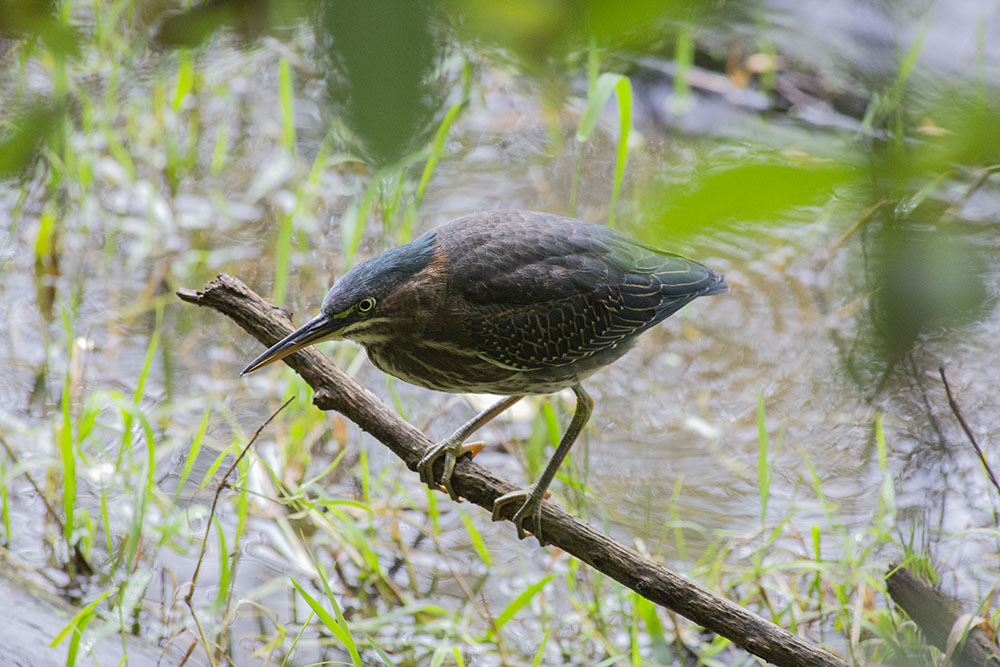
But spring is also a time to welcome back our winged and feathered friends from their winter, southern homes. May 15 typically offers the peak migration over Milwaukee and Wauwatosa, with over 26 million birds making their nightly journey on that date alone! First come the robins and red winged blackbirds, then the sparrows and flickers, followed by the warblers and Baltimore Orioles, with flycatchers and scarlet tanagers bringing up the rear. This great migration is recognized each May and October with World Migratory Bird Day, officially on May 9 in 2026, with bird tours and events throughout the greater Milwaukee area. The theme this year is “Every Bird Counts – Your Observations Matter.” These observations help track migration patterns, monitor environmental change, and identify emerging threats.
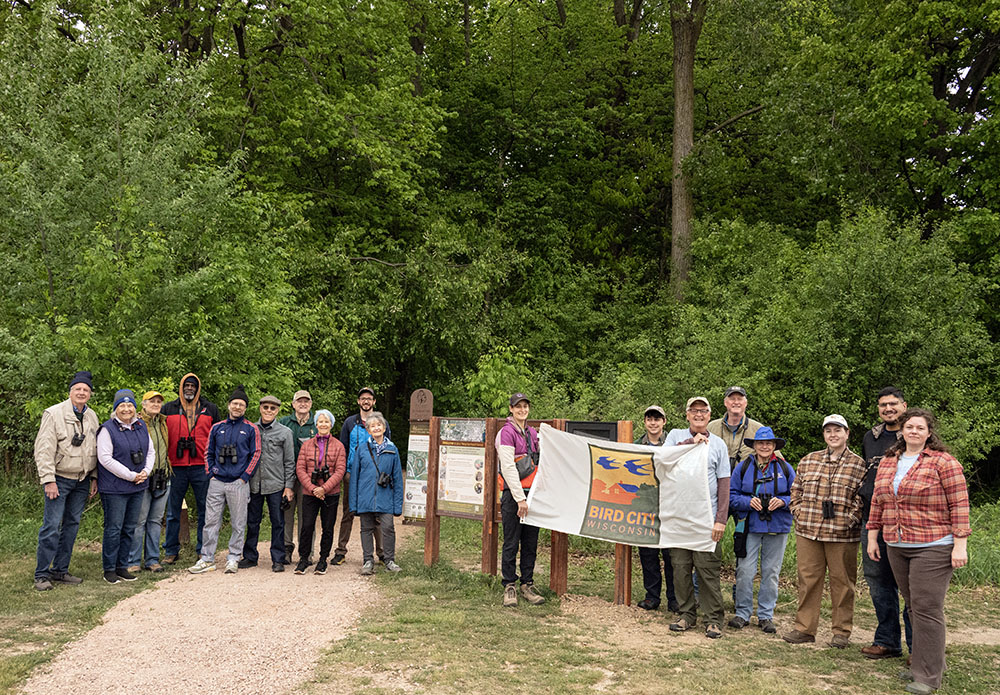
Wauwatosa was recently recognized as achieving High Flyer Bird City Wisconsin status for the fifth consecutive year and seventh year as a Bird City. Bird City Wisconsin, a pillar program of the Lake Michigan Bird Observatory, is a statewide initiative that recognizes and supports communities committed to bird conservation and environmental stewardship. Through local action to protect habitat, reduce threats to birds, engage residents, and support environmental sustainability, the program helps communities become healthier, more resilient places for both birds and people.
Bird City communities like Wauwatosa are at the forefront of efforts to forge a statewide coalition of citizens and public officials who recognize that birds are more than beautiful – they are significant. Why is this important? Bird Cities can boost community pride, build green reputations, reduce pest control costs, promote tourism, support healthy ecosystems, get families outdoors, connect with nature, create green spaces, strengthen community bonds and protect our birds. How’s that for a top ten list?
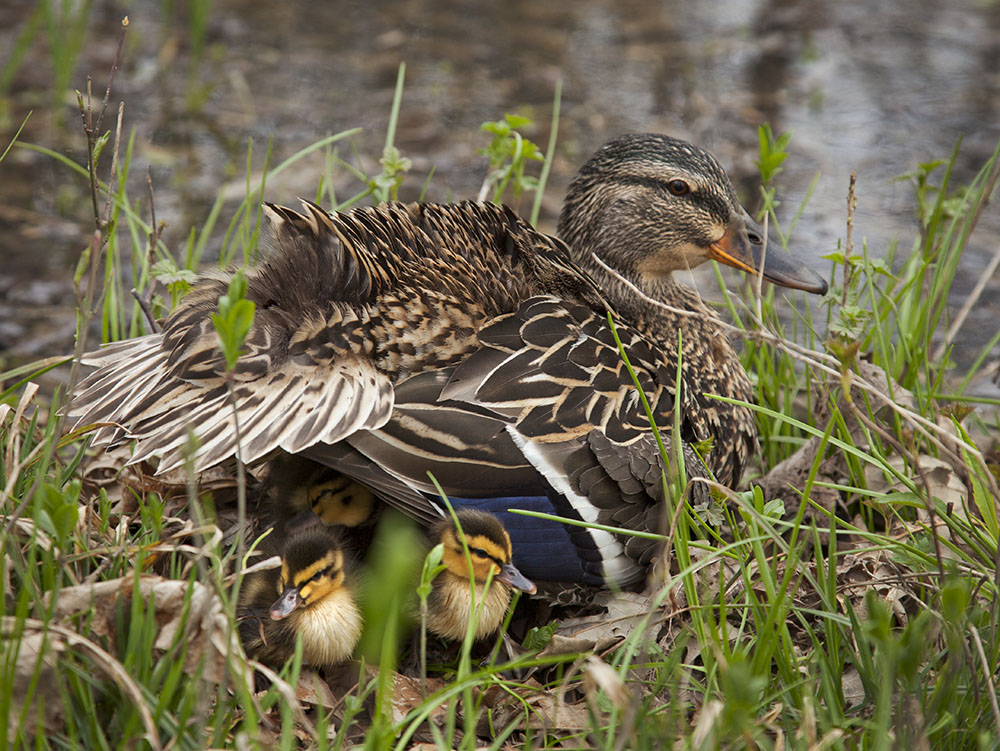
Wauwatosa recognizes that becoming a High Flyer Bird City doesn’t happen by accident. As two sayings go: “it takes a village” and “many hands make for light work.” In the case of Wauwatosa, it has been a continuous series of policies, initiatives, advocacy and events conducted by the city, schools, library, forestry, public works and committed volunteers to earn this coveted recognition. Let’s explore what Wauwatosa is doing by examining its efforts in the four Bird City categories.
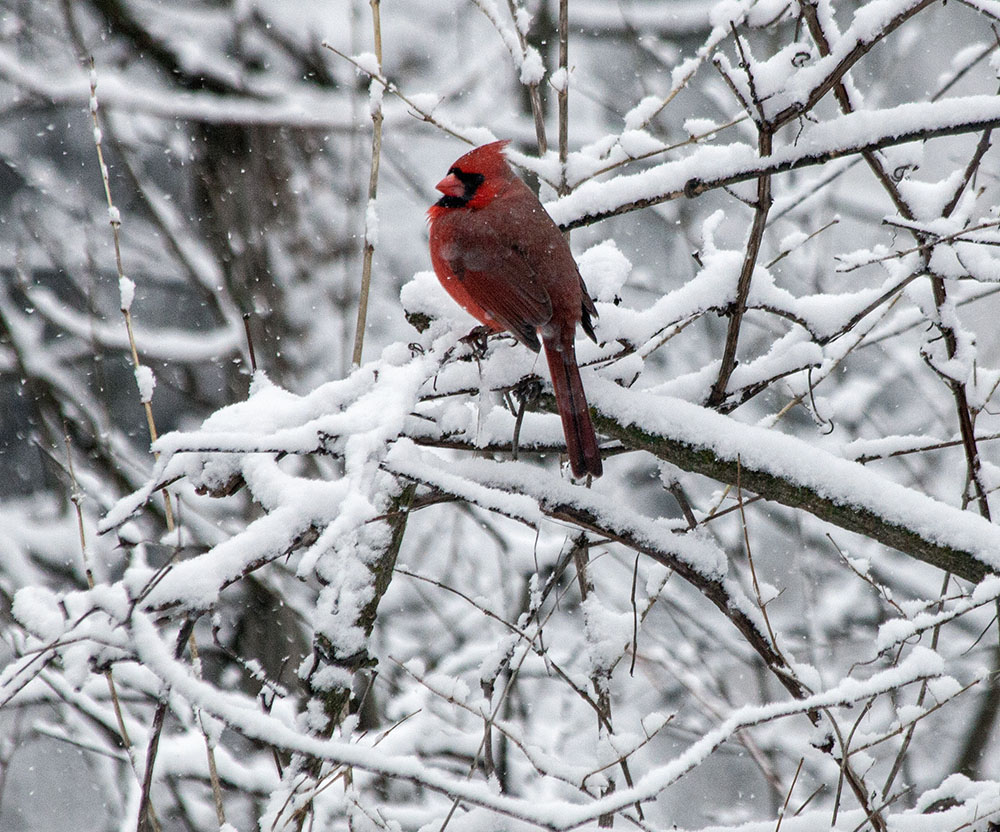
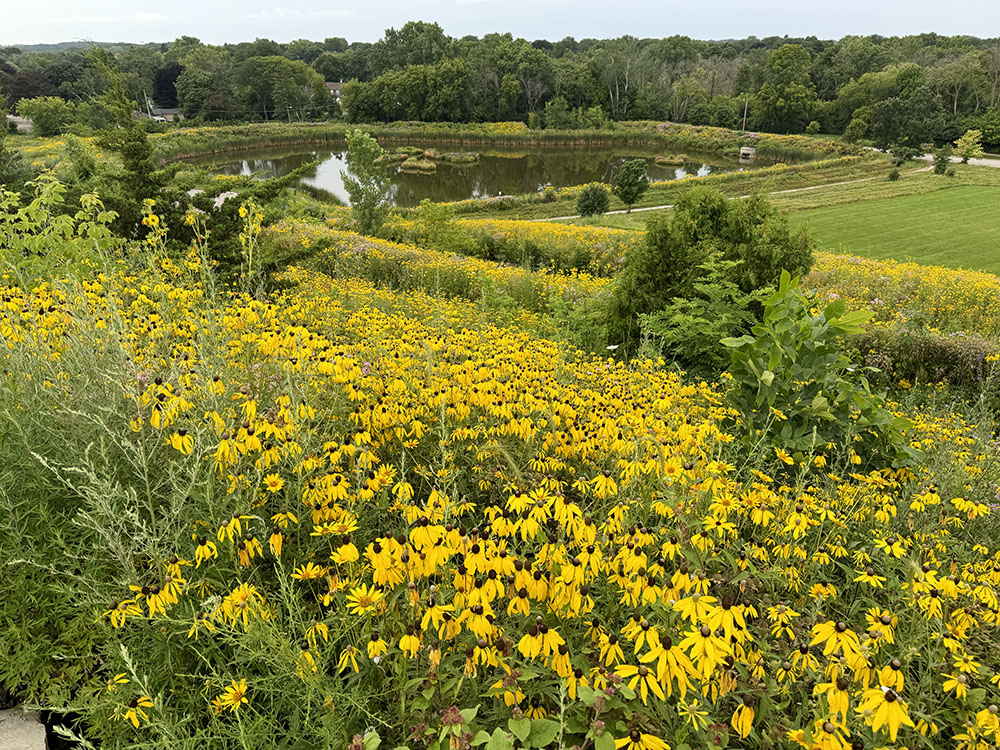
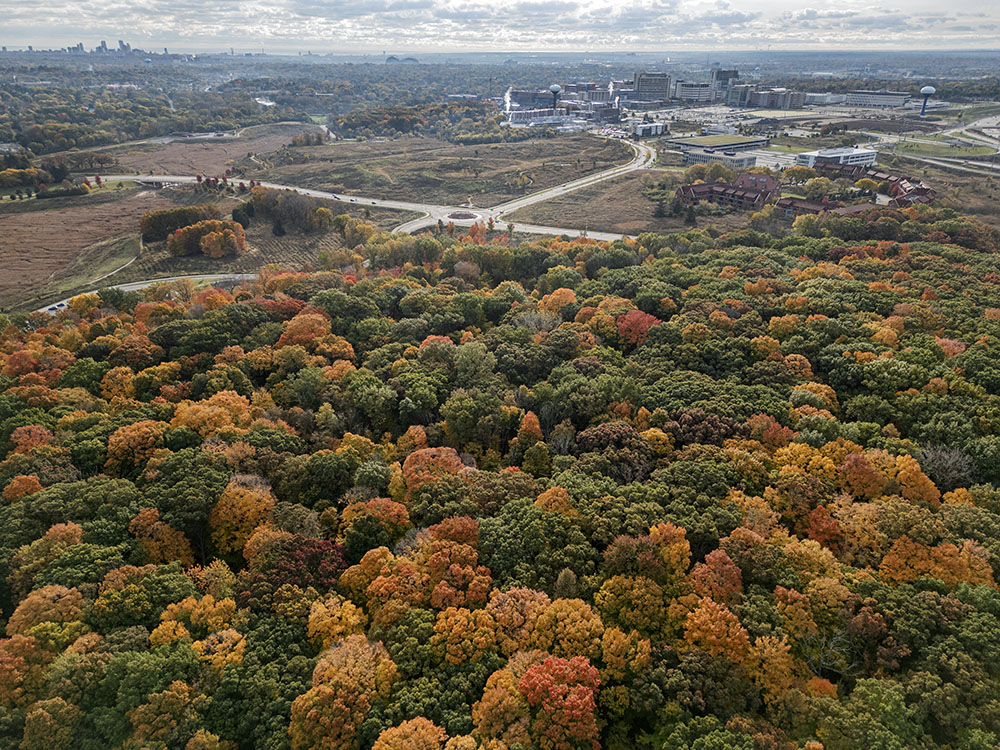
First up is protecting habitat. A center piece of this category was Wauwatosa’s approval of the Life Sciences District Master Plan in 2018. This protects 500 acres of County Grounds green space from development, including the 55 acres known as Sanctuary Woods. Wauwatosa also chose a diverse selection of native plantings in its new Firefly Grove Park. A number of community organizations conduct annual weed outs to remove invasive species, including the Friends of Hoyt Park and Pool and the Friends of County Grounds Park. A newer grassroots initiative, Tosa Wildlife Habitat, is attempting to have the city certified as a National Wildlife Community by certifying 250 individual properties, which would be the first community in Milwaukee County to achieve this recognition; only 73 properties to go! And Wauwatosa has been awarded Tree City USA status for 43 years.
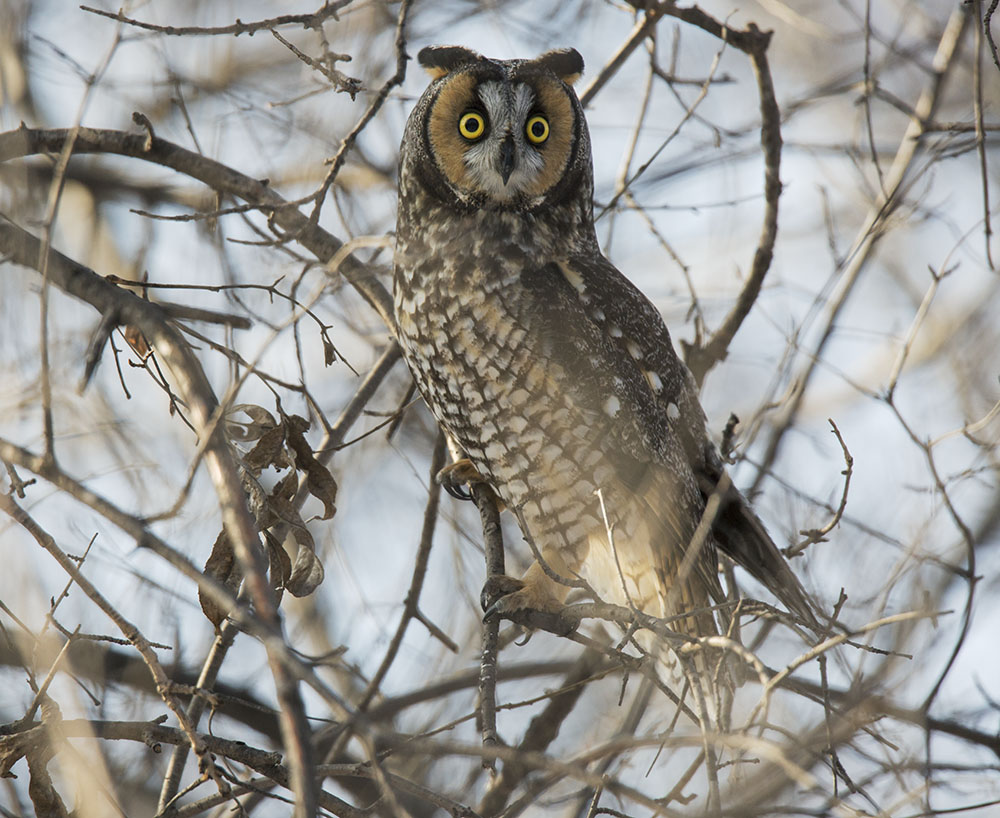
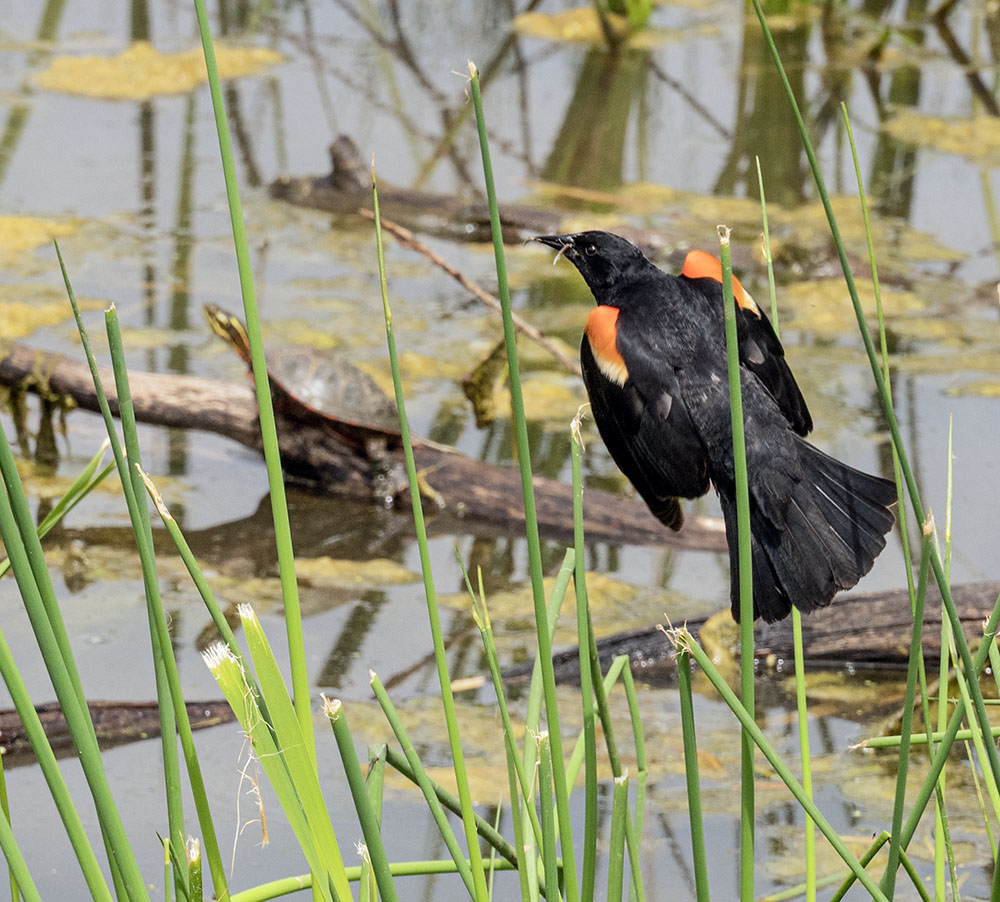
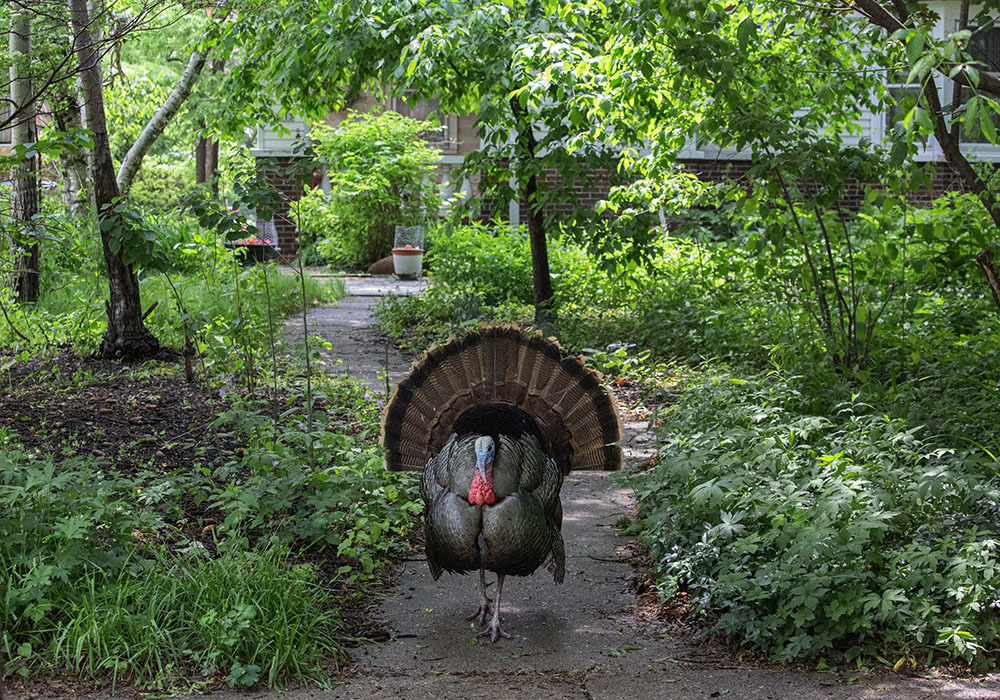
Next is threats to birds. Wauwatosa has an ordinance that addresses the regulation of animals, including cats, an obvious major threat to birds. For example, animals are not allowed to be at large or abandoned and there are defined procedures to follow when this occurs. In addition, Wauwatosa forestry practices many of the principles associated with integrated pest management, including the use of natural pest control.
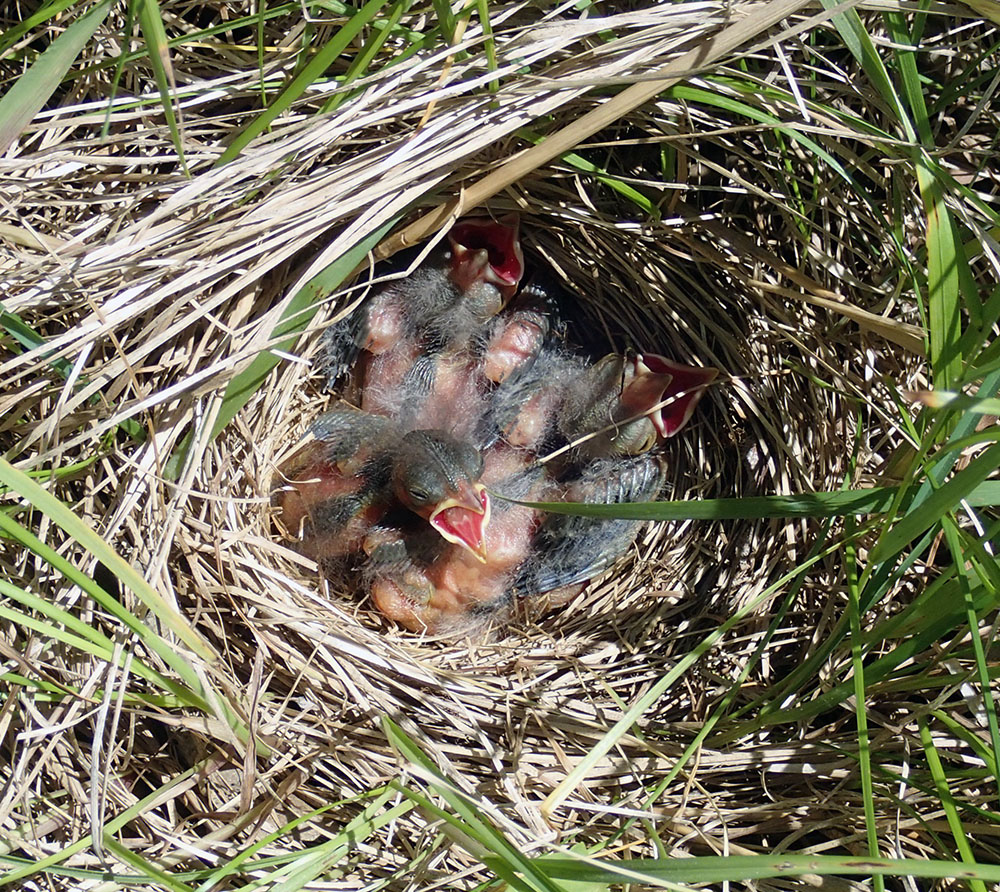
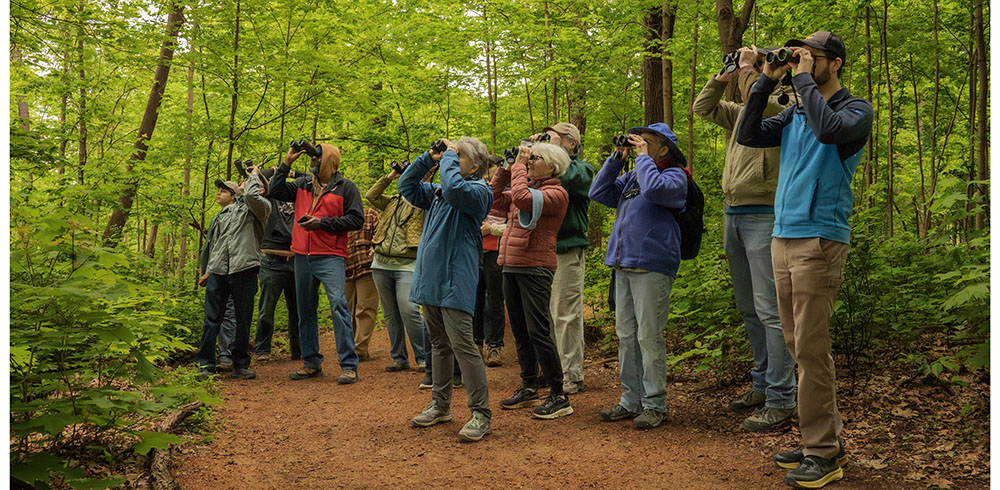
Third is education and engagement. A mandatory Bird City requirement is to hold an event to celebrate World Migratory Bird Day. For the past six years, Wauwatosa has hosted Bird Tours at venues such as the Forest Exploration Center (FEC) and County Grounds Park. This year’s celebration was held on May 23 at the FEC led by author and renowned birder Chuck Hagner, and attended by 25 bird enthusiasts. The FEC has a one-mile nature trail complete with educational signage. For 15 years, Wauwatosa volunteers have conducted the Tosa Green Summit, a two-day event to focus on being green and sustainable, including recycling collections. Several Wauwatosa Schools have green teams that focus on initiatives such as composting and the library has youth programs that focus on nature and conservation, including cattail critters and aquatic animal rescue. Finally, another mandatory requirement is for the Common Council to approve a resolution supporting World Migratory Bird Day, which is done enthusiastically.
Lastly is sustainability. Wauwatosa has an active and engaged Sustainability Committee which has set aggressive environmental and renewable energy goals; for example, reducing municipal emissions to 50% of 2010 levels by 2030, and becoming carbon neutral by 2050. Wauwatosa is nearing completion of the conversion of all streetlights to LED and having solar panels on all municipal buildings, with significant energy saving results. Wauwatosa has been recognized as a Green Tier Legacy Community. Wauwatosa is a leading Milwaukee suburb in implementing innovative biking solutions, with an active Bike and Pedestrian Plan and Committee, 20 miles of Bike Lanes, and 20 Bublr Bike Sharing Stations.
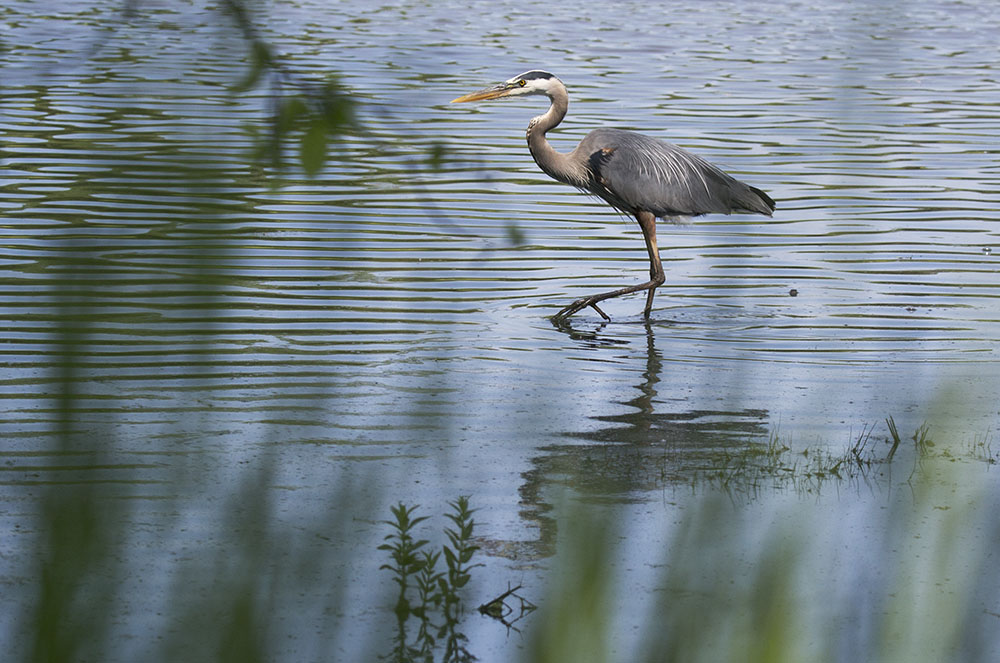
All of the above accomplishments equate to 33 points on the Bird City scoring system, with a minimum of 22 points required to achieve High Flyer status. Wauwatosa is one of 86 communities and counties in Wisconsin recognized as Bird cities, half of whom are High Flyers. Congratulations to Wauwatosa and the hundreds of volunteers and organizations who have made this possible. Thank you from the thousands of people you have reached and the millions of birds you protect.
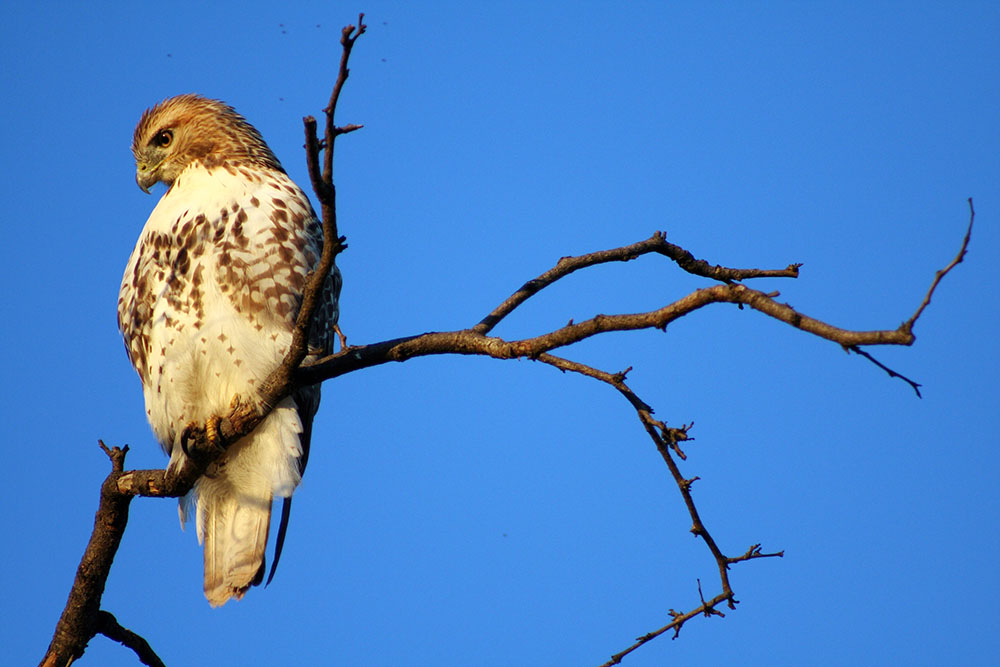
But the work is not finished! We need to do more to keep our lights off and skies dark when the birds are migrating at night. And we need to consider bird friendly building ordinances, like Madison has, to limit the collisions of birds with buildings. I challenge all of us to make Wauwatosa, and all communities, to become even higher flyer Bird Cities.
Related stories:
Respectful Lenses: Tips for Ethical Wildlife Photography
Bird Banding at Riveredge Provides Critical Scientific Data
Jackson Park, a birding paradise, launches a new Friends Group
Witnessing Owl Banding in the Wild!
‘Welcome All to the Forest’ (Forest Exploration Center)
The magic of the monarchs (The Monarch Trail on the Milwaukee County Grounds)
Jeff Roznowski is a former Wauwatosa Alderman and current Coordinator for Wauwatosa Bird City and the Wauwatosa Green Summit.
Eddee Daniel, writer/photographer, is a board member of Friends of County Grounds Park, a team member of Tosa Wildlife Habitat, a board member of Preserve Our Parks, the Program Director of A Wealth of Nature, and editor of The Natural Realm blog–as well as a resident of Wauwatosa.
The Natural Realm blog is part of A Wealth of Nature, which is a project of Preserve Our Parks.
About Preserve Our Parks
Preserve Our Parks, Inc. is an independent nonprofit organization dedicated to the preservation of parks and green spaces. Our mission: To advocate for and promote Milwaukee area parks and open spaces and to strive to protect the tenets of Wisconsin’s Public Trust Doctrine.
For more than 25 years, we have been a leader in advocating for the protection of Milwaukee County park lands, halting many proposals to develop, privatize, or sell local parkland and lakefront spaces. More information about POP, including past accomplishments, is available at www.preserveourparks.org.