

Milwaukee ranks in the top 20 nationally for urban parks!
February 16, 2026 | Topics: Places, Spotlight
By Eddee Daniel
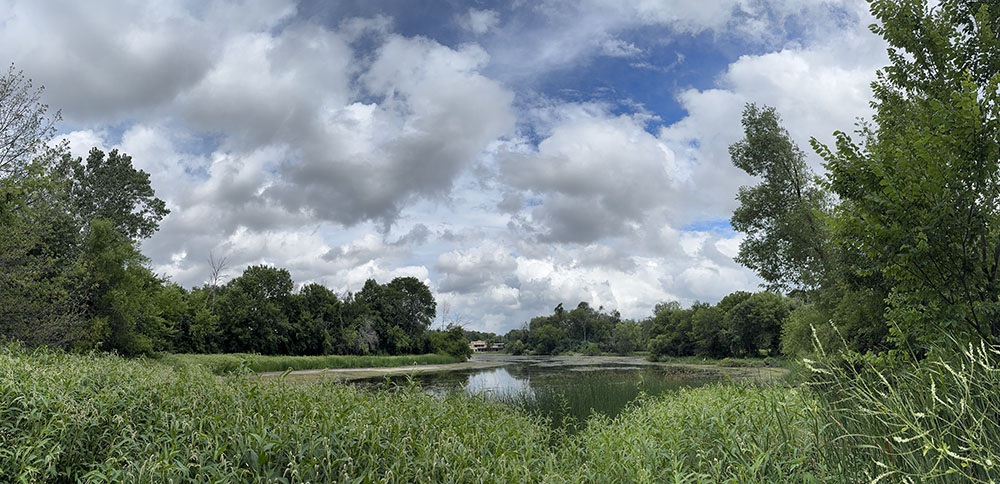
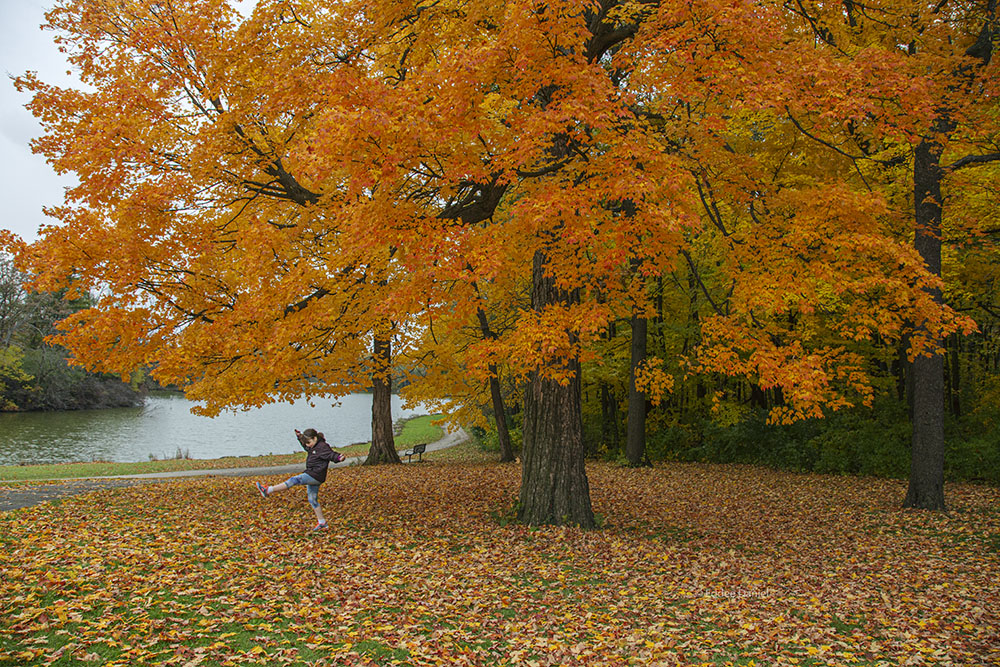
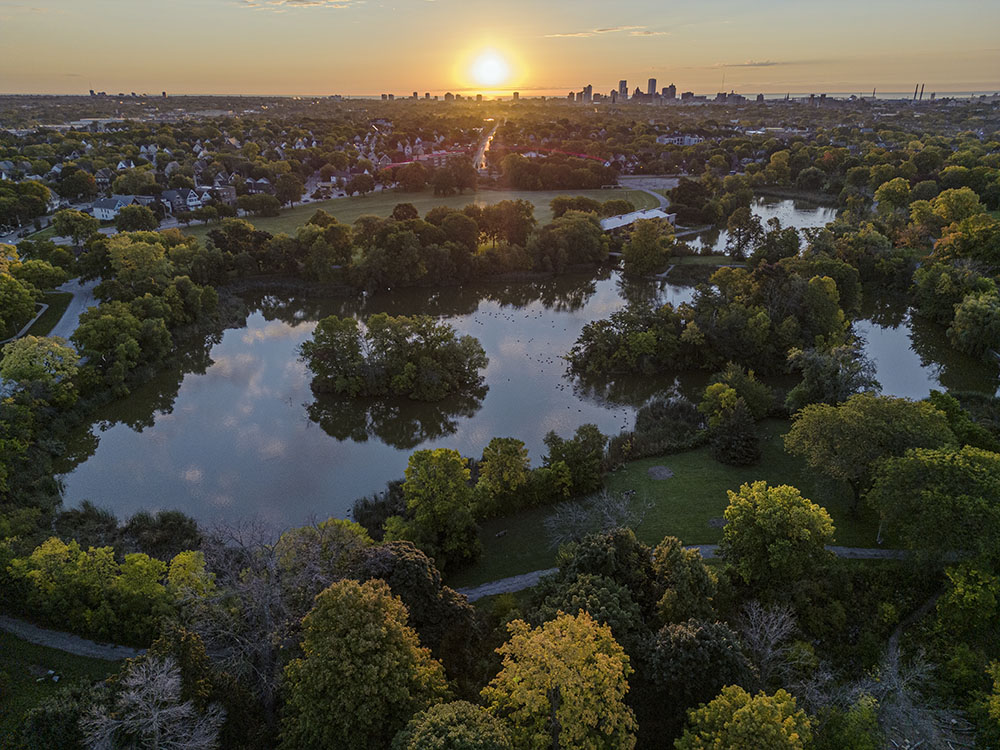
When you see the scene above what kind of location comes to mind? If it makes you think “Milwaukee” you are right on. But I wouldn’t be surprised if it doesn’t suggest an urban setting. I often try to make photos of our local parks that appear to be taken far from their urban origins. This isn’t as difficult as you might think, which is a testament to the natural beauty that can be found throughout the City of Milwaukee (as well as the surrounding region). That photo is from Wilson Park, near the intersection of Howard Ave. and S. 20th Street. Its 76.7 acres are surrounded by the urban street grid, a couple blocks from I-94, and close by Mitchell International Airport.
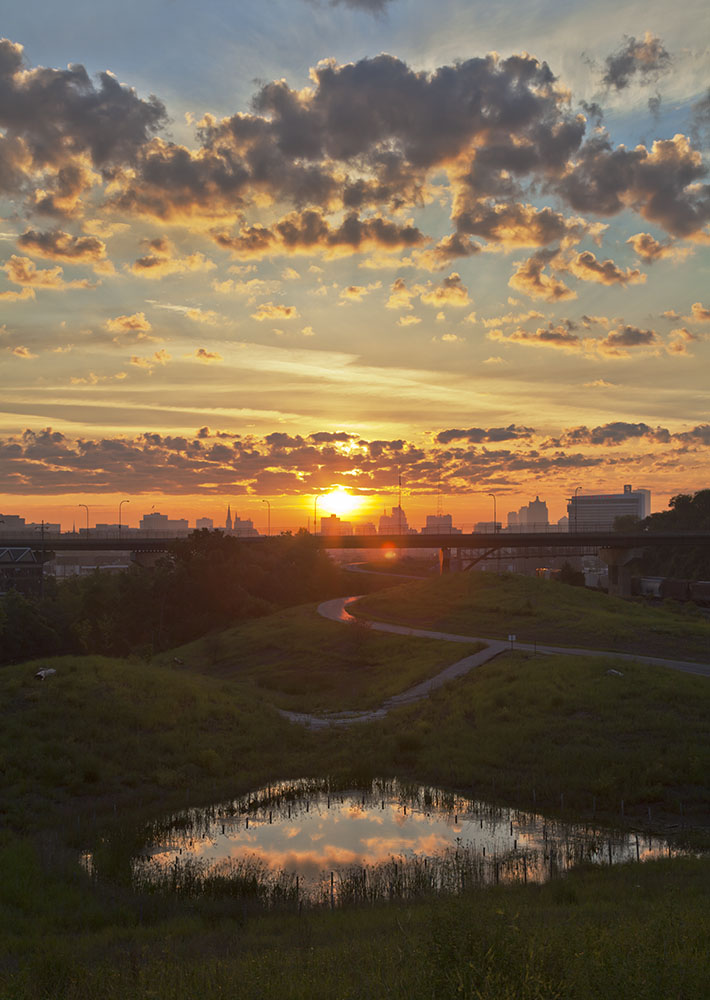
Turns out that Milwaukee is recognized nationally for its parks. The Trust for Public Land, a national nonprofit organization, annually ranks the quality of parks in the 100 largest cities in the US. In 2025 Milwaukee ranked 18th out of 100, which was up three points from 2024. That ranking is based on a ParkScore index that measures each city according to five categories the organization considers reflective of an excellent park system: acreage, access, investment, amenities, and equity.
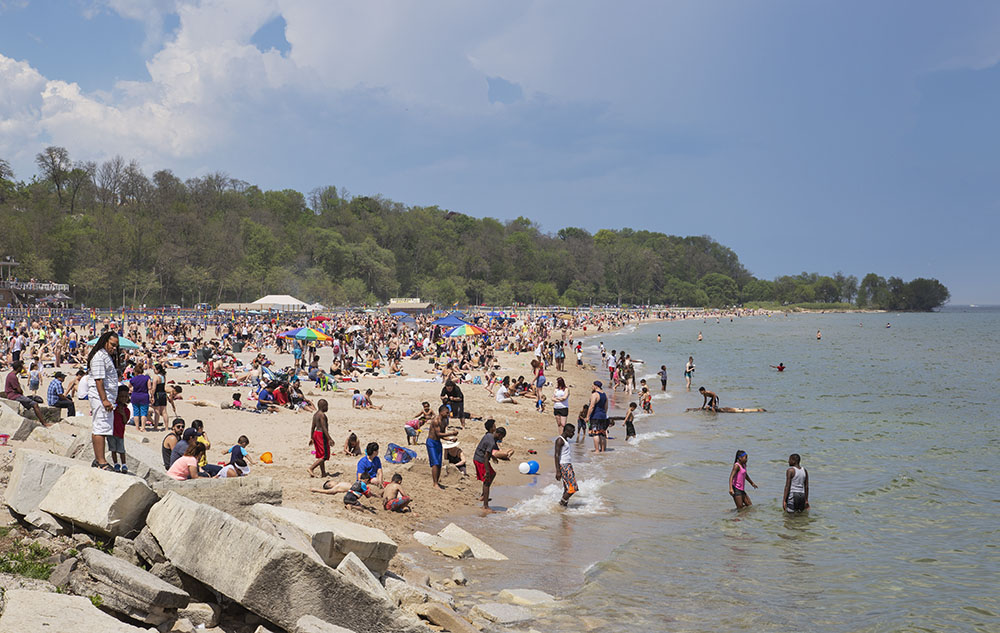
The City of Milwaukee’s official map identifies 53 city-owned and maintained parks. Added to these are the many county parks located within the city. Most of the images that illustrate this story are from county parks, which tend to be larger. (But all are located within the City of Milwaukee.) I was surprised to learn from the ParkScore index, however, that the total acreage of park land in Milwaukee is the weakest of the five categories. Out of the largest 100 cities, “Milwaukee scores about average on the percentage of the city’s overall area that is dedicated to parkland (44 out of 100 points), and below average on median park size (35 out of 100 points).”
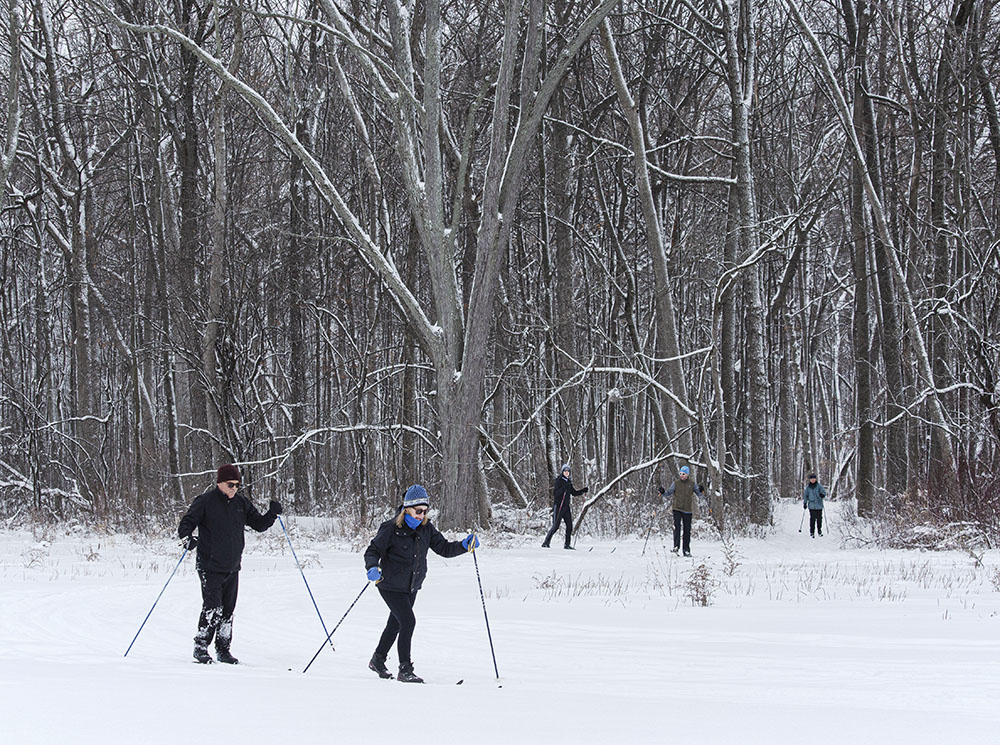
The strongest of the five categories is access. The access score measures the percentage of a city’s residents that live within a walkable half-mile of a park. “With 95% of its population living this close to a park, Milwaukee scores among the highest in this category.” I suspect that the large number of small parks helps boost this category. Milwaukee has relatively few large destination parks—meaning they draw visitors from well outside the walkable half-mile range. Think Mitchell Park Domes and Milwaukee County Zoo. The Milwaukee River Greenway is in a category of its own, it seems to me. It is almost 900 acres, but is comprised of twelve smaller contiguous parks.
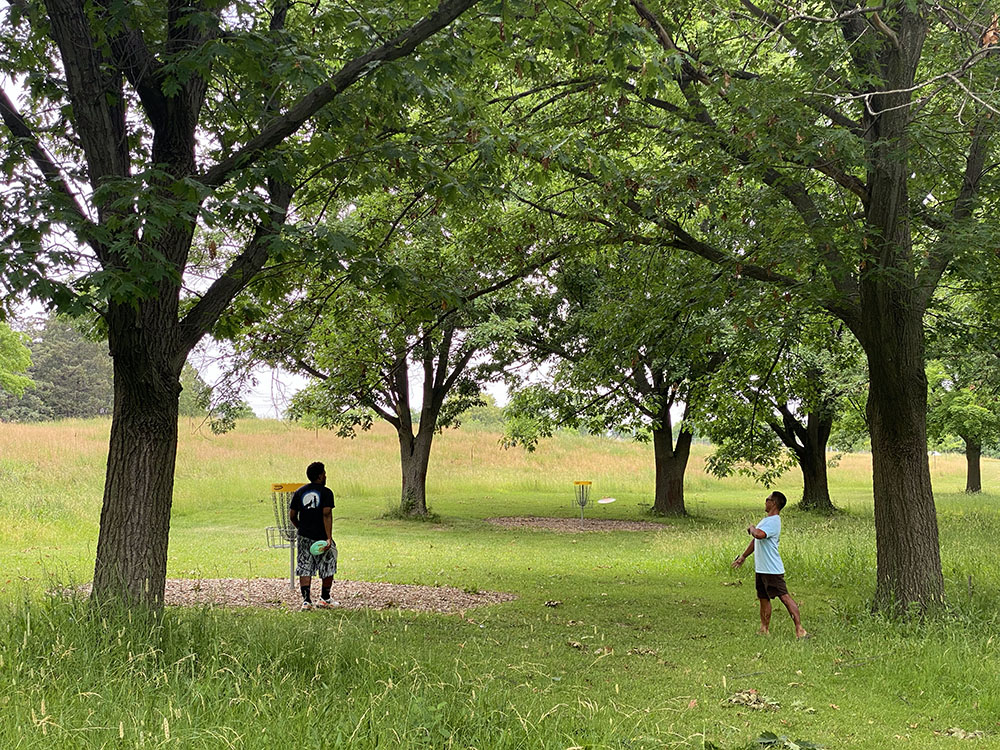
The downside of the preponderance of small neighborhood parks within walking distance is indicated by a relatively low equity score. The equity score indicates the “fairness in the distribution of parks and park space between neighborhoods by race and income.” While the access measure shows that people of color and low-income alike scored 94 out of 100 on access, there is a substantial difference between the size of the parks in low-income neighborhoods compared with higher income neighborhoods. Likewise for people of color who on average have 55% less park space per person than people in white neighborhoods.
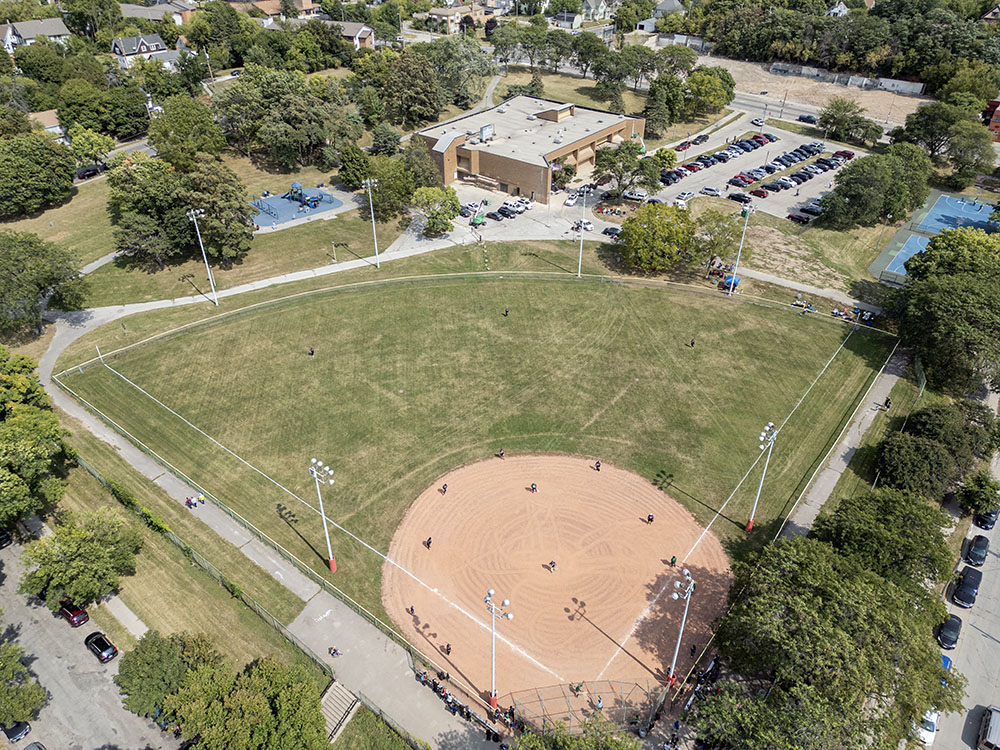
Milwaukee scores very high on amenities: 82 out of 100. This means that the city is well above average in providing basketball courts, playing fields, splash pads, playgrounds, restrooms, and the like. The high access score combined with the amenities score really helped drive up the overall ranking.
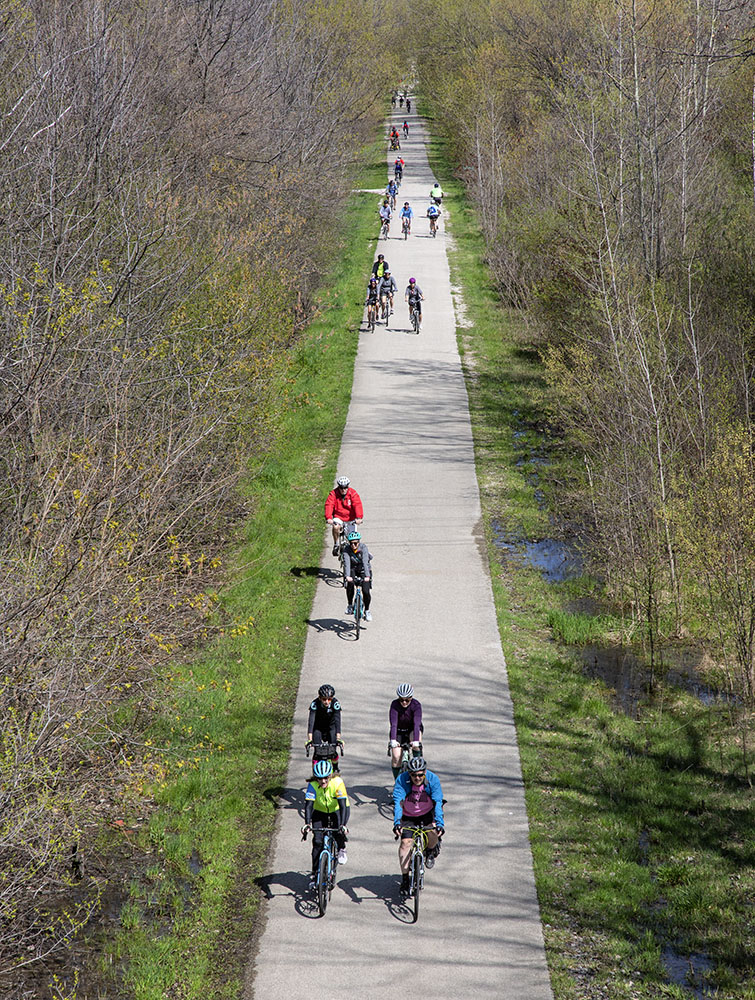
Then there’s the investment score. Surprisingly, I think, Milwaukee scored above average here, too. According to the ParkScore, Milwaukee spends a total of $188 per capita each year on publicly accessible parks and recreation for a score of 65 out of 100 (while the national average is $133). This is surprising because of the widely reported half-billion-dollar deficit that the Milwaukee County Parks have in capital funding needs. Not sure if the distinction is between city and county or something else in the computation of the score.
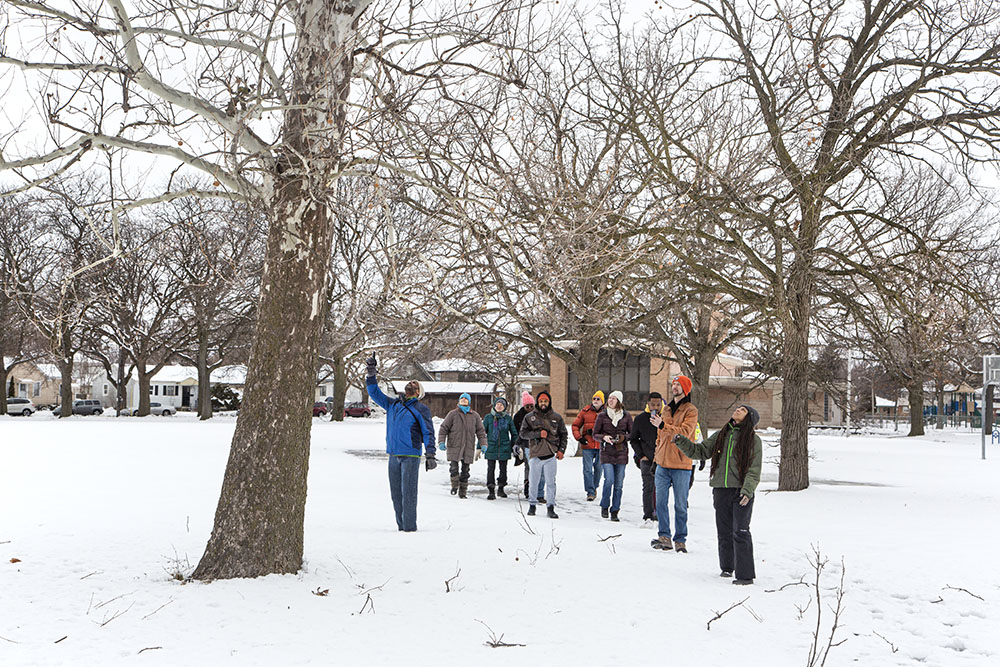
While I rarely single out the City of Milwaukee from Milwaukee County and even the surrounding counties, I have long considered our region to be blessed with an abundance of high-quality park land and natural spaces. This blog is part of a project entitled “A Wealth of Nature” for that express reason. Access is central to this notion, as it is for the ParkScore. We all need access to the outdoors, not only for our health and the recreational opportunities they provide, but also to maintain a personal, intimate connection with the natural world. I know my own life is made richer by having a large neighborhood park with plenty of nature within walking distance.
Let’s celebrate being in the top 20 of US cities. But let’s also imagine where Milwaukee could be with a little more investment in equity and acreage!
* * * * *
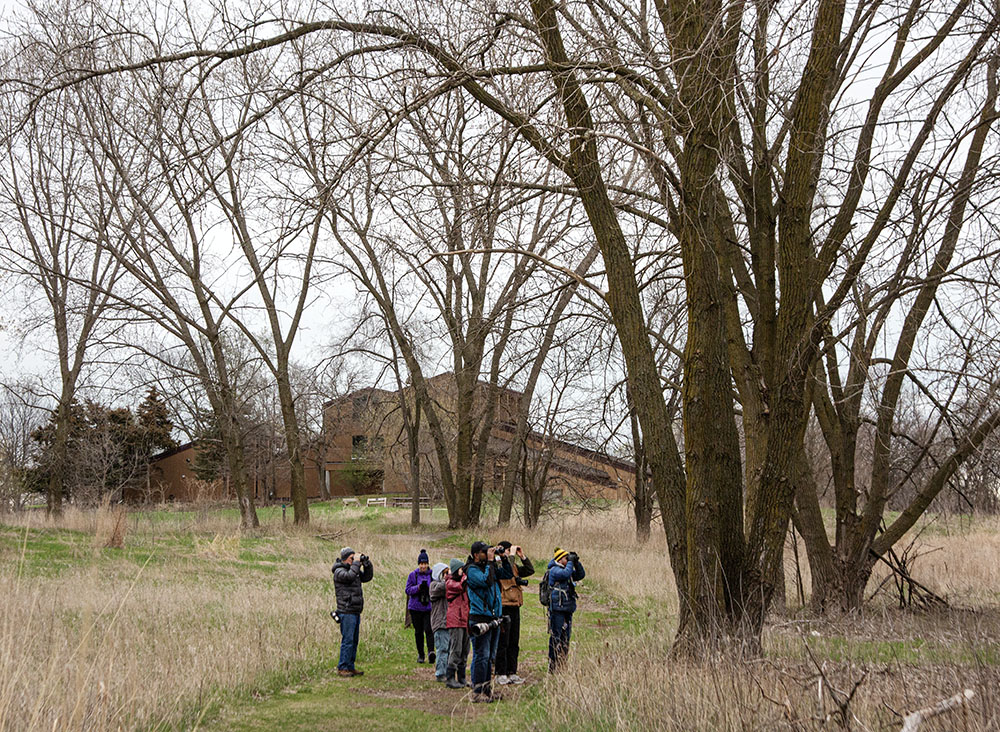
Please enjoy the selection of 25 parks from every corner of the City of Milwaukee included in the photos in mostly alphabetical order. They are a fraction of the total number of parks in the city.
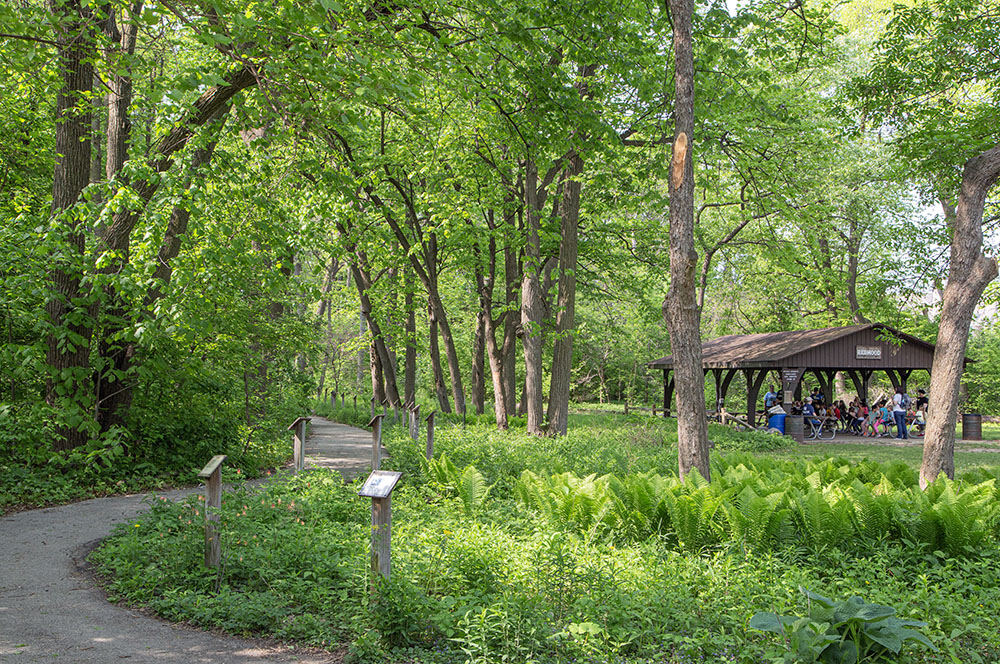
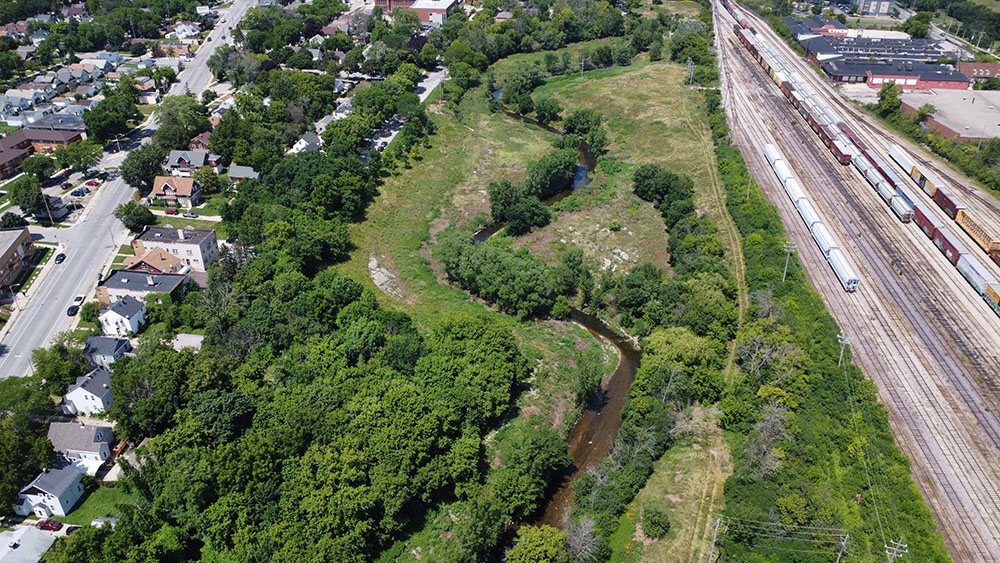
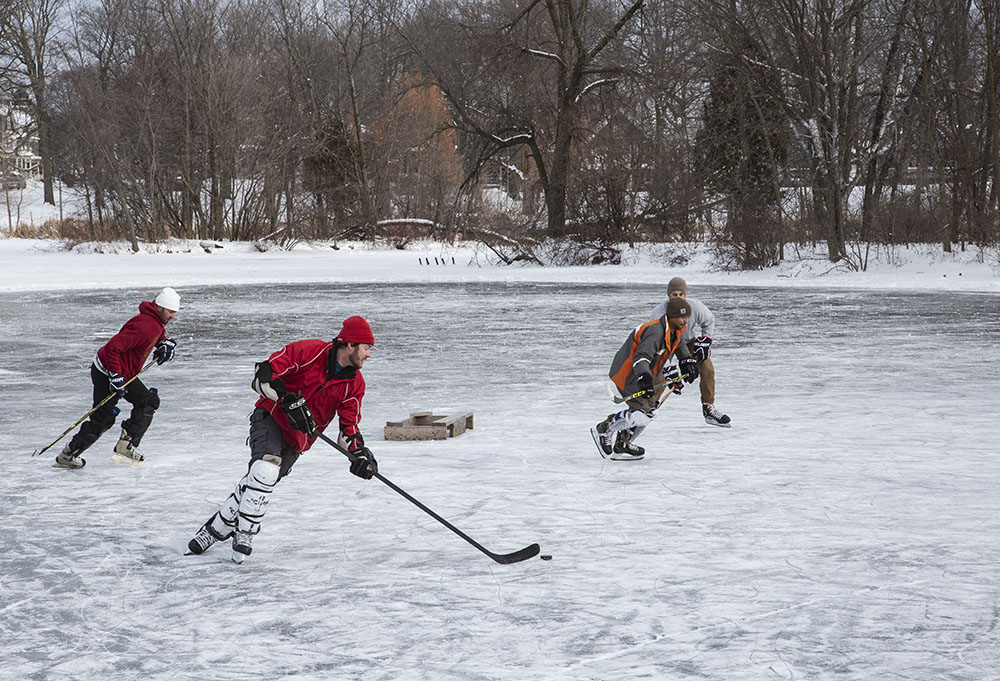
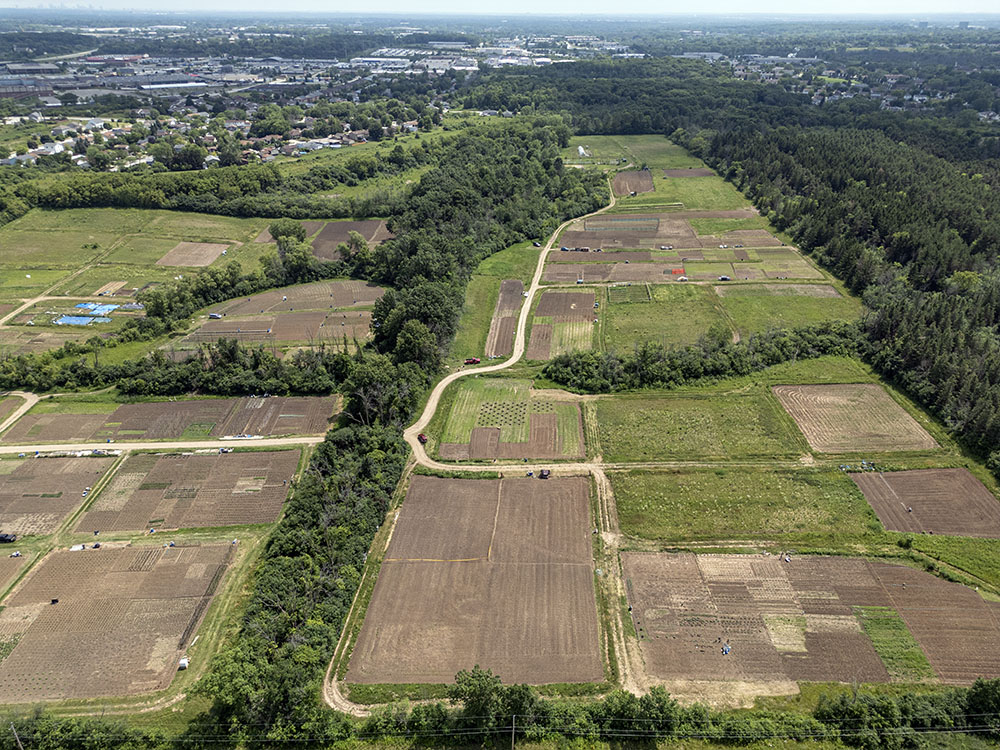
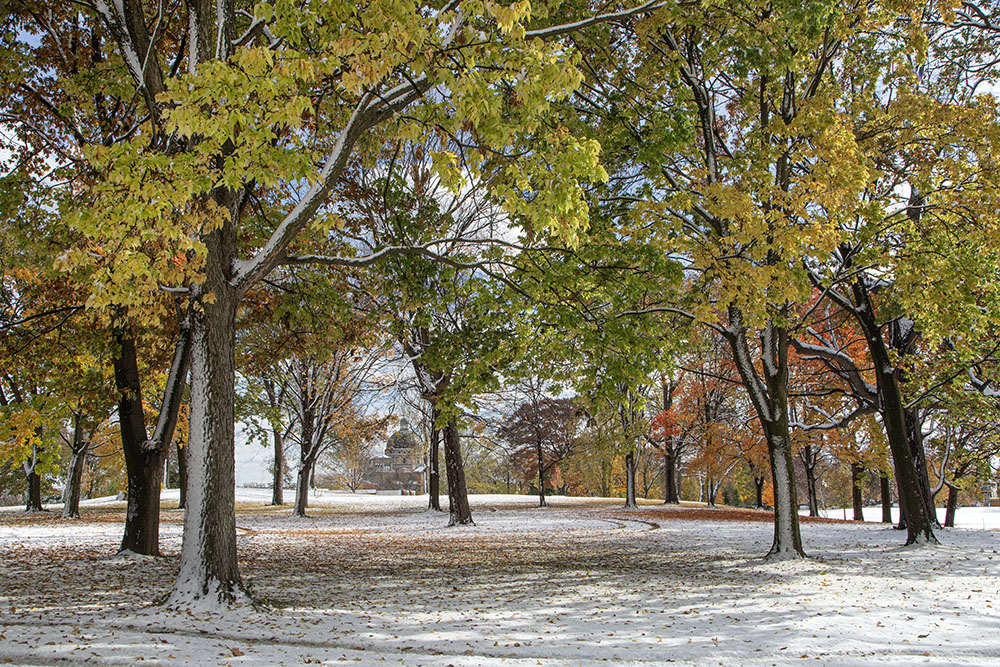
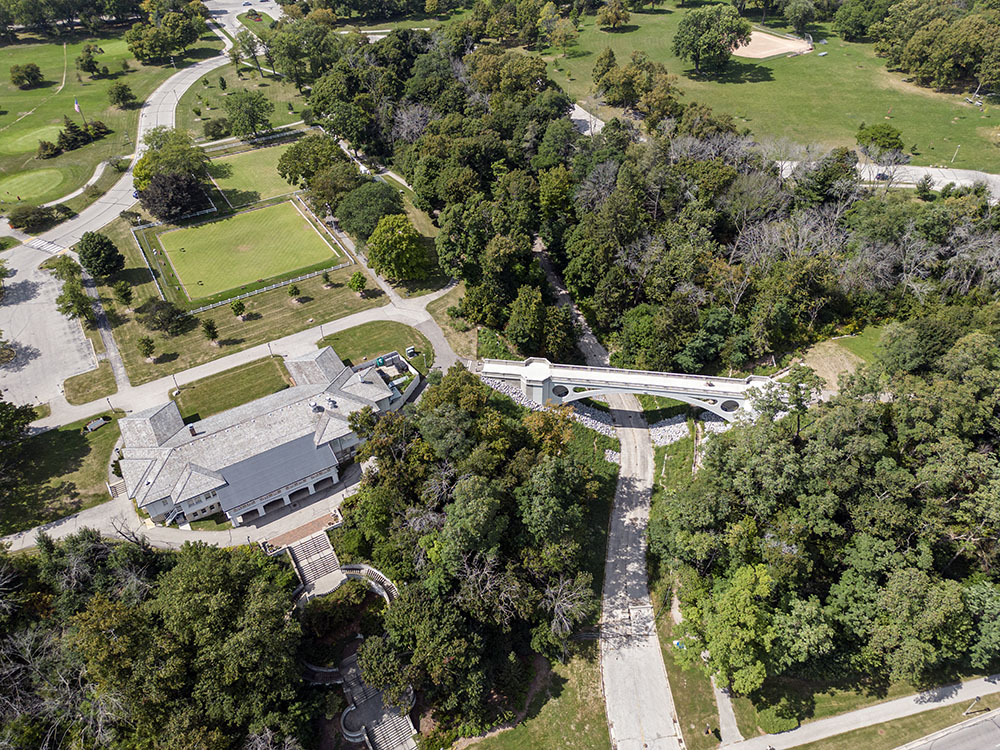
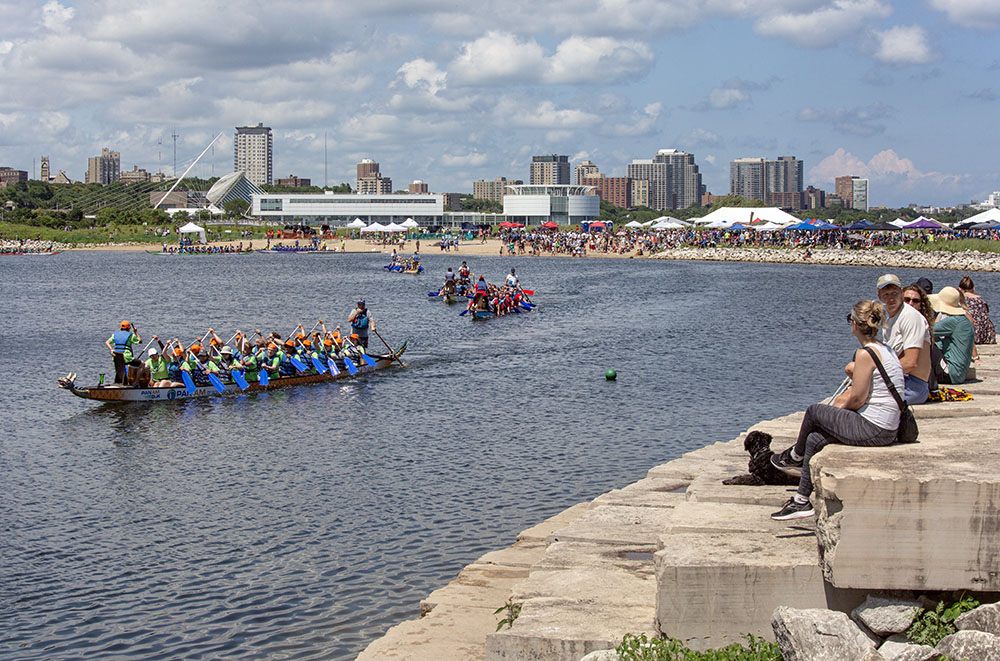
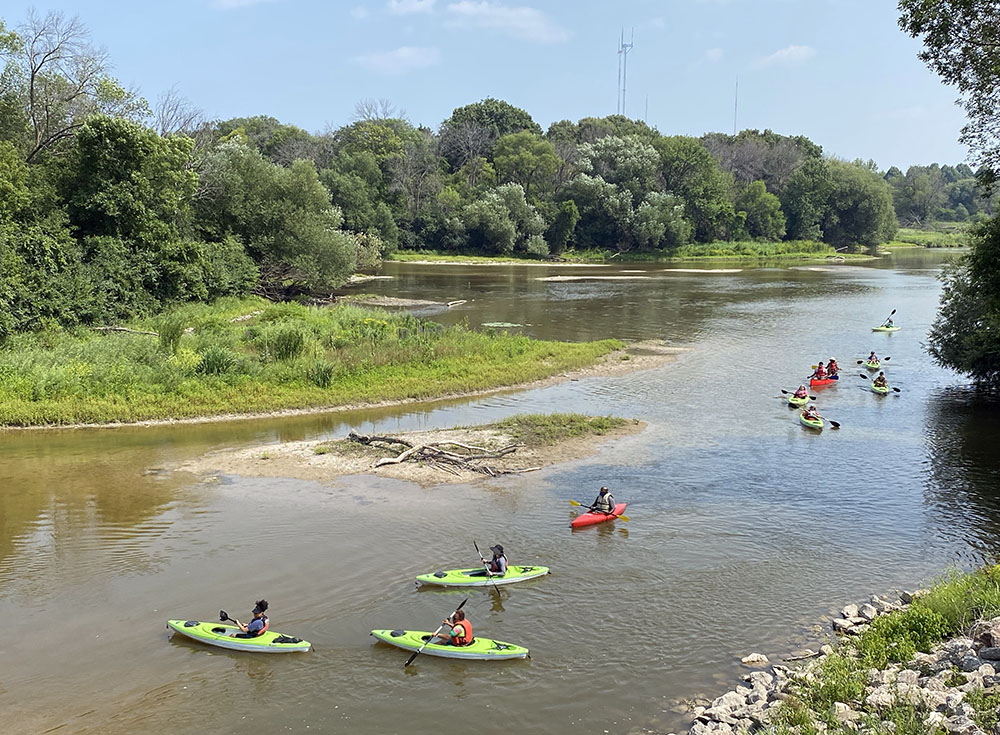
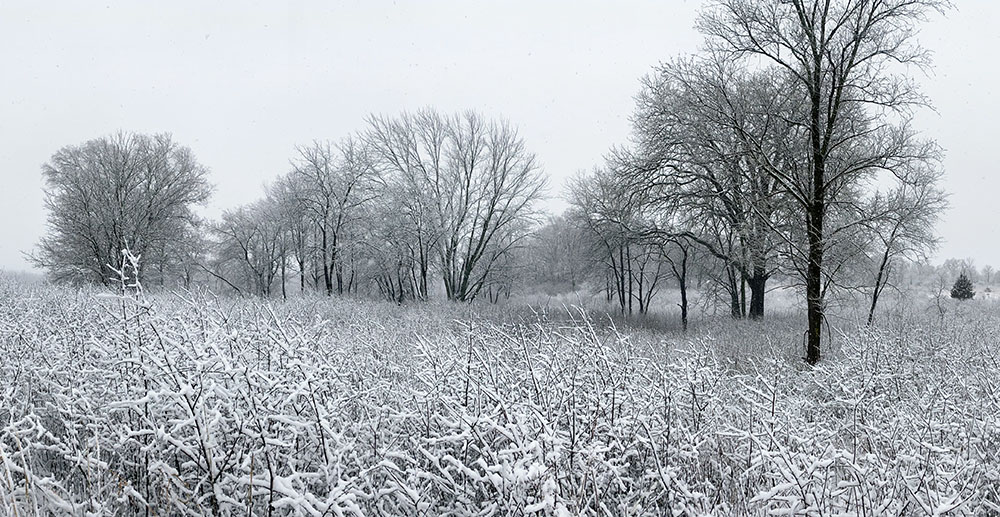
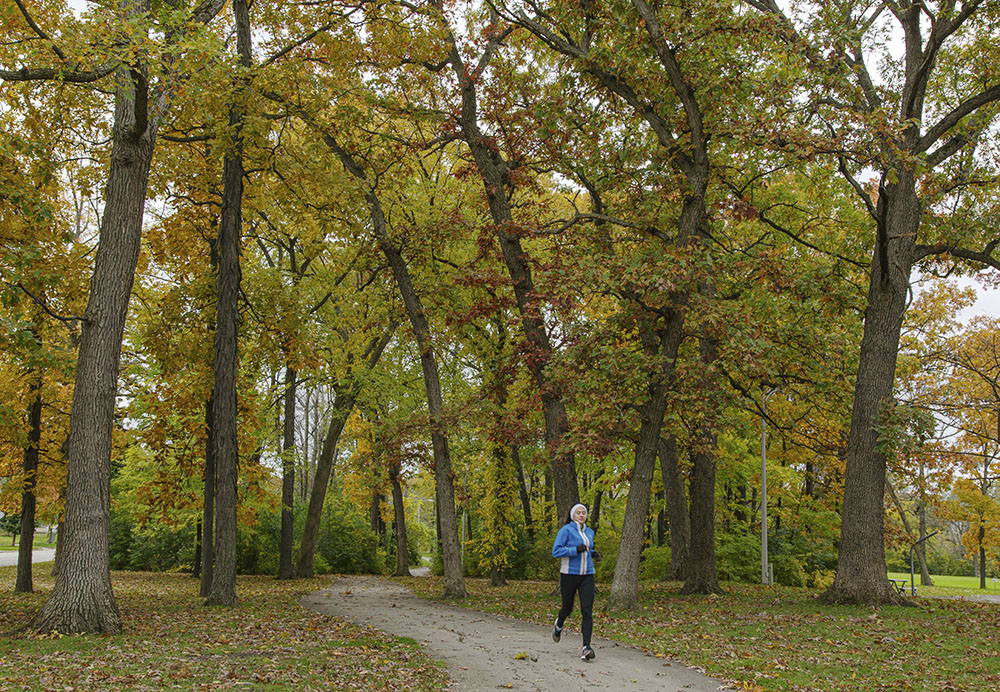
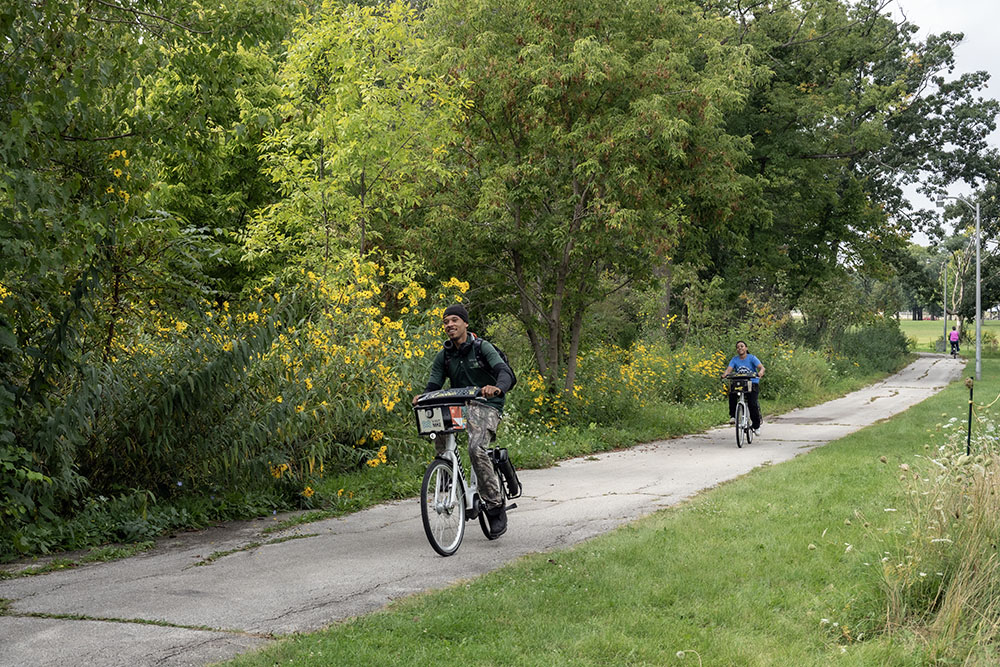
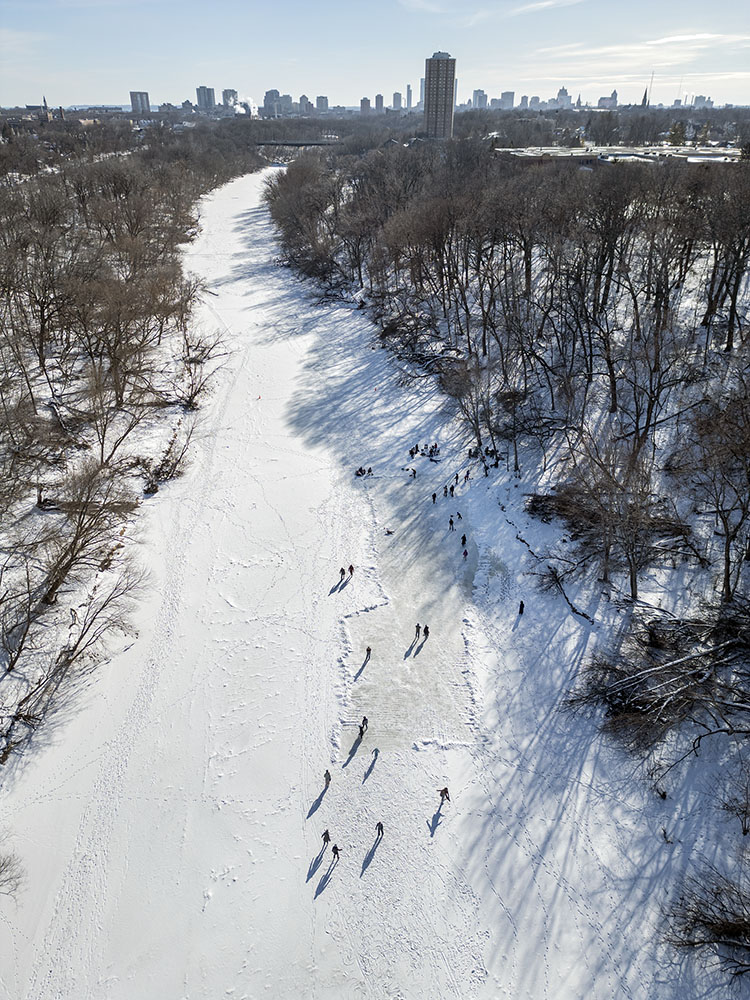
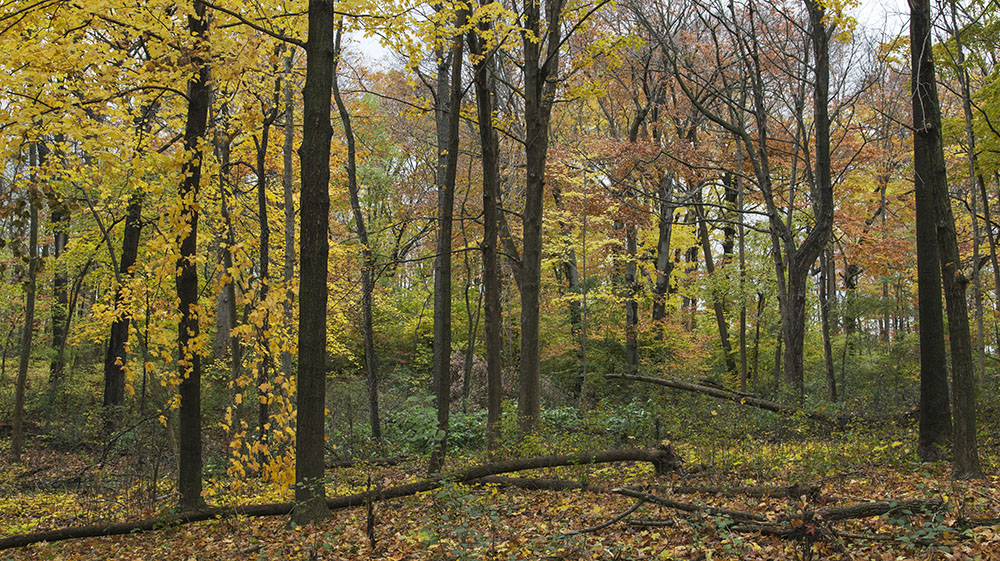
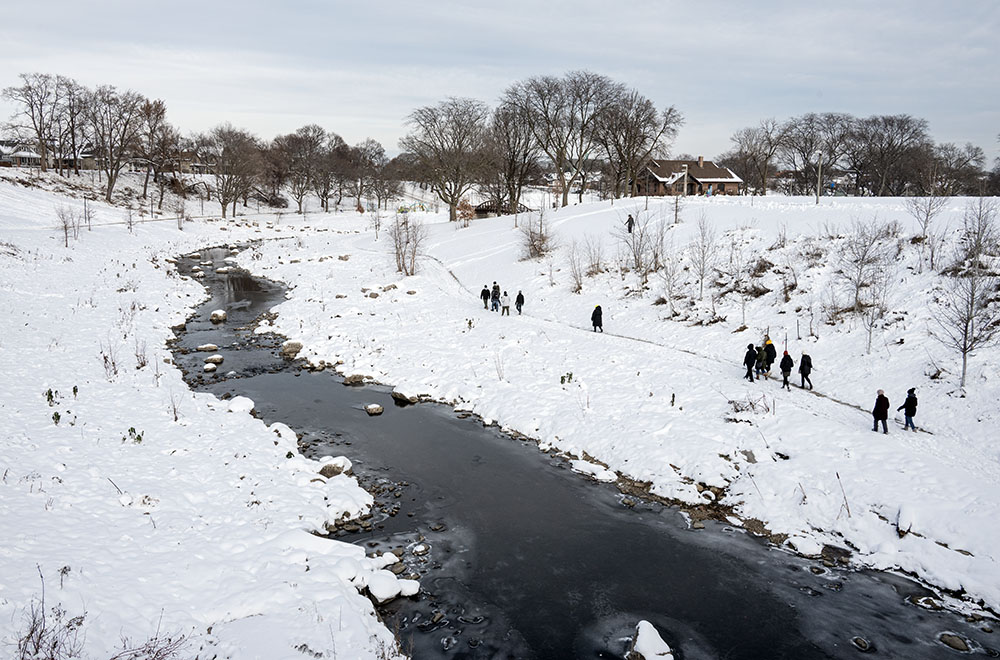
The facts in this story are derived from the Milwaukee page of the 2025 ParkScore Index on the Trust for Public Land website.
Note: Most of the parks in this story are listed on our Find-a-Park map—along with over 150 others in SE Wisconsin—with their own page and plenty of additional photos as well as links to further information. The links in the captions will take you there.
Related stories:
It’s Time to Give Milwaukee Parks the Funding Stability They Deserve
Seven Natural Wonders of Milwaukee
The State of Milwaukee’s Urban Forest
Protecting & Restoring Nature in the City
Eddee Daniel, writer/photographer, is a board member of Preserve Our Parks, the Project Director of A Wealth of Nature, and editor of The Natural Realm blog.
The Natural Realm blog is part of A Wealth of Nature, which is a project of Preserve Our Parks. The Natural Resources Foundation of Wisconsin is a project partner of A Wealth of Nature.
About Preserve Our Parks
Preserve Our Parks, Inc. is an independent nonprofit organization dedicated to the preservation of parks and green spaces. Our mission: To advocate for and promote Milwaukee area parks and open spaces and to strive to protect the tenets of Wisconsin’s Public Trust Doctrine.
For more than 25 years, we have been a leader in advocating for the protection of Milwaukee County park lands, halting many proposals to develop, privatize, or sell local parkland and lakefront spaces. More information about POP, including past accomplishments, is available at www.preserveourparks.org.
3 thoughts on "Milwaukee ranks in the top 20 nationally for urban parks!"
Comments are closed.
Thank you Eddee, wonderful reminder of the great parks we have in Milwaukee! Preserve Our Parks has undertaken a project to lead the entire community in discussions of how to save our parks that now suffer from 1/2 Billion in deficit Capital backlog. Stay tuned and involved!
All good examples in the photos, but: No mention of golf? Most famously, Brown Deer Golf Course where Tiger Woods started his professional career, but so many other great moments and golf options in our county park system!
Golf courses are definitely an important feature of the park system. Thanks for mentioning it. This is not an oversight. I just don’t have good photos of golfing. 😉